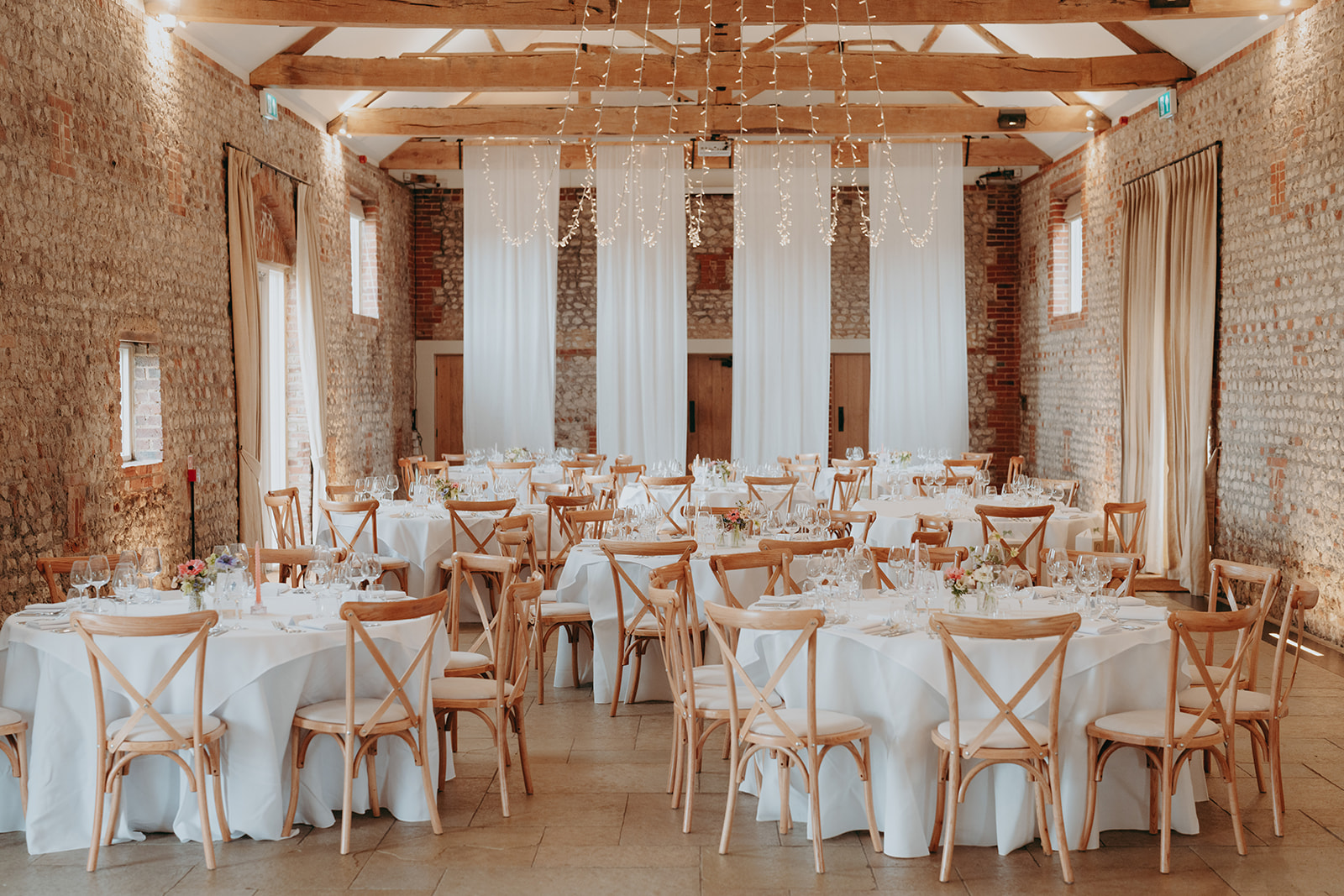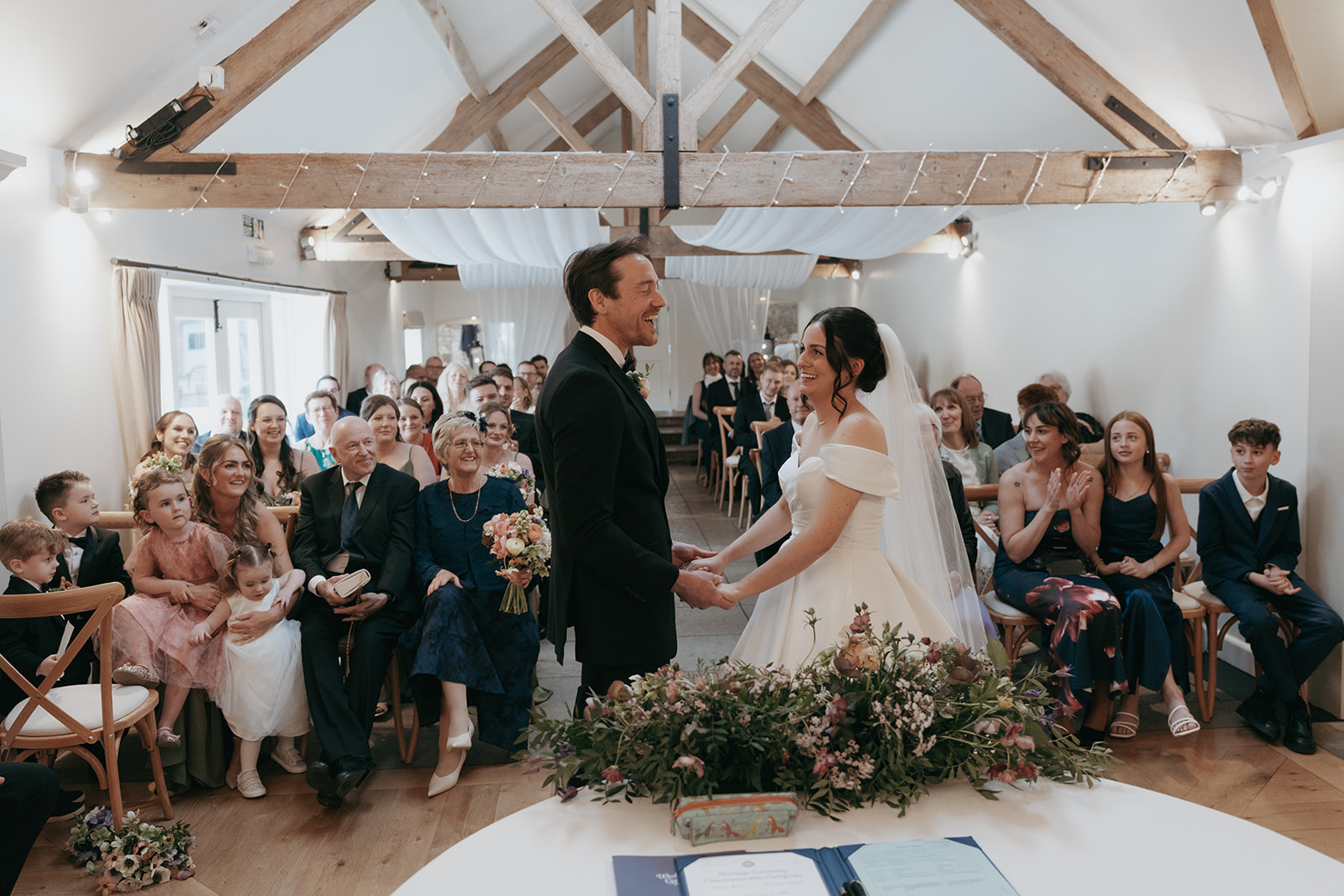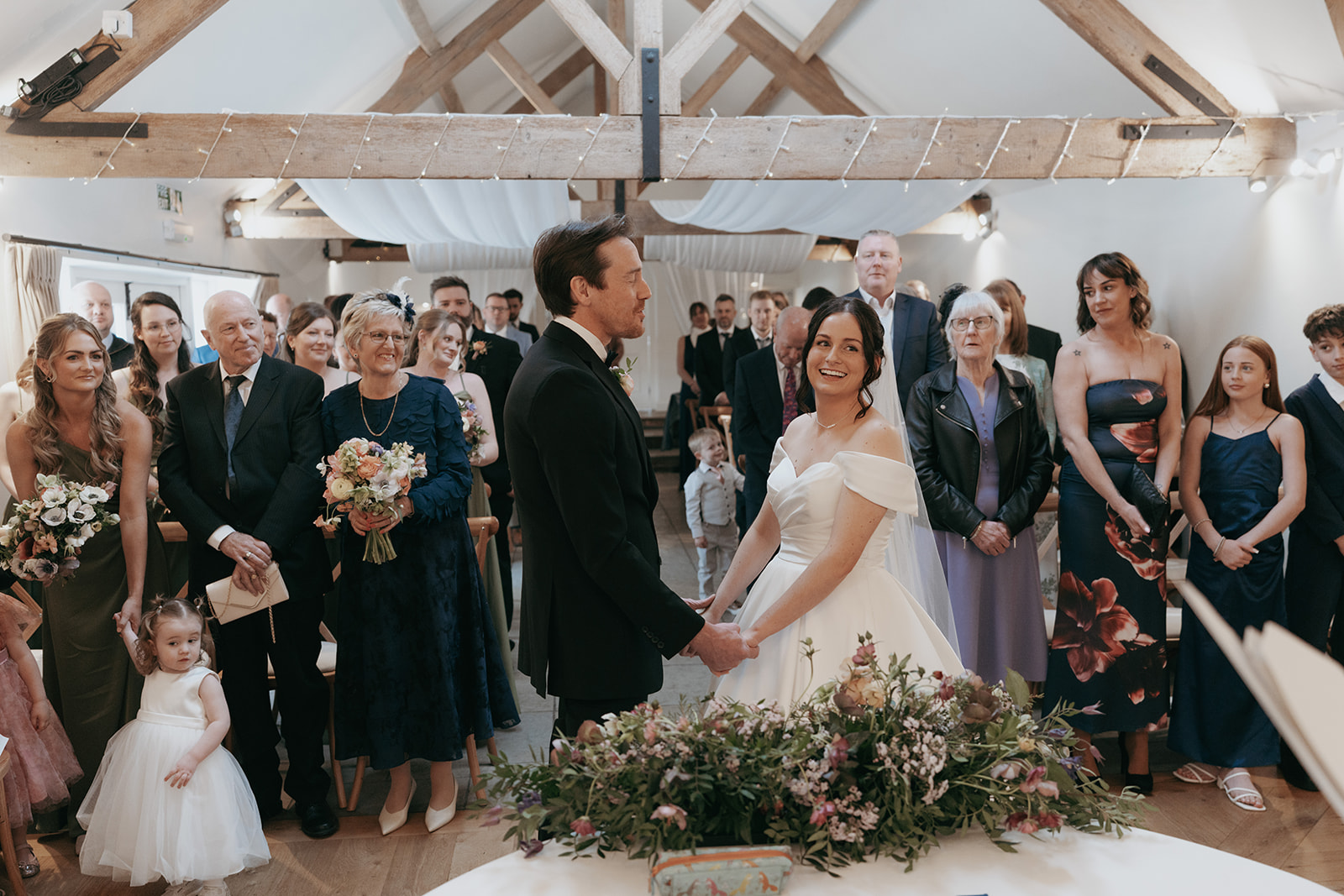
We pulled up to a farm in the Yorkshire Wolds one February morning, the fields still frosted and the sky doing that particular shade of pale grey that photographers either love or curse. The barn had been dressed overnight: candles lined the windowsills, dried pampas and eucalyptus hung from the rafters, and the whole place smelled of woodsmoke and something warm from the caterers' kitchen. The couple hadn't arrived yet. We walked the space, worked out our angles, figured out where the light would fall by 3pm. And standing there, in a centuries-old threshing barn in East Yorkshire, we thought: this is why barn wedding venues across England keep filling their diaries years in advance.
If you're planning a wedding and the word "rustic" keeps appearing on your Pinterest boards, you're not alone. Barn and farmhouse venues have held their place at the top of UK couples' wish lists for well over a decade now, and the reasons are worth understanding properly before you start booking tours.
Why Barn Wedding Venues in England Are So Hard to Resist
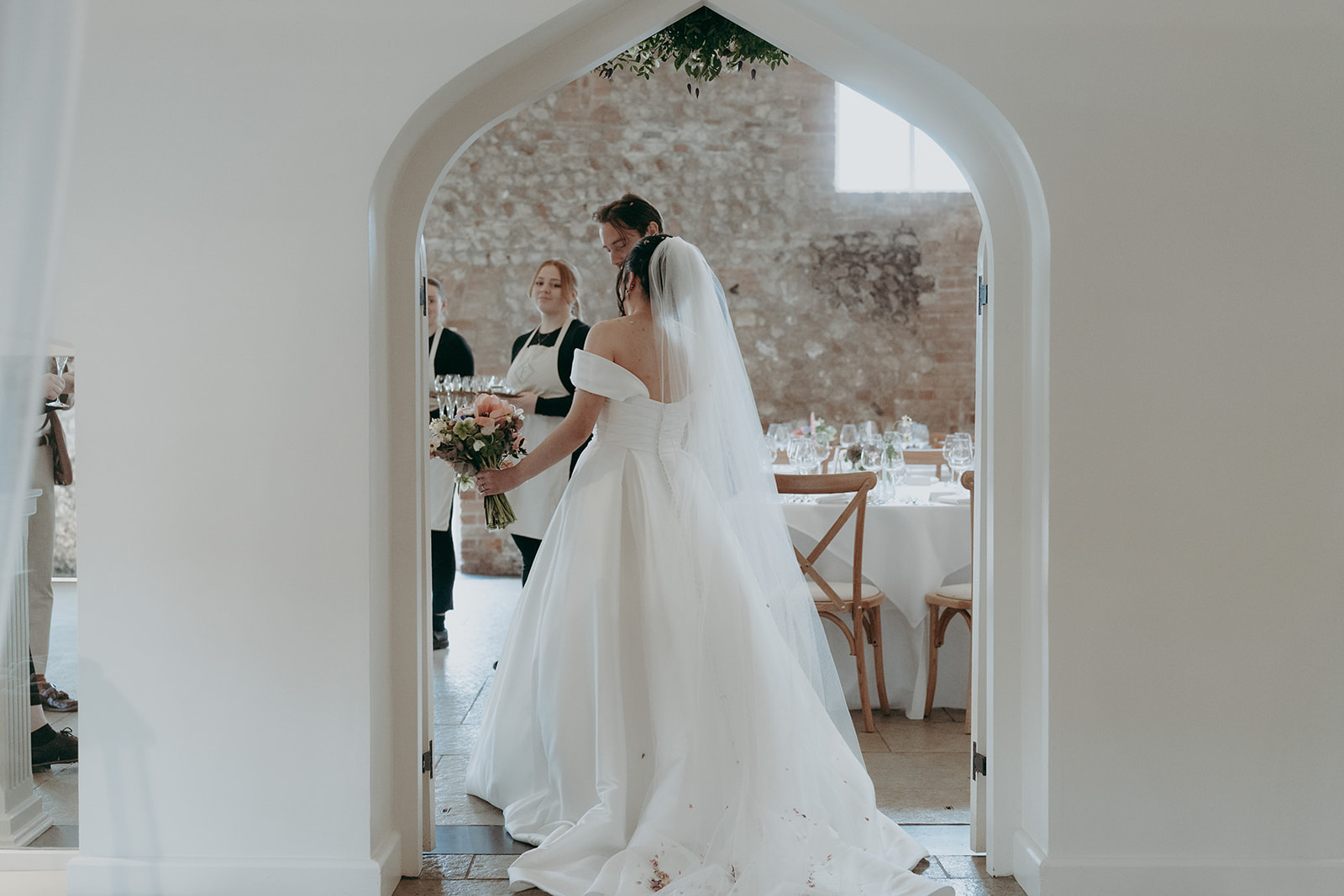
Part of it is the light. Barn conversions, done well, offer something no hotel ballroom can: raw, unfiltered natural light pouring through original openings, bouncing off old stone, filtered through dust motes in a way that makes every photograph feel like it belongs in a film. We've shot in hundreds of venues across England and nothing quite replicates what you get at golden hour inside a good barn.
But it's also the freedom. Most barn venues are licensed for outdoor ceremonies, allow you to bring in your own caterers, and have no hard curfew (or a later one than a city hotel). They tend to sit within enough land that you can do portraits in a wildflower meadow, a woodland, an orchard, or a courtyard, all without leaving the property. That variety is gold for us behind the lens.
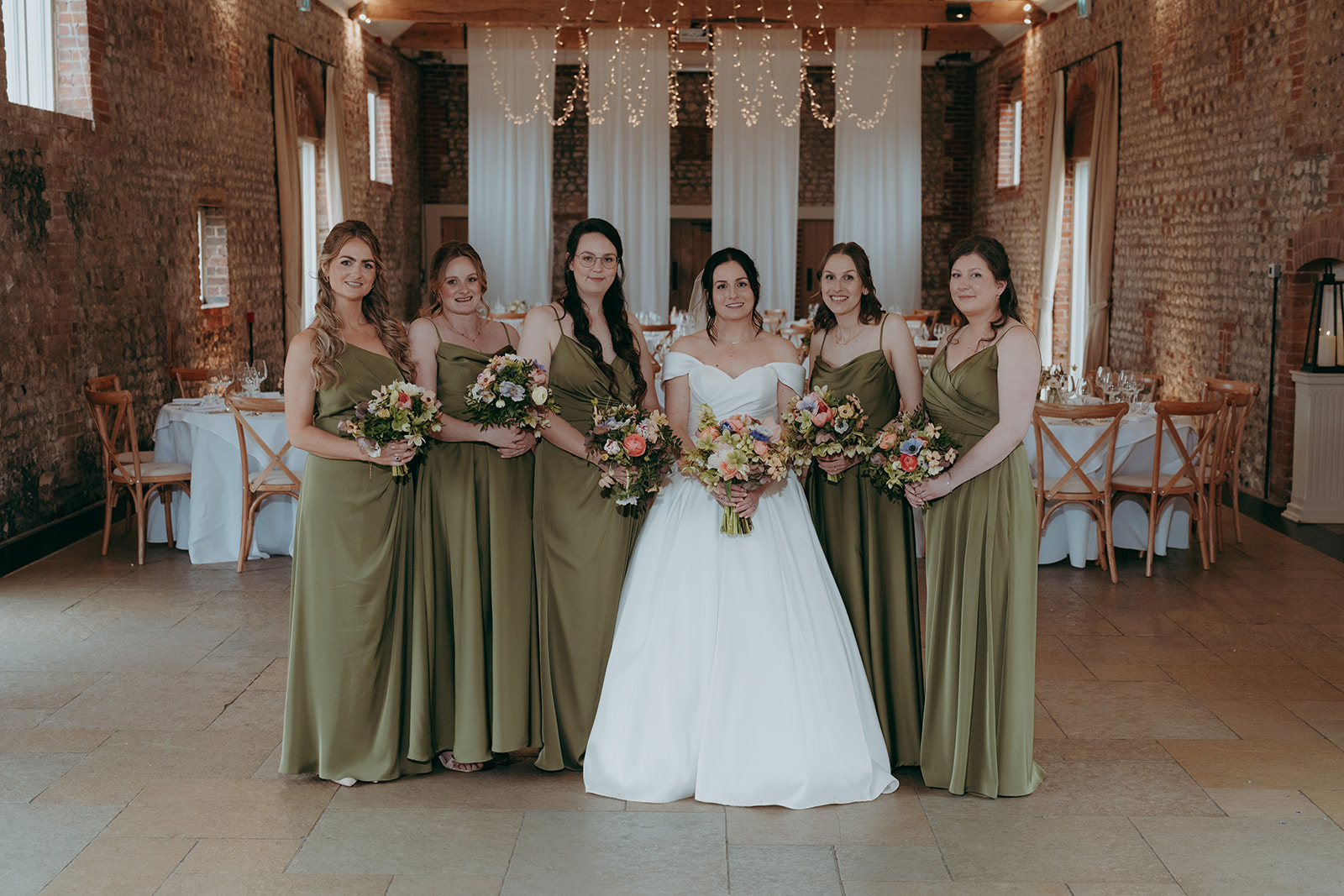
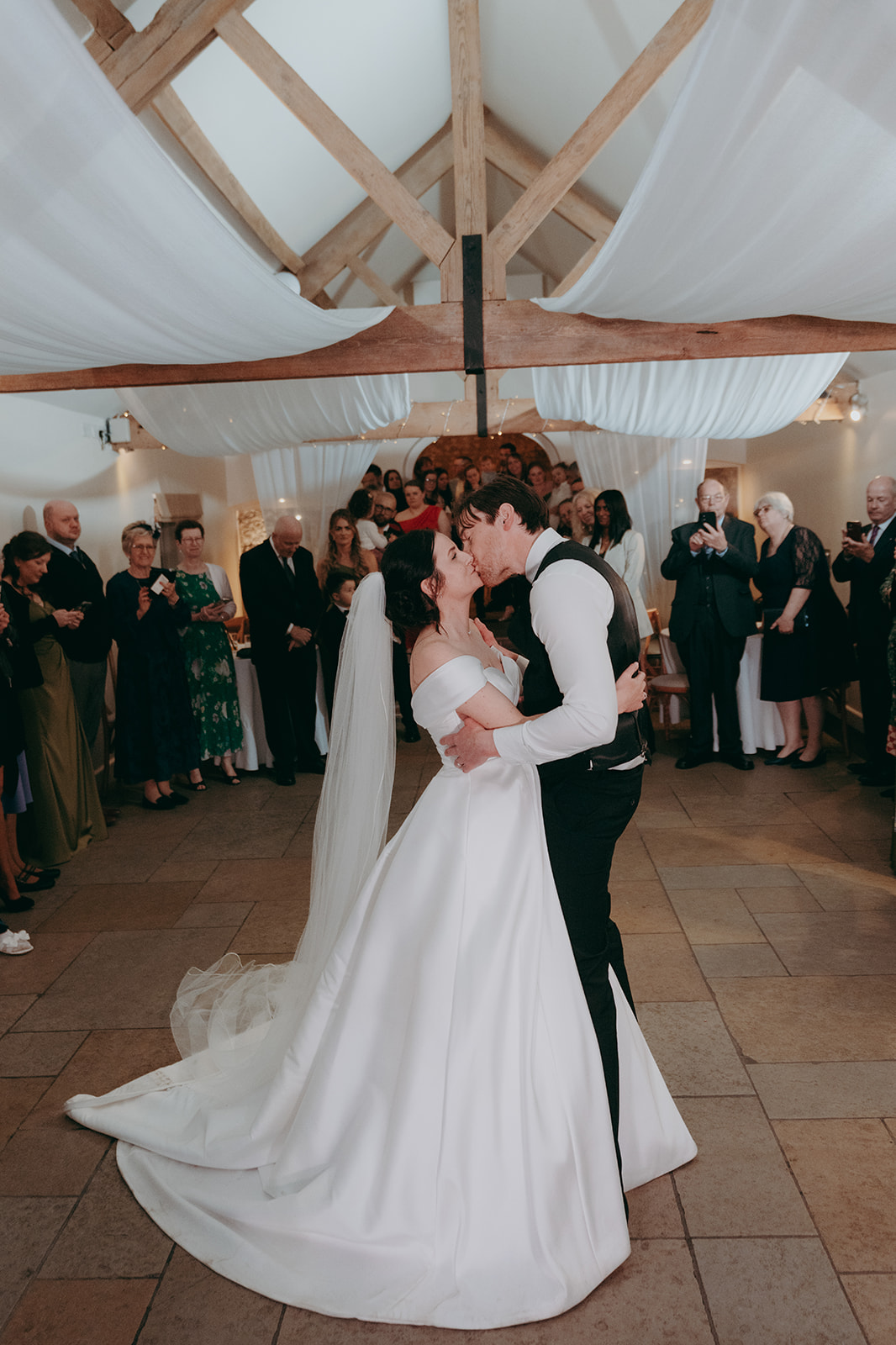
And then there's the feeling. Barns hold a particular atmosphere that's hard to manufacture. The exposed beams, the original brickwork, the sense that this building has been here longer than anyone at your wedding has been alive. Couples tell us, again and again, that they felt relaxed in a way they hadn't expected. That ease shows in the photographs and footage.
The Best Regions for Rustic Wedding Venues in England
England is spoilt for choice, which can make narrowing things down feel overwhelming. Here's an honest breakdown of what different regions offer, from our own experience of working across all of them.
The Yorkshire Dales and North Yorkshire Moors
This is our personal heartland for barn weddings. The landscape is extraordinary: wide skies, dry-stone walls, moorland that turns amber and purple depending on the season. Venues like Jervaulx Hall and The Tithe Barn at Newton Hall near Stocksfield (just over the border in Northumberland, but worth the mention) represent what this region does so well: historic bones, well-designed interiors, and land that rewards anyone with a camera.
Autumn is the peak season here, and for good reason. October light in the Dales is something else entirely.
The Cotswolds
No list of English barn venues is complete without the Cotswolds, and yes, it can feel like everyone you know got married there in 2019. But the venues are genuinely special. Caswell House in Oxfordshire, Cogges Farm near Witney, and Hyde House in Gloucestershire all offer that quintessential honey-stone backdrop that photographs so warmly. June through August is the busiest window; if you can grab a late September date, the light is softer and the crowds are gone.
The Peak District and Derbyshire
Slightly less saturated than the Cotswolds, the Peak District punches well above its weight for rustic venues. Heage Windmill and farm venues around the Chatsworth Estate area attract couples who want the dramatic landscape without the Cotswolds price tag. The stone here is darker, the skies more moody, and we've filmed some of our favourite stormy-sky portraits in these hills.
The South West: Devon, Dorset, and Cornwall
Barn weddings in the South West carry a different energy: wilder, more coastal, with a kind of barefoot informality that suits the region. Venues like Nancarrow Farm in Cornwall and Upcott Barton in Devon have built reputations for allowing couples to shape the day exactly as they want it. The growing seasons are longer here, which means wildflowers and outdoor ceremonies stay viable well into October.
East Anglia and the Chilterns
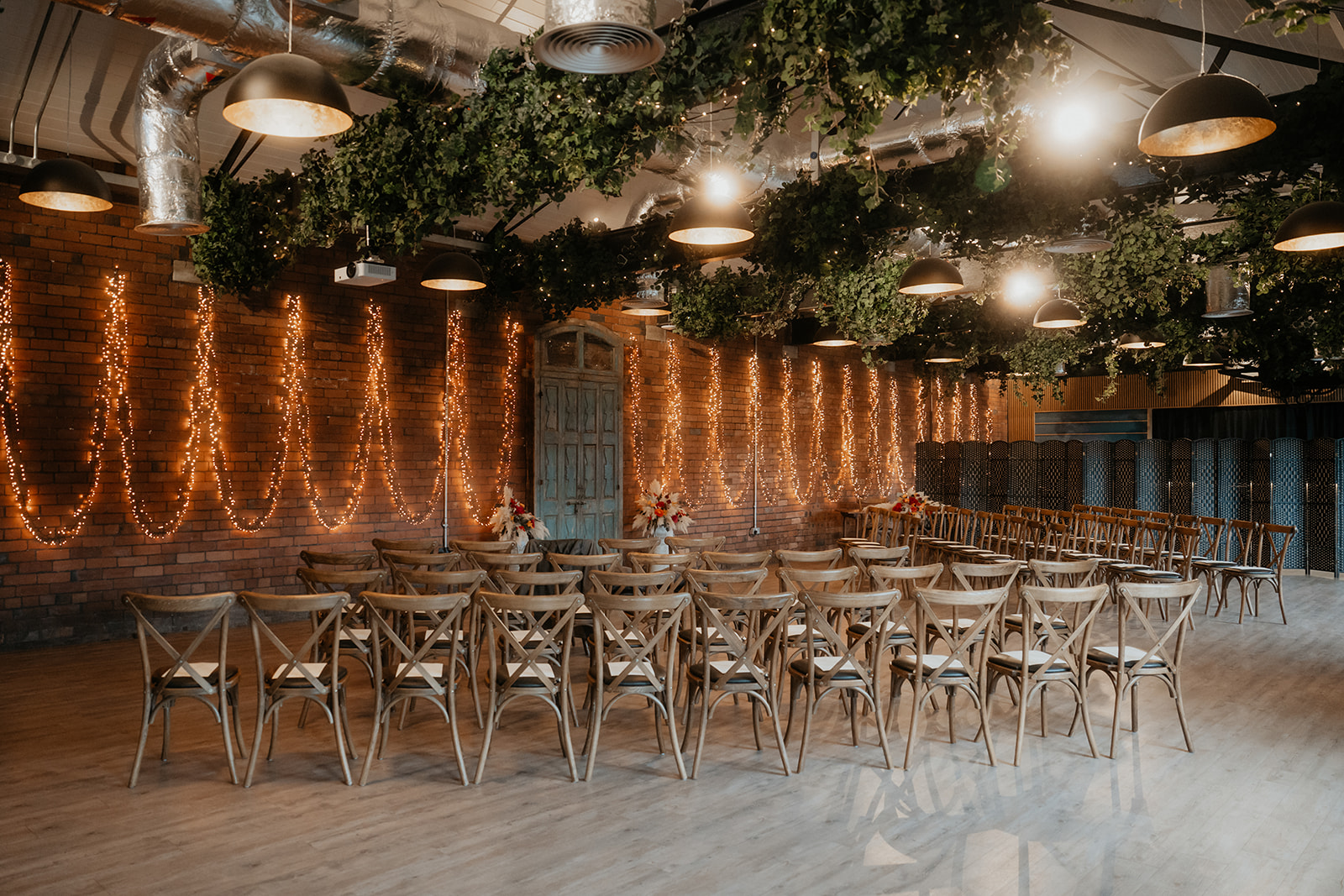
Often overlooked, honestly. Norfolk and Suffolk have some of the most atmospheric converted barns in the country, with that flat fenland light that photographers go a bit weak-kneed about. Voewood in Norfolk and various farm estates around the Chiltern Hills offer a quieter, more private feel than the busier Cotswolds corridor.
5 Things Nobody Tells You About Booking a Barn Venue
We've been to enough of these weddings to have collected some hard-won observations. Here's what we'd tell our own friends.
- Visit in the actual season of your wedding. A barn that looks magical in summer Instagram photos can feel cold and dim on a November afternoon. Ask to visit at the same time of year (and roughly the same time of day) as your planned wedding. The light changes everything.
- Ask about the wet weather plan before you fall in love with the outdoor ceremony space. England being England, you need a solid indoor backup. Some barns have it sorted; others expect you to figure it out yourself. Know before you sign.
- Check the acoustic setup if you want a band. Some barn structures, particularly those with high metal roofs, have terrible reverberation. Live music can sound like a car boot sale. Ask whether other couples have had live bands and whether there are acoustic panels installed.
- Understand what's included in the hire fee. Some barn venues are essentially dry-hire spaces: you bring everything, from tables and chairs to the generator. Others are fully dressed and catered. The price difference is significant, but so is the amount of coordination involved. Know what you're taking on.
- Think about your guests' journey, not just your own. Rural barns are often not near public transport. If you have elderly guests or a lot of people travelling from London, factor in how they're actually getting there and back. Shuttle buses from a nearby town are worth every penny and save you a headache at 11pm when someone's stranded.
What Makes a Great Barn Wedding Photograph (and What to Ask Your Photographer)
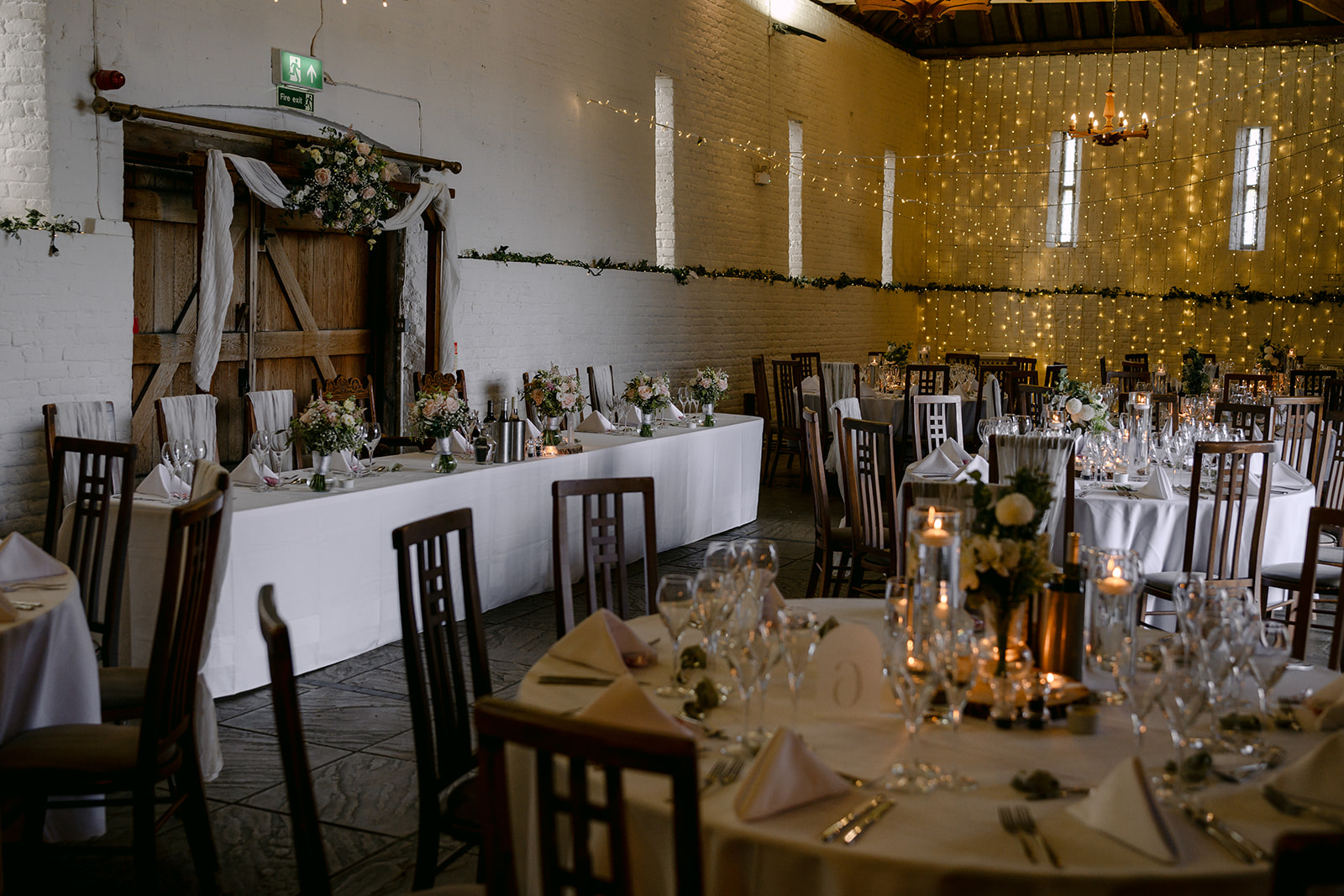
We've said it before and we'll keep saying it: the venue is the backdrop, but the light is the subject. When you're touring barn venues, look up. What's the roof situation? Are there skylights, high windows, open ends? Where does natural light enter the space, and from which direction? A barn that faces east is going to be flooded with morning light for your getting-ready shots but might be dim by the time you reach the reception. A barn with west-facing open doors will be backlit beautifully at 5pm in July but pitch black by 4pm in December.
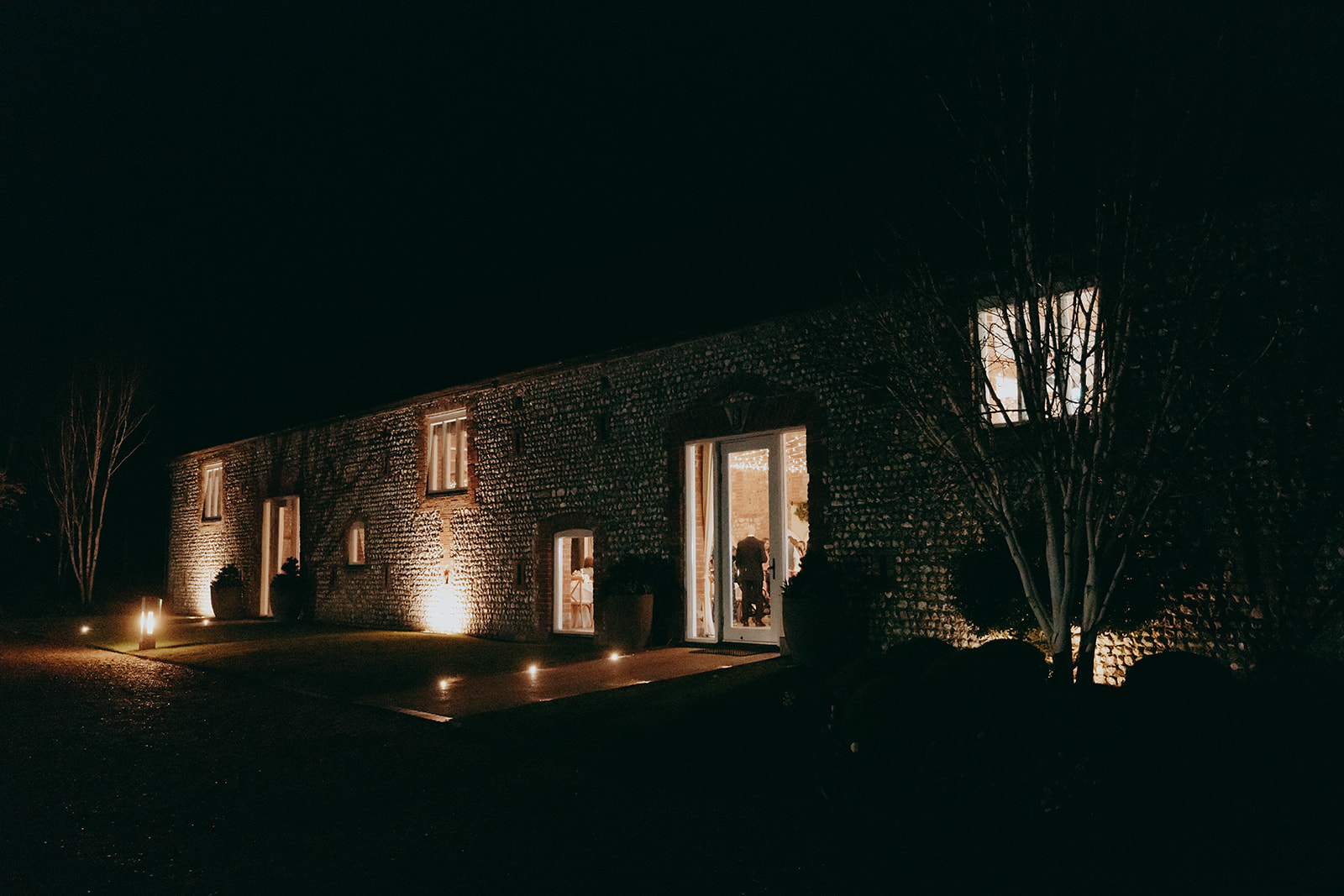
Ask any photographer or videographer you're considering whether they've worked at the venue before. Not because familiarity is essential, but because someone who's been there will know exactly where to position themselves for the ceremony, where the awkward shadows fall, and whether the barn's original lighting setup is good enough for evening footage without additional lighting rigs.
We once arrived at a barn near Shrewsbury to find the venue had installed a new LED strip lighting system since our last visit. Cold, blue-white light, running the full length of the ceiling. It looked fine to the naked eye but was a nightmare on camera until we adjusted. The couple had no idea, and it's the kind of thing only someone who's filmed there would flag in advance.
Styling a Barn Wedding Without It Looking Like Every Other Barn Wedding
Here's the honest truth: if you put dried pampas grass, a macramé backdrop, and a neon sign in any barn in England, it's going to look like 2019. That's not a judgement. It's just that barn wedding aesthetics have become so established that standing out takes a bit more intention.
The couples whose weddings we photograph and film that feel most distinctly theirs usually do one of two things: they either lean into the raw architecture and let the building do the work (minimal florals, natural textures, honest materials), or they do something completely unexpected with the space (we've seen a barn dressed like a Venetian palazzo, and it was genuinely one of the most memorable weddings we've been part of).
A few styling directions we've seen work particularly well in barn spaces:
- British wildflower arrangements in aged copper or terracotta vessels, rather than formal floristry
- Long feasting tables instead of rounds, which photograph far better and create a more social atmosphere
- Candlelight in quantity: the more the better, and mix pillar candles with tapers and votives at different heights
- Local, seasonal produce as table decoration (we photographed a wedding at a working farm in Herefordshire where the centrepieces were actual vegetables from the farm; it was charming and looked incredible on film)
- A considered colour palette that works with the existing tones of the barn, rather than fighting them
Timing Your Barn Wedding: What Each Season Actually Looks Like
Spring barn weddings, from April through May, offer fresh green backdrops, blossom if you're lucky, and that particular quality of English light that's soft without being flat. The risk is unpredictability: we've had April days in the Peak District that felt like January. Bring a plan B and embrace the possibility that a bit of drama in the sky makes for better photographs.
Summer is peak season, and peak pricing. June and July give you the longest days, the warmest evenings, and the best chance of a golden hour that actually cooperates. August can be gorgeous but also warm inside a barn with no air conditioning. Worth asking venues about their ventilation situation.
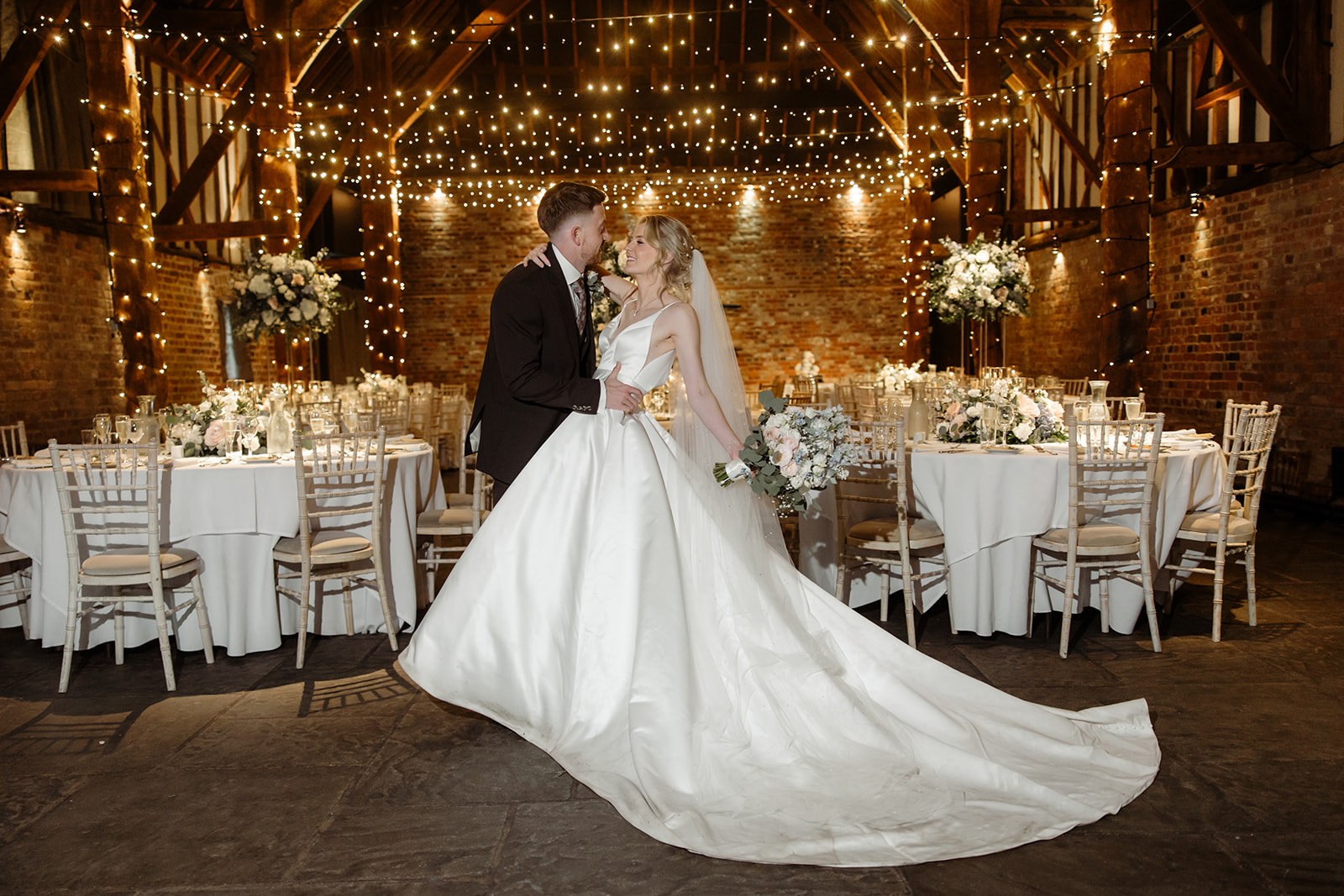
Autumn is, genuinely, our favourite. September and October in an English barn, with leaves turning outside and candles lit inside by 4pm, is hard to beat. The light is lower, warmer, and more directional, which is everything for photography and film. Venues tend to have more flexibility on dates, too.
Winter barn weddings are underrated. A properly heated barn, dressed with greenery and candlelight in December or January, has an atmosphere that summer simply can't replicate. And the cost savings can be significant. We filmed a New Year's Eve wedding in a barn near Ludlow last year and the photographs look like something from a fairy tale.
Frequently Asked Questions
What is the average cost of hiring a barn wedding venue in England?
Barn venue hire in England varies considerably by region, size, and what's included. As a general guide, expect to pay anywhere from £3,000 to £8,000 for a mid-week or off-peak date, rising to £6,000 to £15,000 or more for popular Saturday slots at well-known venues in the Cotswolds or Surrey. Dry-hire barns where you source everything yourself can appear cheaper upfront but the total cost often levels out once you factor in furniture, catering, and equipment hire. Always ask for a full breakdown of what the venue fee includes before comparing quotes.
Do barn wedding venues in England need a special licence for ceremonies?
Yes. For a legally binding ceremony to take place at a barn venue, that venue must hold an approved premises licence issued by the local authority. Most established barn wedding venues in England already hold this licence, but it's worth confirming before you book, particularly with newer or privately owned properties. If the barn isn't licensed, you can still marry legally at a nearby register office and hold your reception at the barn separately. Some couples choose this route deliberately and plan a more personal blessing or vow exchange at the barn itself.
What should I look for when visiting a barn wedding venue?
Beyond the obvious aesthetic appeal, look at the practical infrastructure: toilets (and whether they're attached or in a separate building), parking capacity, accessibility for guests with mobility needs, kitchen facilities for your caterers, and the heating setup. Stand inside and look at the light at the time of day your ceremony will take place. Ask about noise restrictions, a midnight music curfew can significantly affect the feel of your evening. And ask to see photographs from real weddings at the venue across different seasons, not just the venue's own styled shoot portfolio.
Are barn weddings more expensive than hotel weddings?
Not necessarily, though the cost structure is different. Hotel venues often bundle catering, accommodation, and coordination into a per-head package, which can make budgeting more straightforward. Barn venues frequently involve more individual supplier bookings, which gives you more control but also more to manage. The total spend can be similar, but couples who choose barns often feel they've had more input into how every pound was spent. The key is to understand from the outset whether you're dealing with a dry-hire space or a full-service venue, as the planning workload differs significantly between the two.
Ready to Start Planning Your Barn Wedding?
If you've read this far, you probably already have a barn in mind, or at least a county. The next step is touring venues in person, in your actual season, and starting to build your supplier team around the space you choose.
And when it comes to capturing the day, whether that's photographs, film, or both, we'd love to hear your story. We've spent years photographing and filming barn and rustic weddings across England, from stone-floored Cotswolds barns to windswept Yorkshire farm buildings, and every single one has been different. If you're looking for someone who knows how to read a barn's light, work quietly within its atmosphere, and bring back a gallery and a film that feel like your day (not a template of someone else's), get in touch. Tell us the venue, the date, the vibe you're going for. We'll take it from there.