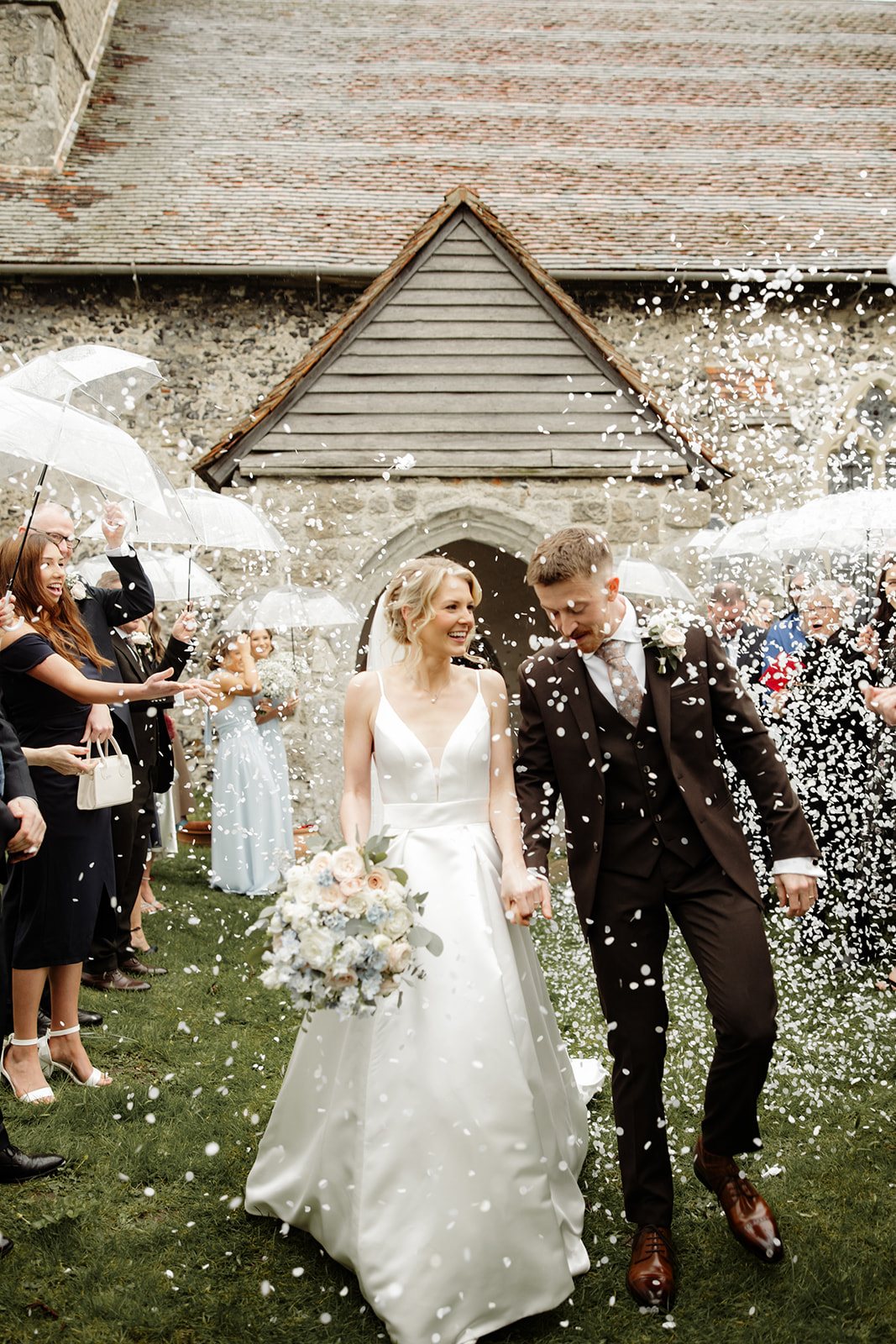
You've done this before, which means you know what actually matters. Here's how to plan a second wedding that feels completely, unapologetically yours.
The second wedding conversation nobody tells you how to start.
There's a particular kind of pause that happens when someone newly engaged for the second time says, "I don't really know what the rules are anymore." We hear it a lot. And honestly, that pause is one of the most freeing things that can happen to a couple planning a wedding, because there are no rules. Or rather, the rules you're thinking of were largely invented by people trying to sell you things.
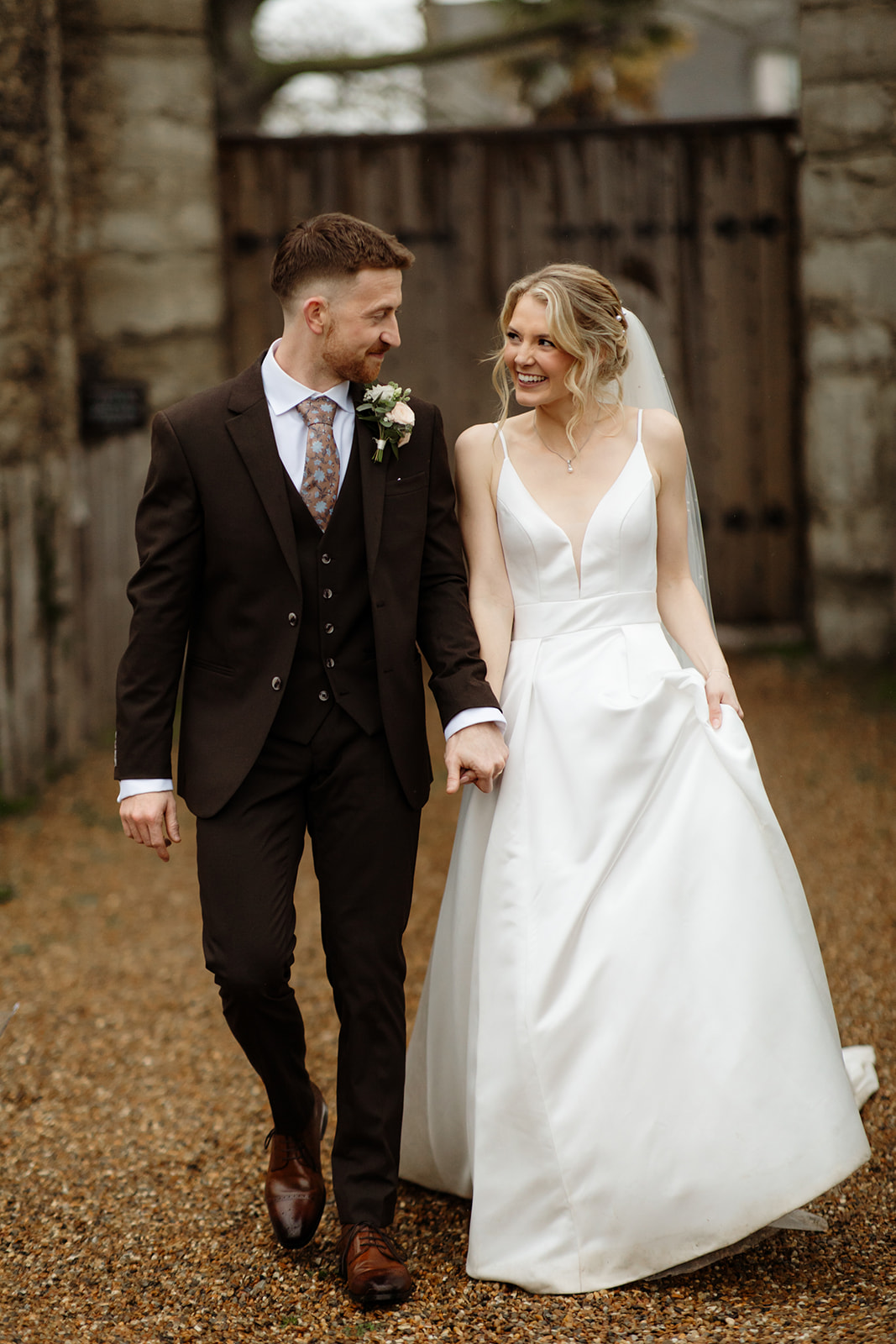
Planning a second wedding is different from the first in ways that are both practical and emotional. On the practical side, you probably have a clearer sense of what you want, what you can afford, and which parts of the traditional wedding format you actually care about versus the parts you felt obligated to include last time. On the emotional side, things can be more complicated, and it's worth sitting with that before you start making lists.
What we've seen, across hundreds of weddings, is that second weddings tend to be more considered. Couples are less swayed by trends, less worried about what the guests will think, and more focused on having a day that genuinely reflects who they are together. That often makes for better photographs, better memories, and a more relaxed atmosphere all round. But it also means you need to approach the planning differently, because you're not starting from the same assumptions.
So let's talk about what actually changes when you're planning a second wedding, and what, perhaps surprisingly, stays exactly the same.
Smaller, sharper, more deliberate on choosing your people wisely.
The guest list is usually where the biggest shift happens. First weddings often expand to accommodate family politics, childhood friends you haven't seen in years, and a vague sense that more guests means a better party. Second weddings, in our experience, tend to go the other way. People get specific. They get honest. And the resulting guest lists are almost always better for it.
There's no obligation to invite everyone who attended your first wedding. Some of those relationships will have changed; some people won't even expect an invitation. What matters is that the people in the room are people who genuinely support you both as a couple. A wedding with forty people who are completely delighted to be there is a warmer, more joyful day than one with a hundred and twenty guests, half of whom are there out of obligation.
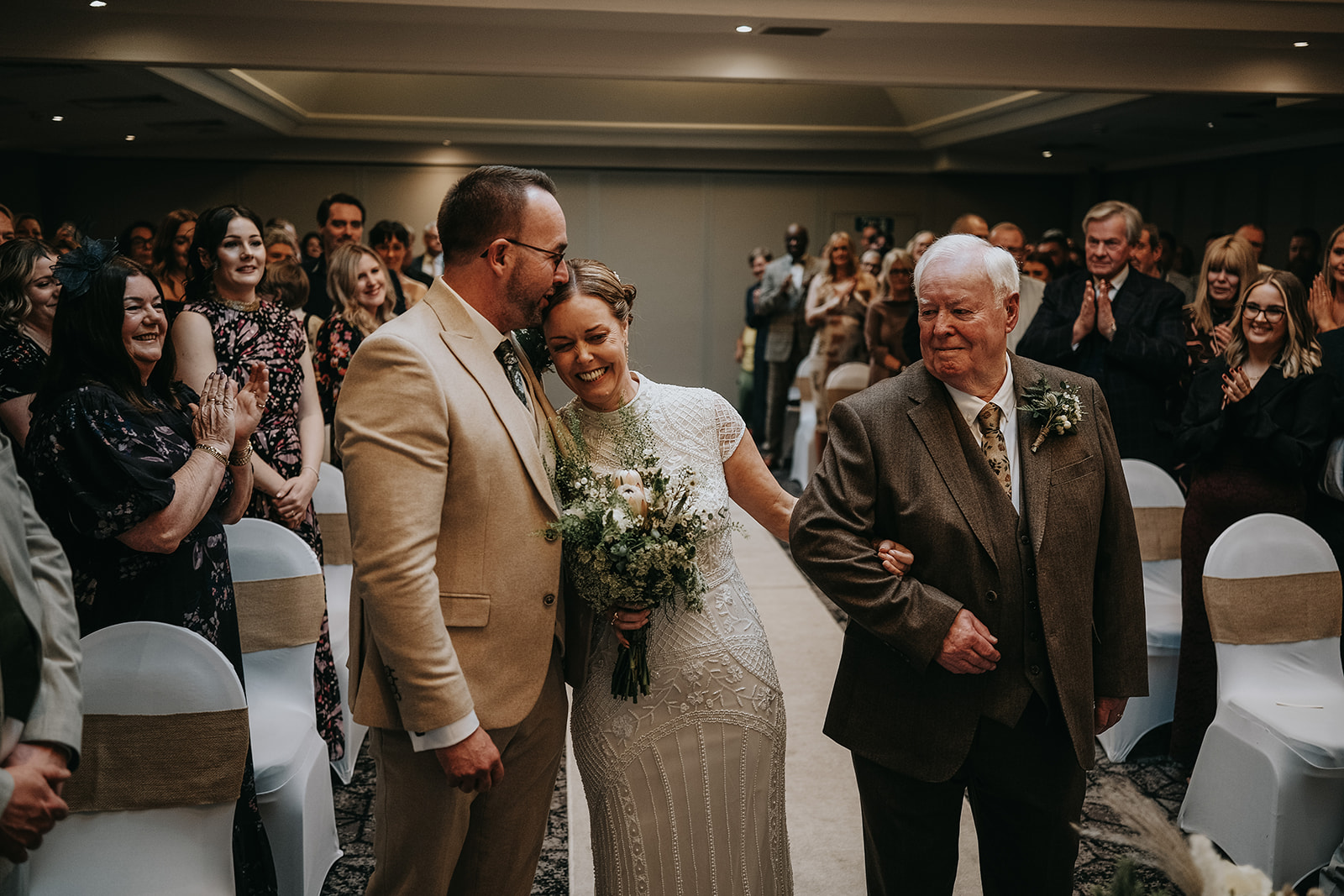
A few things worth thinking through as you build your list:
- Children from previous relationships: How and whether to include them is a deeply personal decision, and there's no single right answer. Some couples make their children central to the ceremony, others prefer to keep things separate. Talk about it early, and talk to the children too if they're old enough.
- Mutual friends vs. individual friends: Who belongs to both of you, and who belongs to just one? This matters more in second weddings where social circles may be more established.
- Family dynamics: Divorced parents, step-families, ex-in-laws you're still close to. Think about seating and logistics early, before the list is finalised.
- Work colleagues: Unless you're genuinely close, this is often the first category to trim.
A smaller, more intimate wedding also opens up venue options that simply wouldn't work at scale. Country houses, private dining rooms, converted barns in the Dales or a restored Georgian townhouse in Edinburgh; venues that feel personal rather than functional become genuinely viable when you're not trying to seat two hundred people.
What the 'rules' actually say and why most of them are optional.
There's a lingering idea that second weddings should be quieter, less formal, and somehow more restrained than a first wedding. White dress, big church ceremony, full bridal party: these things are sometimes presented as off-limits, or at least slightly inappropriate. We'd push back on that quite firmly.
Modern wedding etiquette is almost entirely permissive when it comes to second weddings. You can wear white. You can have bridesmaids. You can have a church ceremony if your faith and your denomination permit it (worth checking directly with your officiant). You can have a first dance and a cake and confetti and all the rest of it. None of those things are reserved for first-timers.
What you don't have to do is follow a template that doesn't fit your situation. Second weddings are a brilliant opportunity to design a day from scratch, keeping only what genuinely matters and leaving everything else behind. Some couples choose a completely civil ceremony with no religious element. Others go for an elopement-style wedding with just a handful of witnesses. Others throw a full celebration that's bigger and more elaborate than their first wedding was, and there's nothing wrong with any of it.
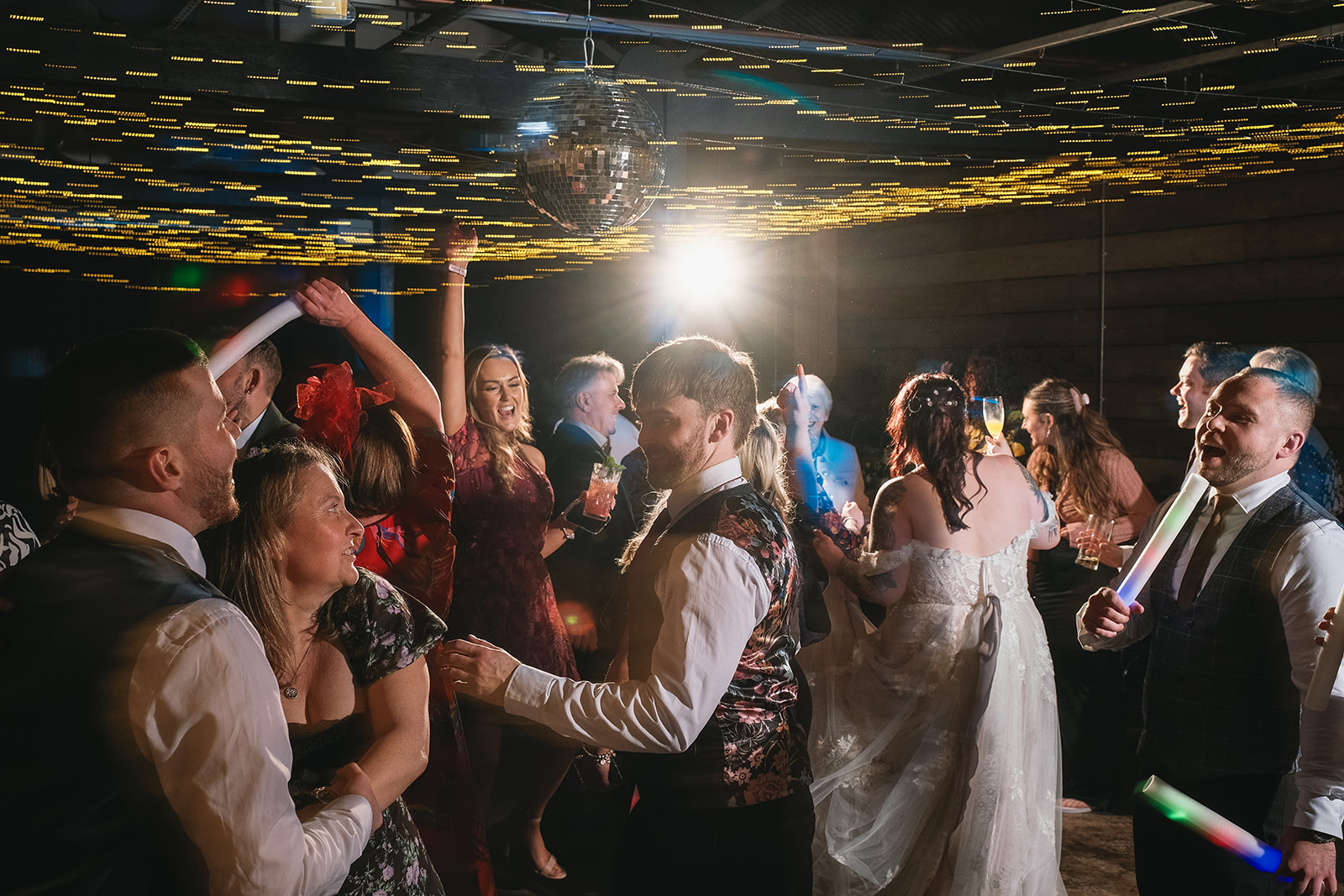
On the question of gifts: it's perfectly acceptable to request no gifts, to ask for contributions to a honeymoon fund, or to suggest a charity donation. Many guests will be relieved not to have to navigate a full gift list, particularly if they also attended your first wedding. If you do have a gift list, keep it focused on things you actually need rather than duplicating what you already own.
One tradition that does tend to stay consistent: the importance of the ceremony itself. However informal or unconventional your day, the moment you make your promises to each other matters. Don't let logistics swallow it.
Spending with intention this time not because you feel you should.
Here's something we've noticed after years of photographing and filming weddings across the UK: couples planning a second wedding are almost always better at spending money on the right things. Not because they have more of it (though sometimes that's true), but because they've already learned, the hard way, which parts of a wedding day you actually notice and which parts vanish into the blur.
The flowers on the top table. The colour of the chair sashes. The exact font on the order of service. These are the things that consume enormous amounts of energy during planning and are largely invisible by the time the day arrives. The things that stay with you are the ones that involve people: the ceremony, the speeches, the meal, the dancing, the quiet moments between.
A practical approach to budgeting for a second wedding:
- Start with your non-negotiables. What would make the day feel incomplete without it? List those first, budget for them first, and build everything else around them.
- Be honest about venue costs. Venue hire is usually the largest single expense. A mid-week wedding, a Sunday, or an off-peak date (January through March, or November) can make a significant difference to what's available at a given budget.
- Question the full bridal party. Bridesmaids, groomsmen, hair and make-up for the whole party, matching outfits: these add up quickly. A second wedding is a good moment to ask whether you want a traditional bridal party or whether a couple of close friends standing with you feels more honest.
- Invest in food and drink. Guests remember a bad meal. They also remember running out of wine. These are not places to cut corners.
- Don't skip the photography and film. We'd say this regardless, but it's especially true for a second wedding: the visual record of your day is the thing you'll return to for the rest of your life. If you're looking for a team who covers both photography and film across the UK, we'd genuinely love to hear your story.
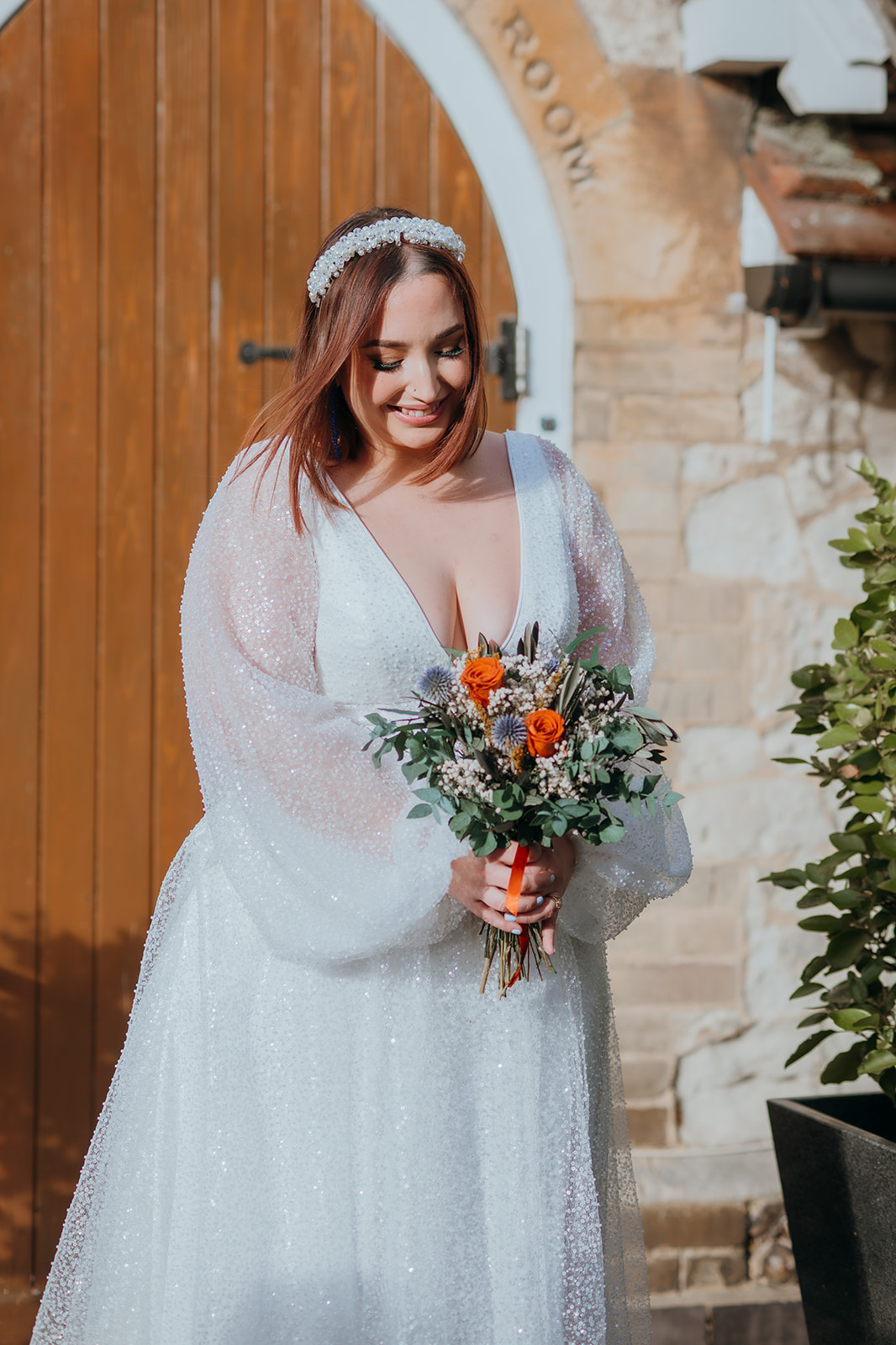
The other thing worth saying about budget: you don't have to spend more than you're comfortable with in order to have a day that feels significant. Some of the most moving weddings we've been part of have been the quieter ones, where every element was chosen carefully and nothing was there just to fill space.
Giving yourself permission to feel everything at once.
Planning a second wedding brings up feelings that don't always have a neat place in the conversation. Excitement about the future sits alongside, sometimes, grief about the past. The end of a first marriage, whether through divorce or bereavement, is a loss, even if you're now in a relationship that makes you happier than you've ever been. Both things can be true at the same time, and it's worth knowing that before the planning starts in earnest.
We've photographed weddings where a widow asked to carry a small photograph of her late husband in her bouquet. We've filmed ceremonies where the couple's children stood together at the altar as part of the vows. We've been at receptions where people cried from happiness and from something more complicated, and both kinds of tears were entirely welcome. Second weddings contain more history, and that's not a problem to be managed; it's part of what makes them meaningful.
A few things that tend to help:
- Talk to your partner openly about how you each feel about the first wedding, what you want to carry forward and what you'd rather leave behind. These conversations are easier before you've booked anything.
- Involve your children thoughtfully. If either of you has children from a previous relationship, think carefully about how the day acknowledges them. Some couples include a family unity ceremony or a specific moment in the vows. Others keep it simple. What matters is that the children feel seen.
- Don't compare. This sounds obvious, but it's easy to find yourself measuring your second wedding against your first, either trying to outdo it or trying to be deliberately different. Plan the wedding that fits who you are now, not in reaction to what came before.
- Give yourself permission to celebrate fully. You are not required to keep things muted or low-key because it's your second time. If you want the big party, have the big party.
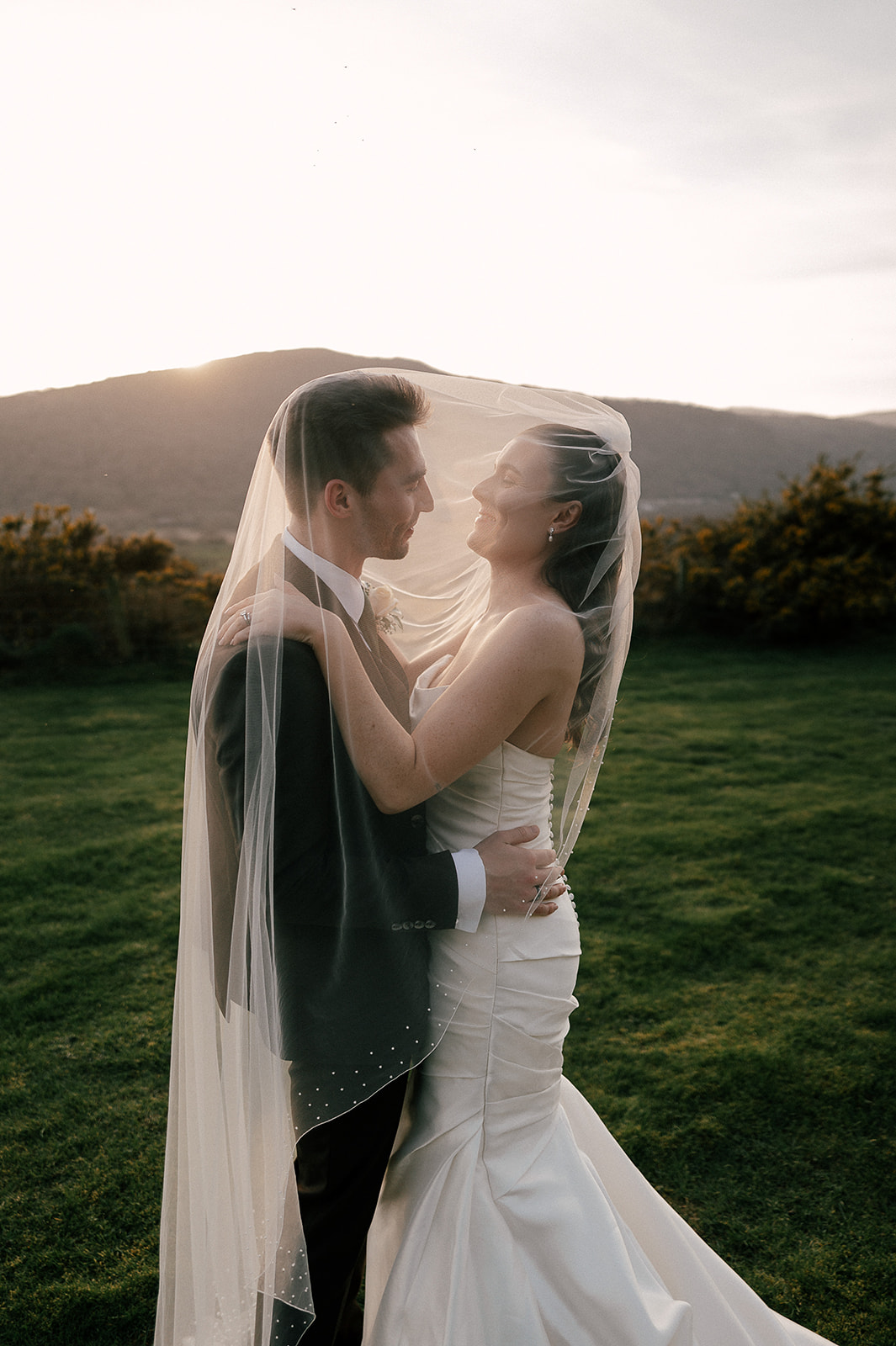
One of our photographers said something after a second wedding in the Yorkshire Dales last year that has stayed with us: "They just looked so ready." Not nervous, not performing, just completely settled in each other and in the day. There's something about the clarity that experience brings, and it shows.
The logistics that actually differ for a second wedding in the UK.
Beyond the emotional and philosophical questions, there are some genuinely practical differences to navigate when planning a second wedding in the UK. None of them are insurmountable, but they're worth knowing about early.
Legal requirements: If you were previously married, you'll need to provide proof that your first marriage has legally ended, either a decree absolute (for divorces finalised before 6 April 2022) or a final order (for more recent divorces), or a death certificate if you were widowed. Your registrar or officiant will ask for this, so have it to hand when you start the formal booking process.
Church ceremonies: The Church of England does permit the marriage of divorced people in some circumstances, but it's at the discretion of the individual minister. If a church ceremony matters to you, speak directly to the vicar or priest early in the process rather than assuming. Other denominations have their own policies, so check with your specific place of worship.
Name changes: If you changed your name after your first marriage and then reverted it after a divorce, you may be going through the name change process again. It's worth noting that you don't legally have to change your name after marriage in the UK; it's entirely optional, and many people in second marriages choose not to, or choose a different approach (double-barrelling, for instance).
Venue availability: Popular UK wedding venues book up eighteen months to two years in advance for peak season (May through September). If you're planning a second wedding and have a specific venue in mind, don't assume that a smaller guest list means easier availability. The venue doesn't know or care how many times you've been married; it cares about its calendar.
Supplier briefing: It's worth being upfront with your suppliers, including your photographer, videographer, florist, and caterer, about any family complexities. Not because you owe anyone an explanation, but because it helps them do their job better. Knowing that the seating plan has a particular sensitivity, or that there are two sets of step-siblings who've never met, helps everyone prepare.
Quick wins
- GUEST LIST: Smaller is almost always better for a second wedding. Prioritise the people who are genuinely there for both of you, and don't feel obligated to replicate the scale of your first.
- LEGAL PREP: Have your decree absolute, final order, or death certificate ready before you start formal bookings. Registrars and officiants will need it, and it saves a scramble later.
- BUDGET FOCUS: Spend on the things you'll actually remember: the ceremony, the food, the photography and film. Trim the elements that felt obligatory last time and didn't add much joy.
- EMOTIONAL SPACE: Give yourself permission to feel complicated things alongside the happiness. A second wedding carries more history, and that's something to acknowledge, not suppress.
Frequently Asked Questions
Can I wear a white dress to my second wedding?
Absolutely. There's no rule, modern or otherwise, that prevents you from wearing white or ivory to a second wedding. Wear what makes you feel like yourself on the day.
Do we need to send formal invitations for a second wedding?
Formal invitations are lovely but not required. Many couples planning a second wedding opt for something more personal and less traditional, whether that's a beautifully designed card or a heartfelt written note. The format matters less than the warmth behind it.
How do we handle inviting children from a previous relationship?
There's no single right answer here, and it depends entirely on the children's ages, your relationships, and what feels honest. Some couples include children formally in the ceremony; others prefer a separate celebration with them. Talk to the children directly if they're old enough, and don't make assumptions about what they want.
Is it awkward to ask for gifts at a second wedding?
Many couples planning a second wedding already have two households' worth of things, so a traditional gift list can feel a bit odd. A honeymoon fund, a charity donation, or simply a 'no gifts please' note on the invitation are all perfectly acceptable and most guests will appreciate the clarity.