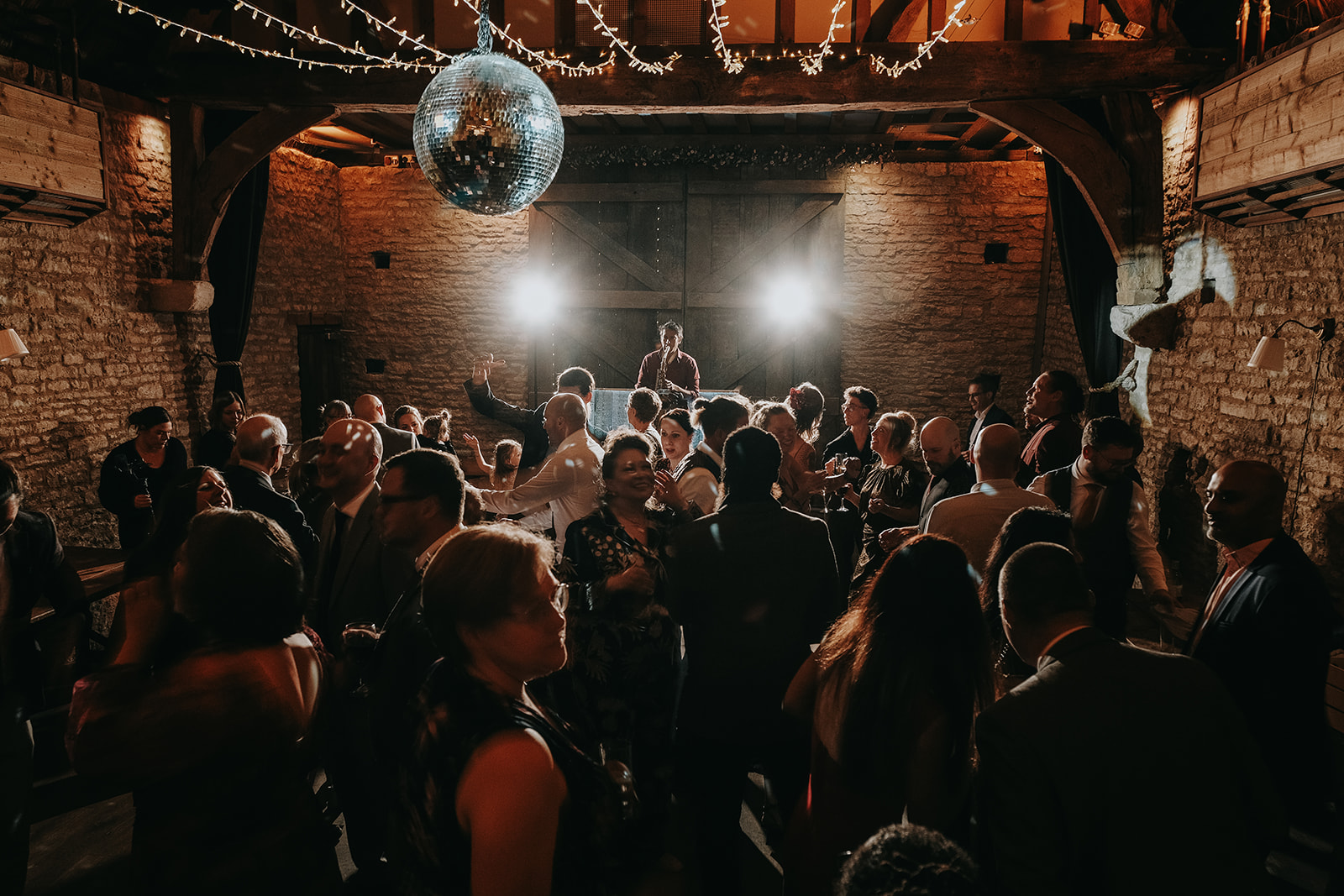
Mirror balls, silk flares, and a dance floor that doesn't clear until midnight: the disco wedding is having a serious moment. Here's how to make it feel intentional, not fancy dress.
Why the disco wedding is everywhere right now.
We've shot weddings in barns, castles, cliff-top marquees, and converted Victorian mills, and the one thing we've noticed shifting most noticeably over the past year or two is what couples actually want the evening to feel like. Less "elegant dinner party that accidentally has a DJ", more "the best Saturday night of our lives, but with wedding cake." The disco wedding trend is the natural endpoint of that shift.
It's not hard to see why it's landed so hard in the UK specifically. We have a genuine cultural relationship with disco and funk that goes back to the late seventies, and the nostalgia feels warm rather than ironic. Couples who grew up with parents playing Chic and Earth, Wind and Fire in the kitchen are now planning their own weddings, and they're not pretending they want something understated. They want the mirror ball. They want the light show. They want the saxophone solo at 10pm.
But here's where it gets tricky. Done well, a disco wedding is joyful and sophisticated and completely unforgettable. Done without enough thought, it can tip into the territory of a works Christmas party or a themed birthday at a hired pub function room. The difference isn't budget, exactly. It's intention. It's the choices you make about what to lean into and what to leave out, and it's understanding that "disco" as an aesthetic has a genuinely rich visual language that rewards being taken seriously.
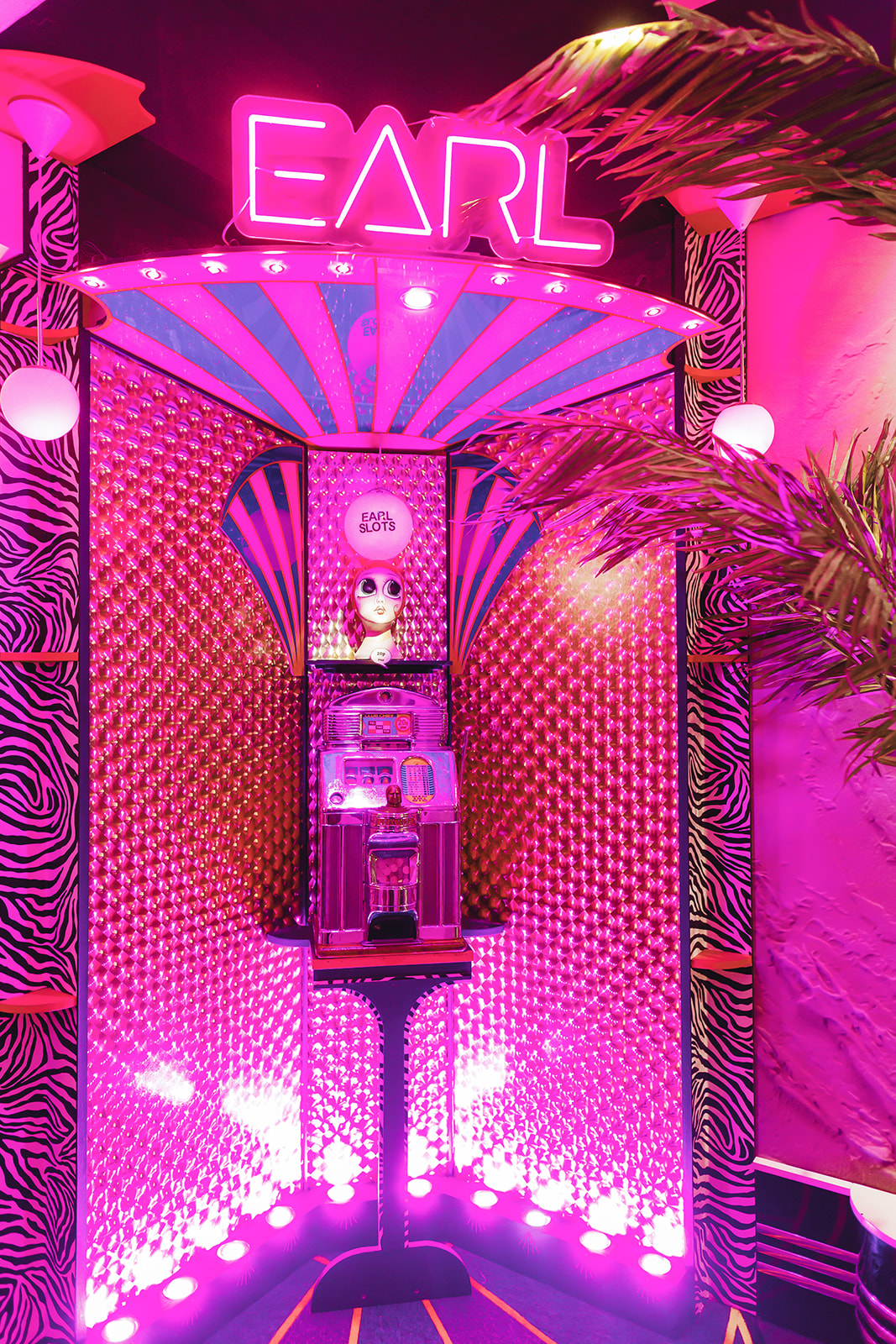
Building a disco aesthetic that actually holds together.
The first thing we'd say to any couple planning a disco-themed wedding is this: pick your era. Disco isn't one single look. The early seventies had a different energy to the peak Studio 54 years of 1977 to 1980, which felt different again to the post-disco funk and soul revival of the eighties. Knowing roughly where you're landing helps every decision that follows, from the florals to the stationery to what the bridesmaids are wearing.
If you're going full late-seventies, think deep jewel tones: burnt orange, chocolate brown, forest green, and gold. Lots of gold. Think textured fabrics, feather details used sparingly, wide-brimmed hats, and a colour palette for your florals that leans towards warm dahlias and chrysanthemums rather than pale English garden roses. If you want the more glamorous Studio 54 end of things, you're looking at silver, black, and white with moments of shocking colour, sleek silhouettes, and a general sense that everyone in the room has put in real effort.
The mistake most couples make is trying to do both at once, and then adding in some extra elements from neither, because they saw them on Pinterest. Restraint is what separates a cohesive disco wedding from a chaotic one. You don't need every disco signifier in the same room. You need the ones that belong together.
A few things that consistently read as considered rather than costume-y:
- A single large mirror ball rather than twelve small ones scattered everywhere
- Velvet or silk table linen in deep tones rather than gold plastic tablecloths
- Warm amber uplighting as your base, with coloured moving lights used only on the dance floor
- Stationery with a genuine graphic identity, something that could pass as a vintage concert poster or a high-end record sleeve
- Fresh florals rather than artificial or heavily glittered arrangements, even in bold colours
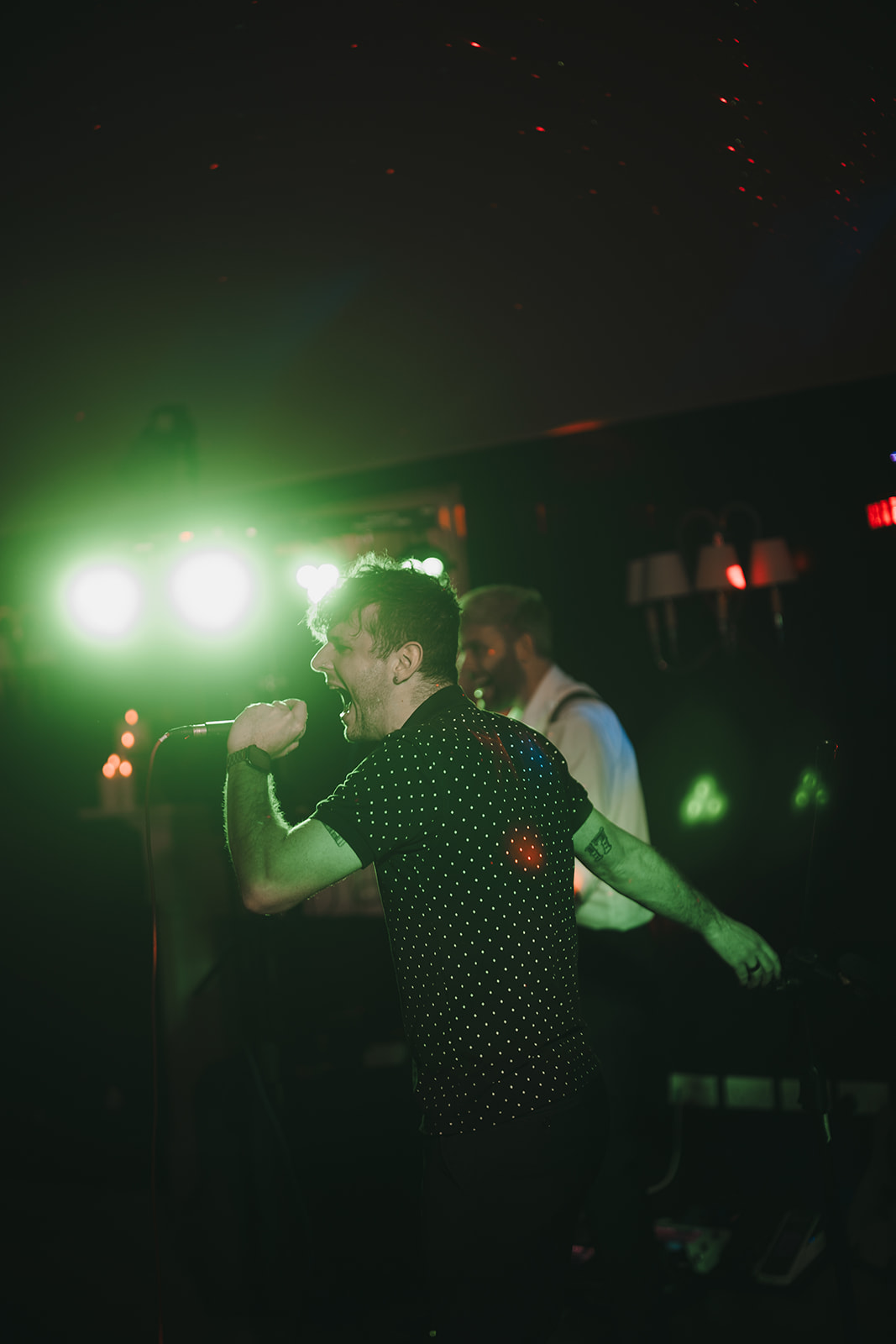
The small choices that make or break the whole thing.
We photographed a wedding in Manchester last summer where the couple had put an enormous amount of thought into the big stuff: the venue, the dress, the lighting rig. And then the table centrepieces arrived and they were these slightly sad bundles of gold tinsel in plastic vases, the kind of thing you'd find in a discount party shop in November. It pulled everything down. Not because the budget had run out, but because someone had stopped paying attention at the detail stage.
Details matter disproportionately at a disco wedding because the whole aesthetic is about texture and light. Things catch the light. Things reflect. Everything is slightly more visible than it would be at a more muted reception, which means the things that don't work are also more visible.
Stationery is one area where couples often under-invest. A disco wedding with beautiful save-the-dates and menus that look like a Studio 54 membership card sets a tone from the very beginning. Your guests arrive already knowing what kind of evening they're in for, and that anticipation is worth something. Designers on Etsy and Not on the High Street have produced some genuinely good work in this space, and a few of the better UK stationery studios are doing bespoke disco-era graphic design that's miles away from the generic gold foil options.
Food and drink are also part of the aesthetic, even if people don't always think of them that way. A grazing table feels slightly wrong at a disco wedding. You want something with more personality: a cocktail menu printed like a vinyl sleeve, a signature drink named after a Donna Summer track, a late-night snack that arrives at the precise moment the dance floor hits its peak. One couple we worked with had a loaded fries station that opened at 11pm, and the queue for it became part of the evening's energy rather than a distraction from it.
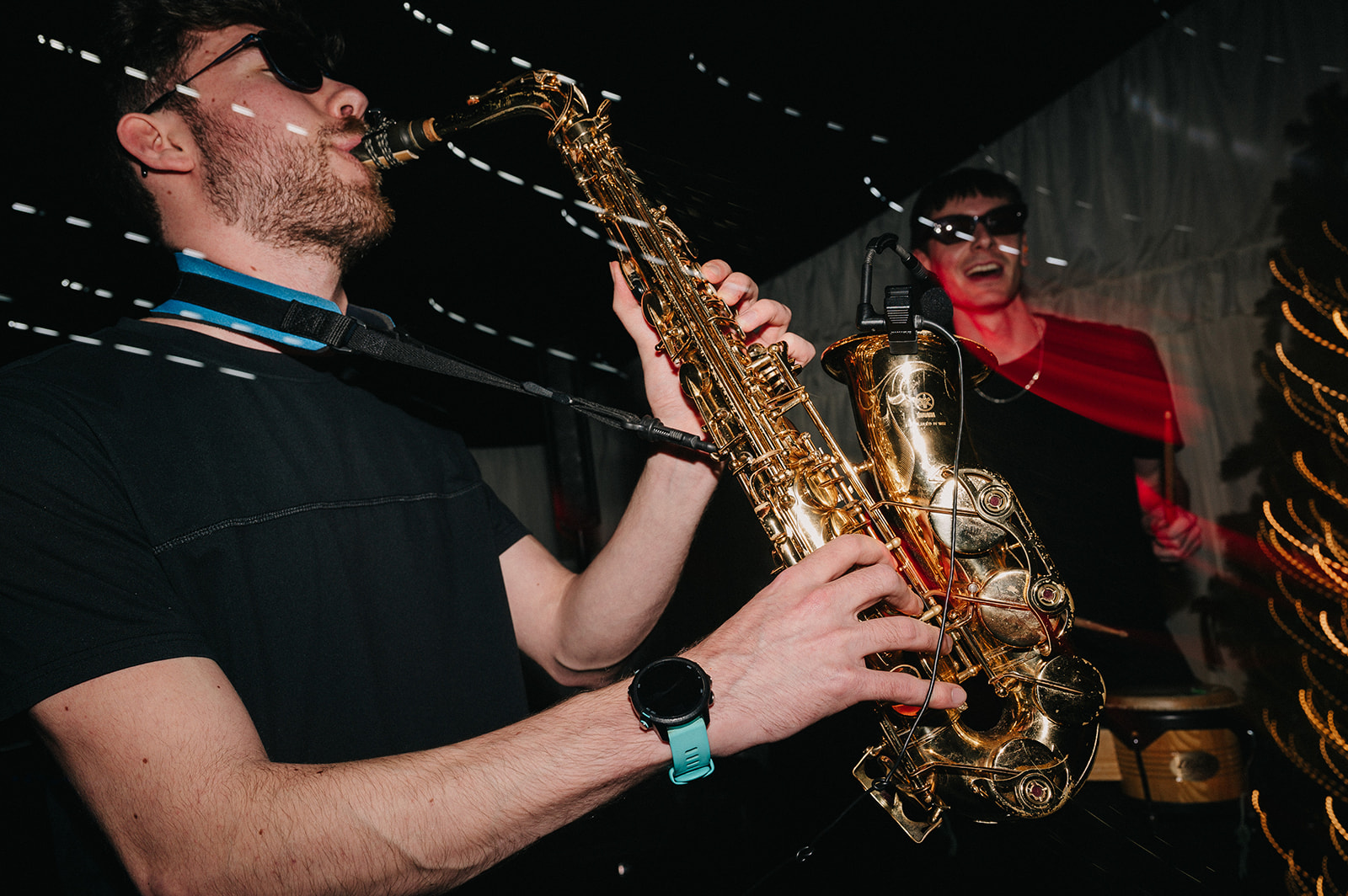
Getting the soundtrack completely right.
This is the part where most disco weddings either soar or stumble. The music is the whole point, and yet it's also the element couples are most likely to hand over entirely to a DJ they've met once and never really briefed properly.
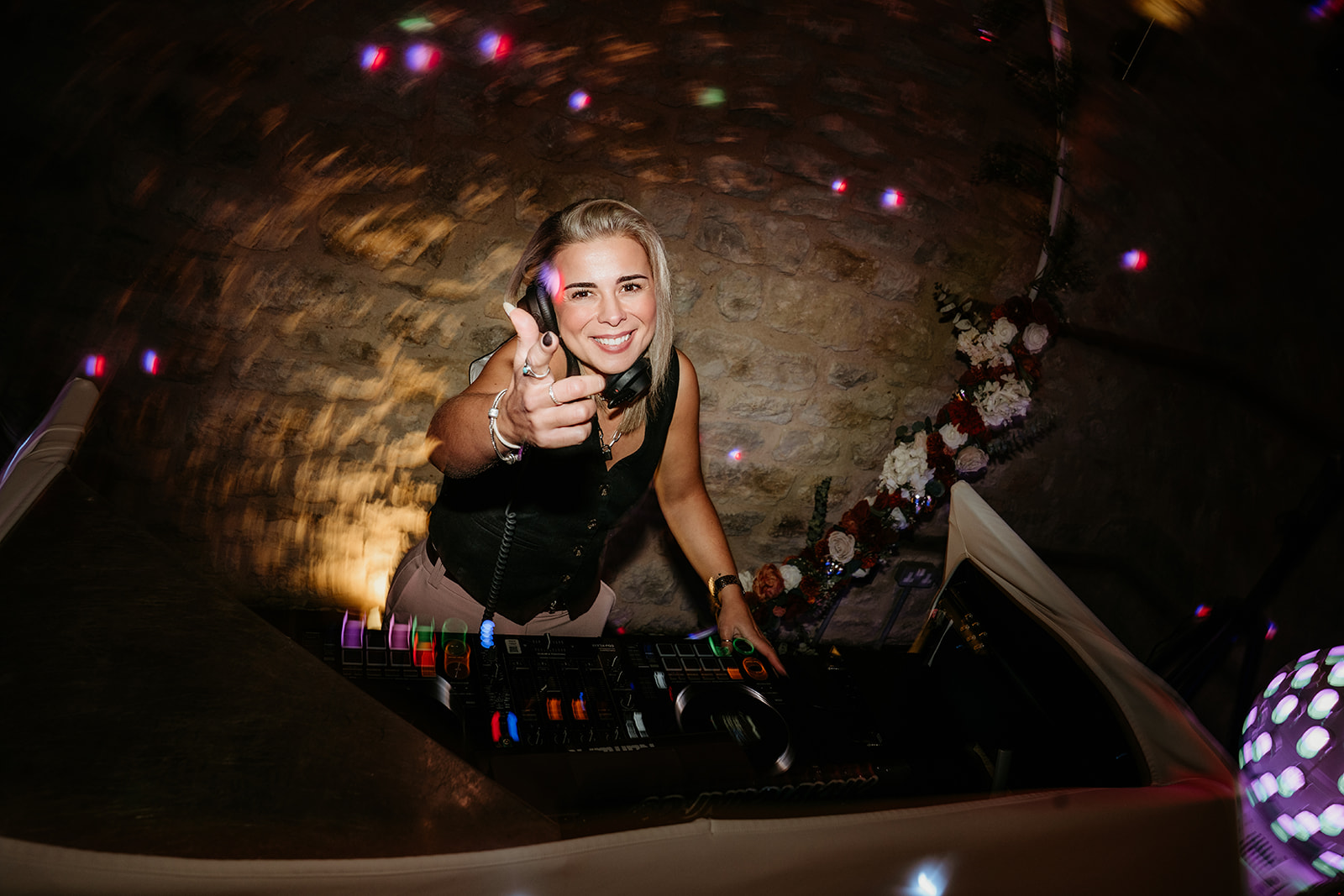
A good DJ for a disco wedding is not just any wedding DJ. You're looking for someone who actually knows the music: who understands that "Le Freak" and "Good Times" by Chic have different energies and different moments in a set, who knows when to bring the tempo down before building it back up, who has strong opinions about whether you play the full seven-minute version or the radio edit. Ask them directly. If they can't have that conversation fluently, they're probably not your person.
Live music is worth considering seriously for at least part of the evening. A five-piece soul and funk band playing the first hour of the reception, followed by a DJ taking over for the rest of the night, is a combination that consistently produces the most electric atmospheres. The band creates an event; the DJ sustains it. We've seen this format work brilliantly at venues across the north of England and Scotland in particular, where guests tend to commit to the dance floor early and stay there.
For the ceremony itself, if you want to carry the disco thread all the way through, think about what that actually means in practice. Walking down the aisle to a stripped-back orchestral version of "I Feel Love" is very different from walking down to the original Donna Summer recording. Both can work. Know which one you're choosing and why. And if you're having a church ceremony, have that conversation with your officiant early, because some clergy have stronger views on this than others.
How a disco wedding looks through a lens.
Here's something we've noticed from having our cameras at enough of these: a disco wedding is one of the most visually exciting briefs you can give a photographer or videographer, and also one of the most technically demanding. The lighting environment is constantly changing. You have deep shadows, coloured gels, moving lights, and moments of near-darkness punctuated by bursts of brightness. If you're booking someone to photograph and film your day, make sure they've shot in this kind of environment before and that you've seen examples of their low-light and artificial-light work specifically.
The mirror ball is the thing everyone wants in their photos, and rightly so. But it needs to be positioned well. A mirror ball that's too far from your main light source just looks like a silver sphere. One that's catching a strong beam creates those iconic scattered dots of light across the room and across people's faces, and that's the image you're imagining when you plan this. Talk to your venue coordinator and your lighting supplier together, ideally before you finalise anything, so everyone understands what the goal is.
For portraits, the early evening is your window. The soft light before the venue's evening lighting fully takes over is where you'll get the most flexible, timeless images. After that, you're working with the atmosphere of the room, which is its own kind of magic but requires a different approach. Some of our favourite frames from disco weddings have been taken at 10pm with the dance floor in full swing, the mirror ball doing its thing overhead, and the couple completely lost in the music.
We cover both photography and film for weddings all across the UK, and a disco wedding is honestly one of the most rewarding briefs to get, because the energy in the room by the time the evening gets going is something you genuinely feel in the footage as well as see in the stills. If you're planning something like this and want to chat through what to look for in a creative team, we'd love to hear from you.
Where to spend and where to hold back.
The disco wedding trend has a slightly unfortunate reputation for being expensive to do well, and we'd push back on that a little. The things that make a disco wedding look cheap are almost never the things that cost the most money. They're the things that weren't thought through: the wrong fabric, the wrong lighting temperature, the DJ who doesn't know the music, the stationery that was clearly bought from a generic template site and printed at home on the wrong paper stock.
Where you should genuinely invest:
- Lighting. This is non-negotiable. A professional lighting rig from a company that specialises in event production (not just a DJ who owns some uplighters) is the single biggest difference between a disco wedding that looks expensive and one that doesn't. Budget properly for this and treat it as seriously as the florals.
- The DJ or band. As above. Someone who knows the genre and can read a room is worth every penny of the premium they charge over a generic wedding DJ.
- Your outfit. This is a wedding where what you're wearing really matters to the overall picture. A dress or suit that fits the era and the aesthetic you've chosen will photograph and film in a completely different way to something that doesn't quite commit.
Where you can be more relaxed about spending:
- Florals don't need to be enormous or complex; bold colour choices in simpler arrangements often read better in a disco setting than elaborate English-garden-style arrangements
- Favours are largely irrelevant to the overall feel of the evening; redirect that budget elsewhere
- A smaller, more considered guest list often produces a better atmosphere than a large one where not everyone is equally invested in the theme
The honest truth is that a disco wedding with 80 guests who are all in on it will consistently outperform one with 150 guests where half of them weren't quite sure what they were coming to. Commitment is the ingredient that money can't buy.
Quick wins
- PICK YOUR ERA: Early seventies funk, peak Studio 54, or post-disco soul: know which one you're doing before you make any other decision, and let that choice guide everything from florals to fabric.
- INVEST IN LIGHTING: A professional lighting rig from an event production specialist is the single biggest factor in whether your disco wedding looks considered or cheap. Treat it like the florals budget.
- BRIEF YOUR DJ PROPERLY: Ask them specific questions about the music. If they can't talk fluently about the genre, the set structure, and how they'll read the room, keep looking.
- RESTRAIN THE DETAILS: One large mirror ball beats twelve small ones. Deep velvet linen beats gold plastic. Every detail should look like a considered choice, not a bulk purchase from a party supply website.
Frequently Asked Questions
How do I make a disco wedding look elegant rather than kitsch?
Commit to a specific era and build a cohesive colour palette from there. Restraint is the key: one or two strong disco signifiers done well (a beautiful mirror ball, the right lighting, velvet table linen) will always read more elegantly than throwing every disco element into the same room.
Can a disco wedding work in a traditional venue like a country house or a church?
Yes, and often the contrast is part of what makes it work so well. A Georgian country house with a mirror ball and a full funk band in the ballroom has a genuine sense of occasion to it. The key is making sure the daytime aesthetic feels like it belongs in the venue, and then letting the evening feel like a deliberate, joyful shift.
What should the wedding party wear at a disco-themed wedding?
It depends on how far you want to commit. Some couples go full era-specific with wide lapels and palazzo trousers; others simply ask the wedding party to wear something in the colour palette with a bit of shimmer or texture. Both approaches can work, but make sure your bridesmaids and groomsmen are genuinely comfortable with the brief before they order anything.
Is a disco wedding theme still going to feel current in 2026?
The disco aesthetic has been building for a few years now and it's showing no signs of fading, partly because it's rooted in genuinely good music and a strong visual language rather than a passing social media moment. A well-executed disco wedding will look timeless in photographs because the references are classic, not trend-driven.