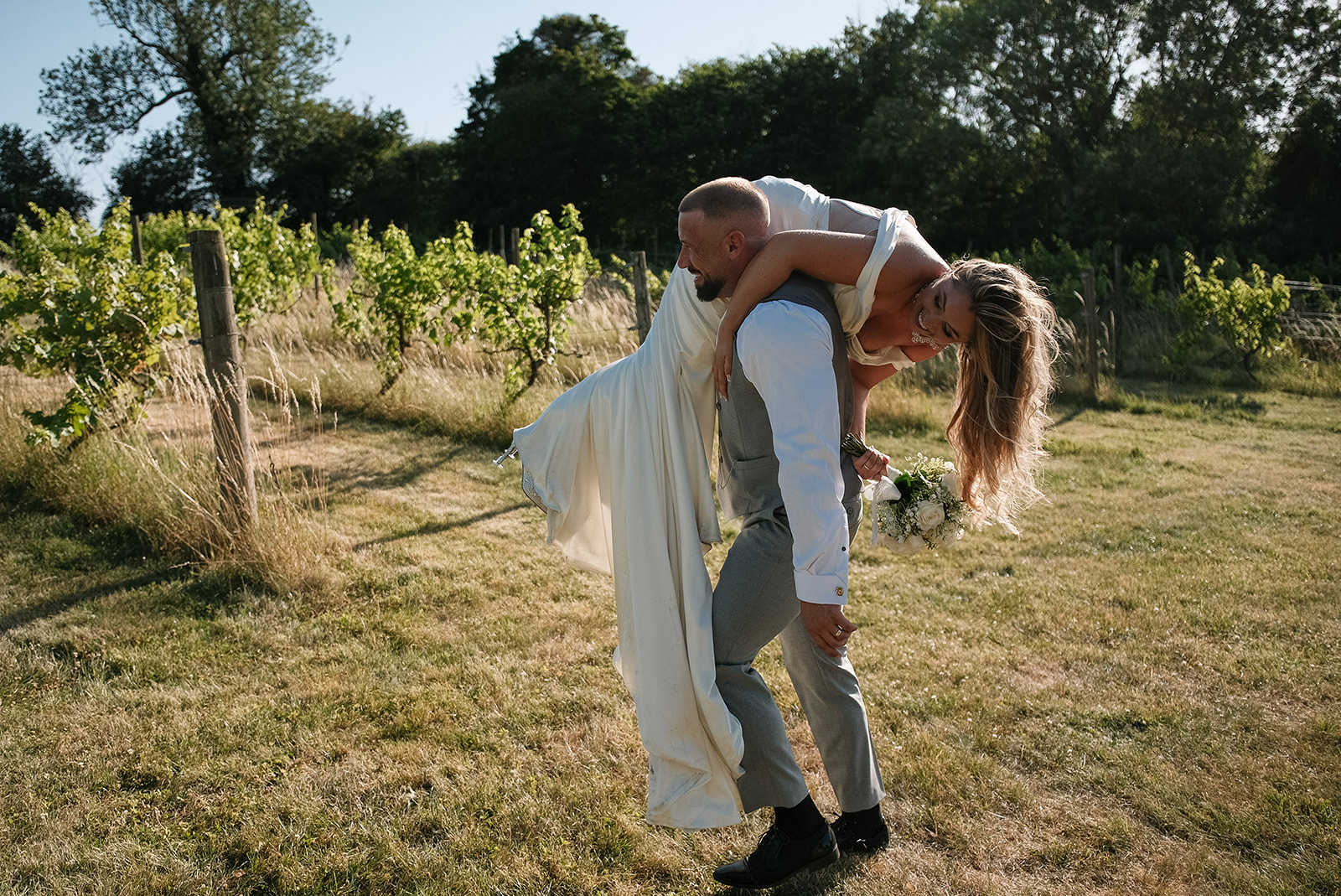
At a wedding we filmed at Brinkburn Priory in Northumberland a couple of summers ago, the couple had painstakingly arranged seating for 120 guests. By the time the wedding breakfast started, four tables were short because guests had simply not RSVPed and then turned up anyway, and two seats sat empty because people had confirmed and vanished. The venue was brilliant about it, the couple were gracious, but we could see the quiet stress behind their smiles. The whole thing could have been avoided. And honestly, this is why wedding guest etiquette in the UK deserves a proper conversation, not just a polite mention on a wedding website.
What Wedding Guest Etiquette in the UK Actually Means in 2026
Guest etiquette isn't a rigid set of Victorian rules. It's really just about being a considerate person at someone else's most important day. But the specifics have shifted a lot in recent years: digital RSVPs have made ghosting easier, gift lists have moved online, dress codes have become more creative and therefore more confusing, and the rise of destination weddings and Friday ceremonies has added new wrinkles around scheduling and plus-ones.
So whether you're a guest trying to do right by your friends, or a couple wondering how to communicate expectations without sounding demanding, this guide covers the bits that actually cause friction. We've seen them all from behind the lens across England, Scotland, Wales, and Northern Ireland, and we have a lot of thoughts.
RSVPs: The Single Biggest Source of Wedding Stress
Here's something couples don't always realise until they're in the thick of it: catering quotes are usually locked in two to three weeks before the wedding. Florists need final numbers. Venue coordinators need final numbers. Stationers need final numbers for place cards. Every single supplier downstream of the RSVP depends on it. When guests treat the deadline as a suggestion, it creates a ripple effect that costs the couple real money and real anxiety.
The etiquette rule here is simple: reply by the date on the invitation, not the day before, not two weeks after. If the invitation asks you to respond by the 1st of May, the 1st of May is when you respond. If you genuinely don't know whether you can attend, say so honestly and communicate directly with the couple, don't leave them chasing you on WhatsApp at 11pm while they're trying to finalise their seating chart.
And if your circumstances change after you've confirmed? Tell them as soon as possible. A cancellation a week out is hard; one the night before is genuinely disruptive. Suppliers don't always offer refunds for late drops, which means the couple may end up paying for a meal that nobody ate.
Plus-Ones and Children: Read the Invitation Carefully
This one causes more awkward conversations than almost anything else. If the invitation is addressed to you by name only, that's intentional. If it says "and guest", you have a plus-one. If it says "and family", children are welcome. Assuming otherwise and asking to bring additional people puts the couple in a genuinely uncomfortable position, because they either have to say no (awkward) or say yes and scramble to find the space and budget for extra guests they hadn't planned for.
Children at weddings is its own conversation. Some couples love the chaos and joy of it; others have specifically chosen an adult-only celebration for perfectly valid reasons. If the couple has asked for an adults-only day, please respect that. It isn't a comment on your children or your parenting. It's a logistical and atmospheric decision that they've made for their own wedding.
Wedding Gifts: What's Expected and What's Actually Appreciated
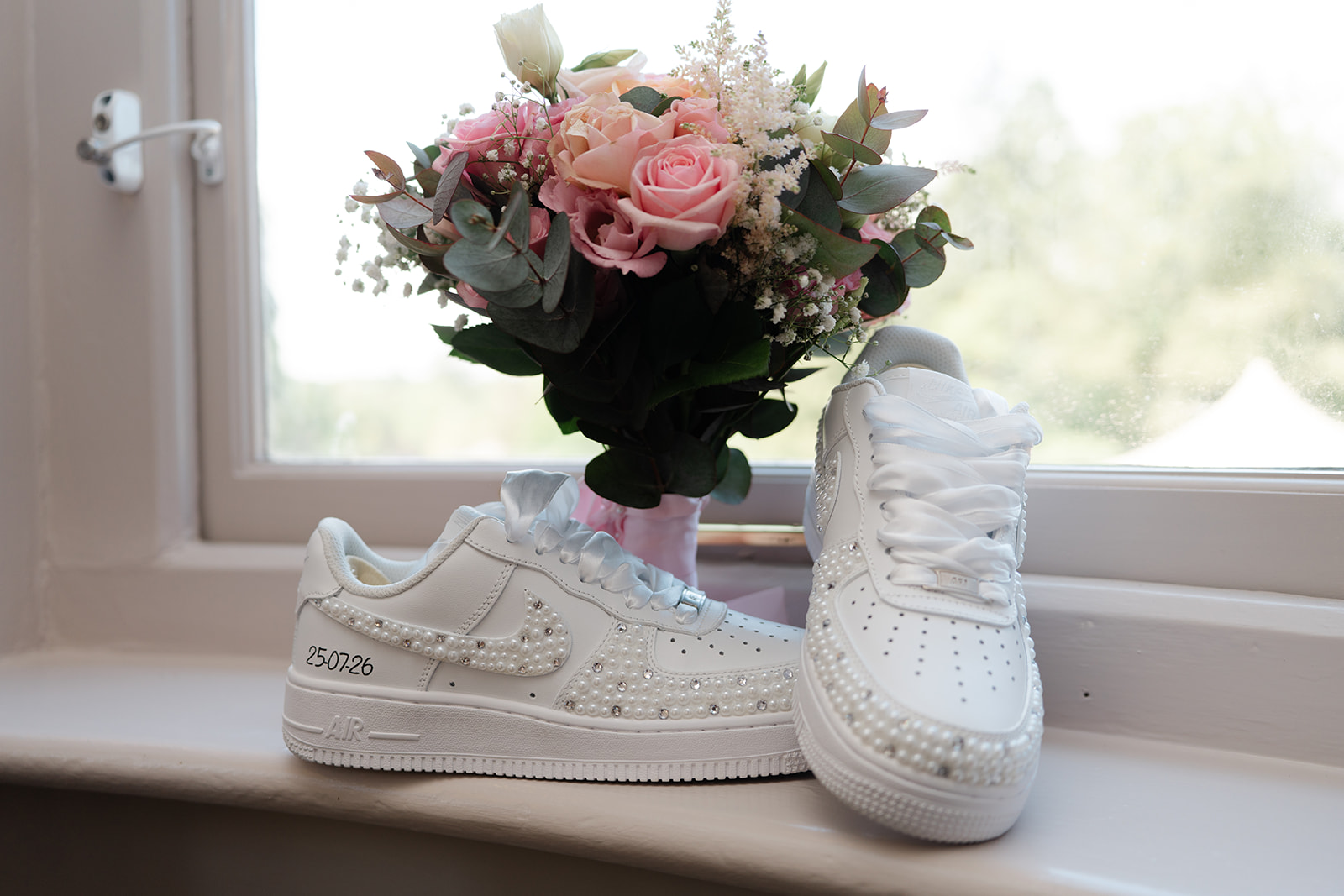
The honest answer to "do I have to bring a gift?" is: no, but it's considered good manners to mark the occasion in some way. The more nuanced answer is that expectations vary wildly depending on how close you are to the couple, the formality of the wedding, and the couple's own wishes, which they'll usually communicate through their wedding website or gift list.
Gift Lists and How to Use Them
Most UK couples now use an online gift list, through platforms like Prezola, Hitchd, or a curated John Lewis registry. These lists exist to make your life easier, not to tell you what you must spend. Buying something from the list means the couple actually wants it and doesn't already have it. Going rogue with a "more personal" gift, especially a large decorative item or something for the home, risks duplicating something they already own or giving them something they have to quietly donate to a charity shop.
If you want to give something personal alongside a list gift, a handwritten card with a genuine message often means more than an expensive spontaneous purchase. We've watched couples at the end of a long wedding night sit down and read their cards together, and those moments are something else entirely.
How Much Should You Spend?
There's no official figure, and anyone who tells you there is a strict rule is making it up. A rough starting point that most wedding professionals would recognise: close family might spend £100 or more per couple, good friends £50-£100 per couple, colleagues or more distant acquaintances £25-£50. These aren't rules; they're just ballpark figures based on what we observe at hundreds of weddings a year. The most important thing is that you give something, even if it's modest, rather than nothing at all.
If a couple has asked for contributions to a honeymoon fund rather than physical gifts, that's a completely legitimate request and one that's become very common in the UK. Contributing to their flights to Sri Lanka or a night in a Maldives overwater bungalow is a perfectly lovely thing to do.
Dress Codes: Decoding What Couples Actually Mean
UK couples have got creative with dress codes, and some of the terminology has become genuinely confusing. Here's a practical breakdown of the most common ones:
- Black tie: Floor-length gown or a sharp tuxedo. This is not the occasion for a cocktail dress and heeled boots, however stylish they are.
- Formal or lounge suit: Suits for men, dresses or tailored trouser suits for women. Smart and polished without the full formality of black tie.
- Smart casual: This is the one that trips people up. It means effort without formality: a nice midi dress, tailored trousers and a blouse, a blazer over a shirt. Jeans are almost always a no, even dark ones.
- Garden party or summer garden: Floral, light fabrics, hats welcome. Think Ascot-adjacent but without the competitive millinery.
- Festive or winter woodland: Velvet, jewel tones, texture. A good opportunity to lean into something more dramatic.
The unspoken rule that applies to every dress code: don't wear white, ivory, cream, or anything that could read as bridal. This includes champagne if it photographs white. We've genuinely seen this cause tension at receptions, and it's so easily avoided.
What to Wear to a Scottish Wedding
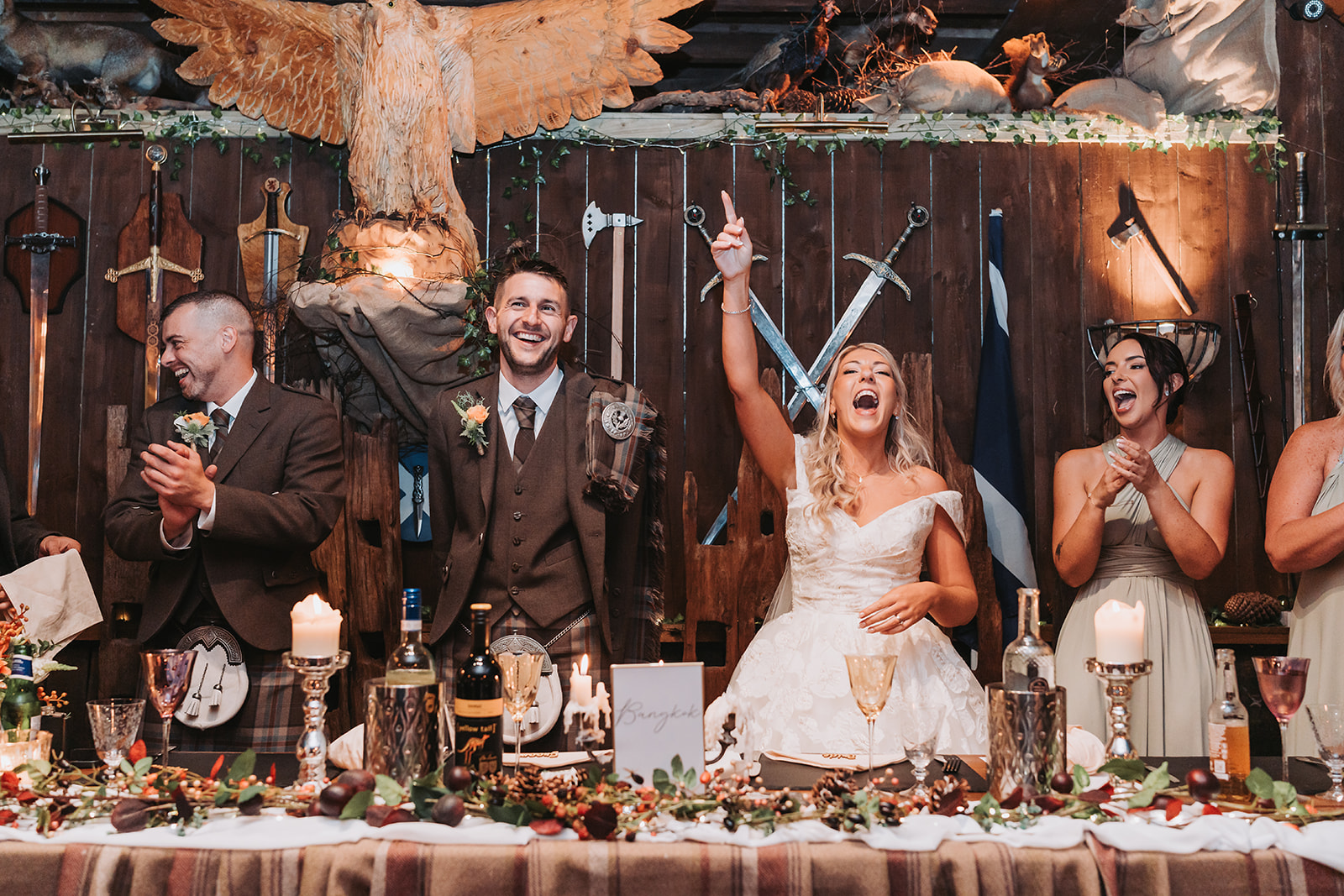
If you're attending a Scottish wedding, particularly one with a ceilidh, it's worth knowing that kilts are welcomed and celebrated, even on guests who aren't Scottish. If the invitation mentions Highland dress, men can hire a kilt without any awkwardness; it's genuinely appreciated as a mark of respect for the tradition. Women might choose something that moves well for dancing, because a ceilidh is not a spectator sport.
Behaviour on the Day: The Bits Nobody Says Out Loud
Most of what follows is common sense, but common sense has a way of disappearing at open bars.
Phones and Unplugged Ceremonies
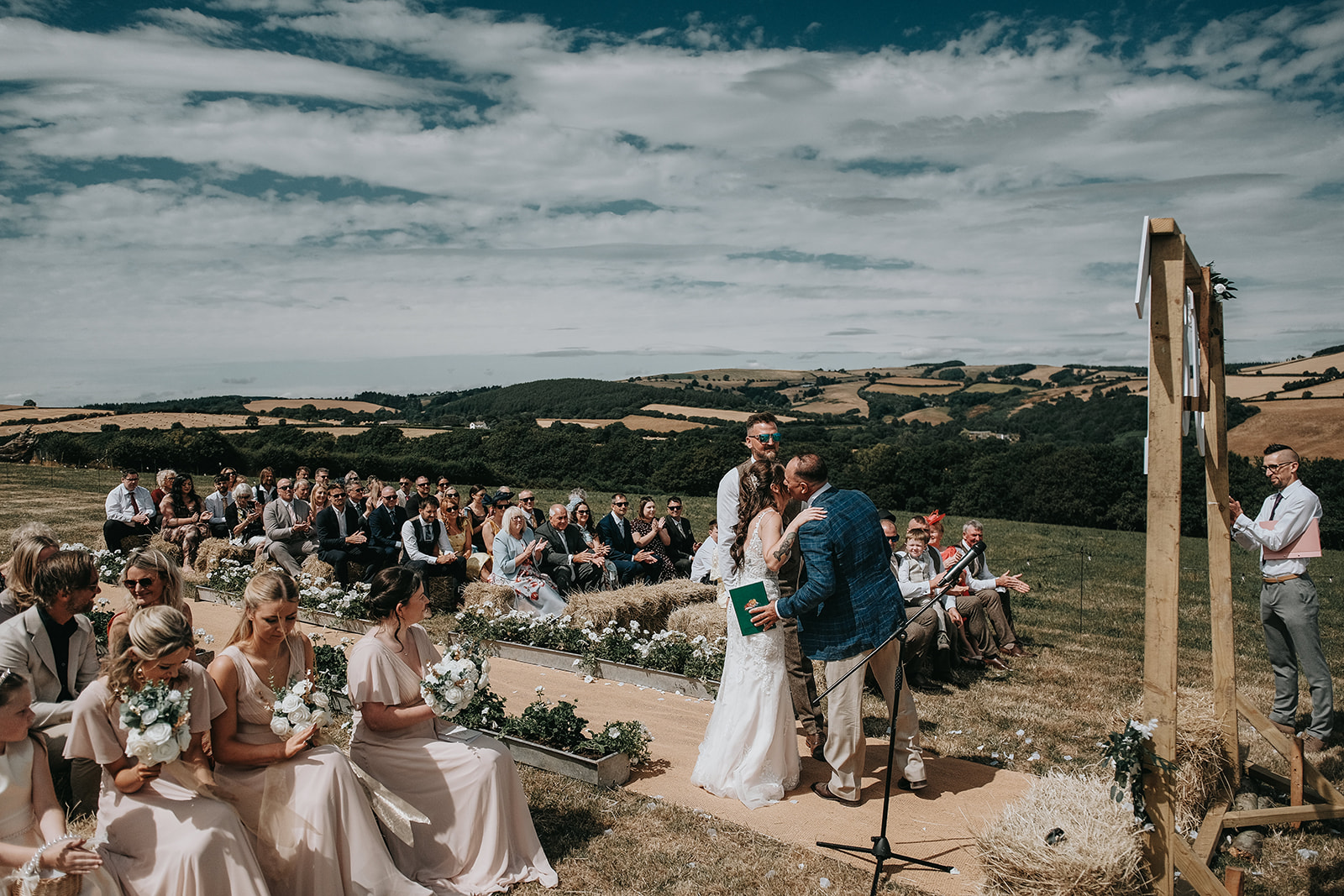
More and more UK couples are requesting unplugged ceremonies, and we think it's one of the best decisions a couple can make. When guests have their phones up during the aisle walk, they block sight lines for the professional photographers and videographers, and they create a sea of glowing rectangles in otherwise emotional images. If the couple has asked you to put your phone away during the ceremony, please do it. The professional team will have everything covered; you don't need to be a backup photographer.
Even if there's no official unplugged request, resist the urge to photograph the ceremony from your seat. Watch it instead. You'll remember it better.
Speeches and Toasts
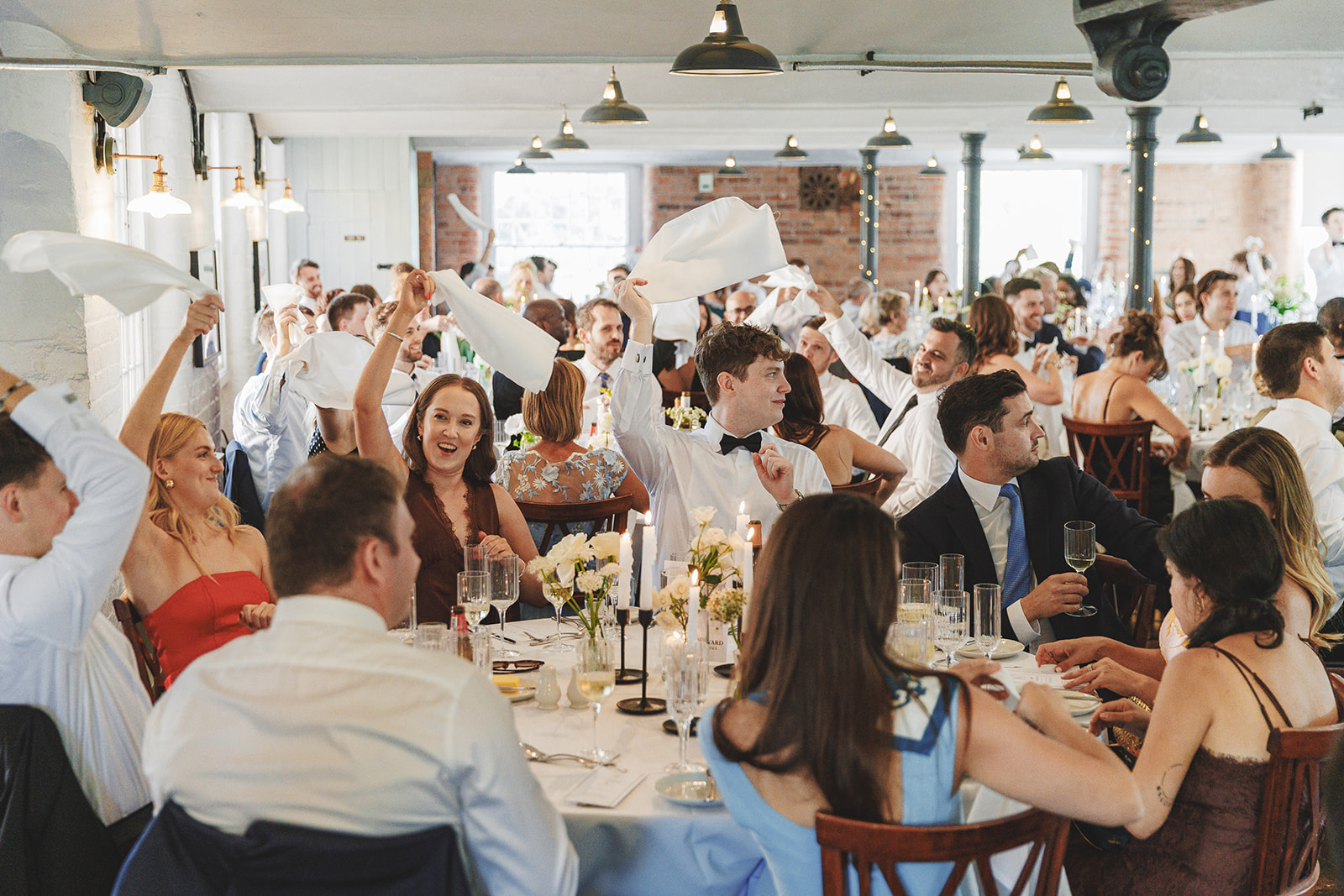
Listen during speeches. This sounds obvious but receptions are loud, and the temptation to keep a side conversation going is real. Speeches are usually personal, often moving, and sometimes hilarious, and the couple has spent weeks (or months) worrying about how they'll land. Give the speakers your attention. Laugh when it's funny, be quiet when it's tender, and raise your glass when it's time.
Social Media and Tagging
Check with the couple before posting photos from the day, especially anything from the ceremony or before the couple has shared their own images. Some couples want to control when and how their wedding appears online; others are completely relaxed about it. If in doubt, ask. And never tag a couple in unflattering or candid photos without their permission.
Frequently Asked Questions
Is it rude to not bring a wedding gift to a UK wedding?
It's considered poor etiquette to attend a UK wedding without acknowledging the occasion with a gift or card, even if the couple hasn't specified a gift list. You don't need to spend a lot, but a thoughtful card with a heartfelt message, or a small contribution to a honeymoon fund, is always appreciated. If you're in genuine financial difficulty, a heartfelt card is entirely acceptable and most couples will understand completely.
How soon after a wedding should you send a gift if you couldn't attend?
If you couldn't attend but were invited, it's polite to send a gift or card within a few weeks of the wedding date. There's an old tradition that says you have up to a year, but in practice, sooner is warmer. A gift arriving a few weeks after the wedding, with a kind note about wishing you could have been there, lands much better than one that arrives eight months later.
Can I bring a plus-one to a UK wedding if I wasn't given one on the invitation?
No, not without asking first, and even then, be prepared for the answer to be no. Invitations are carefully considered and guest lists are usually constrained by venue capacity and budget. If your invitation is addressed to you alone, assume it's intentional. If you're in a serious relationship and feel it's genuinely important, you can ask the couple quietly and directly, but accept their answer graciously either way.
What does wedding guest etiquette say about leaving early?
If you need to leave before the end of the evening, let the couple know in advance if possible, and slip out quietly between events rather than during a first dance or speech. Saying goodbye to the couple directly is a lovely touch if they're accessible, but don't pull them away from other guests for a lengthy farewell. A message the following day thanking them for a wonderful day is always a warm gesture regardless of when you left.
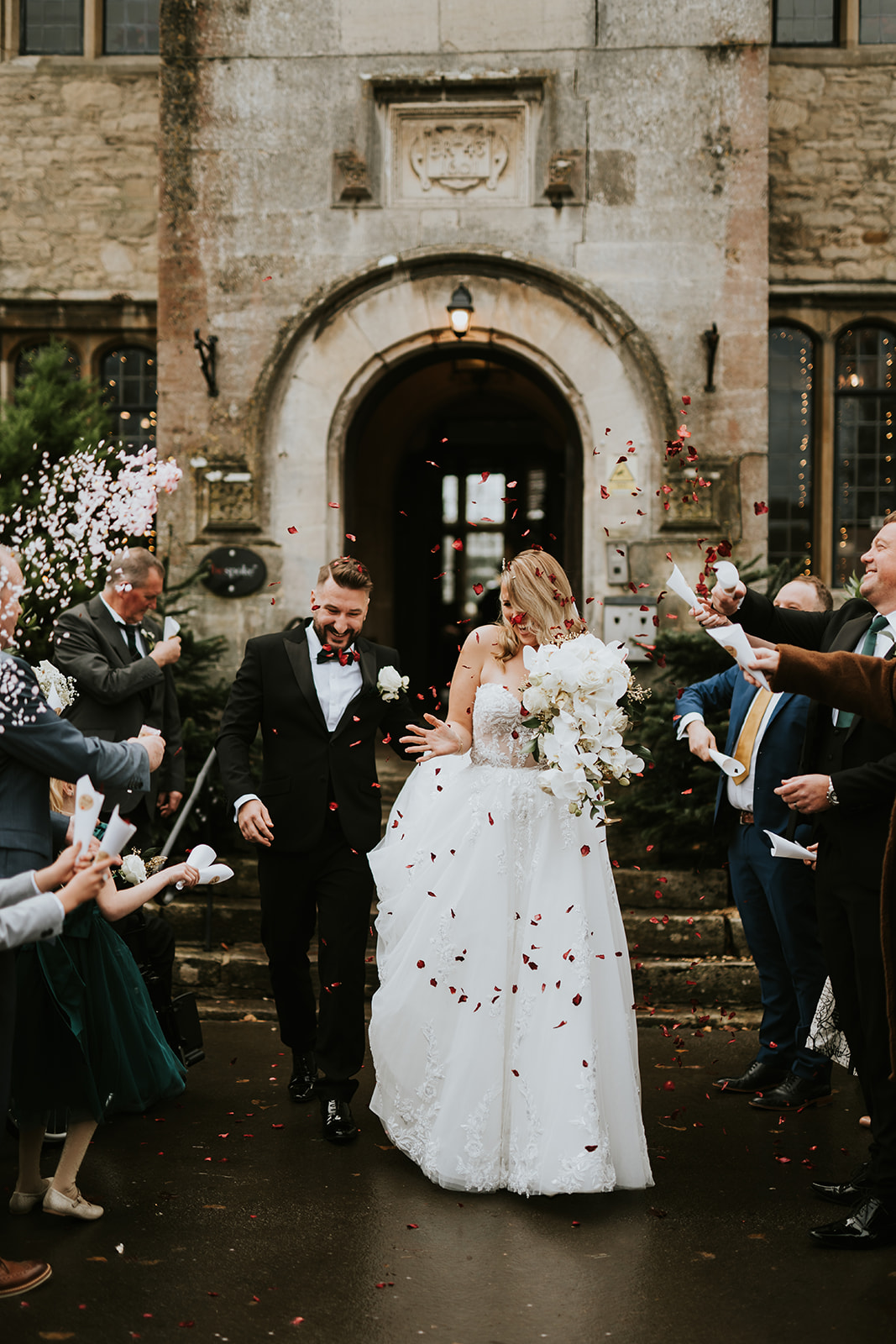
If you're planning your wedding and want a team who'll be there for every moment of it, from the quiet getting-ready hours to the last song of the night, we'd love to hear about your day. Big Day Productions covers weddings across the UK with both photography and film, or both together if you'd like the full picture.
For a practical next step, explore our wedding planning guide.