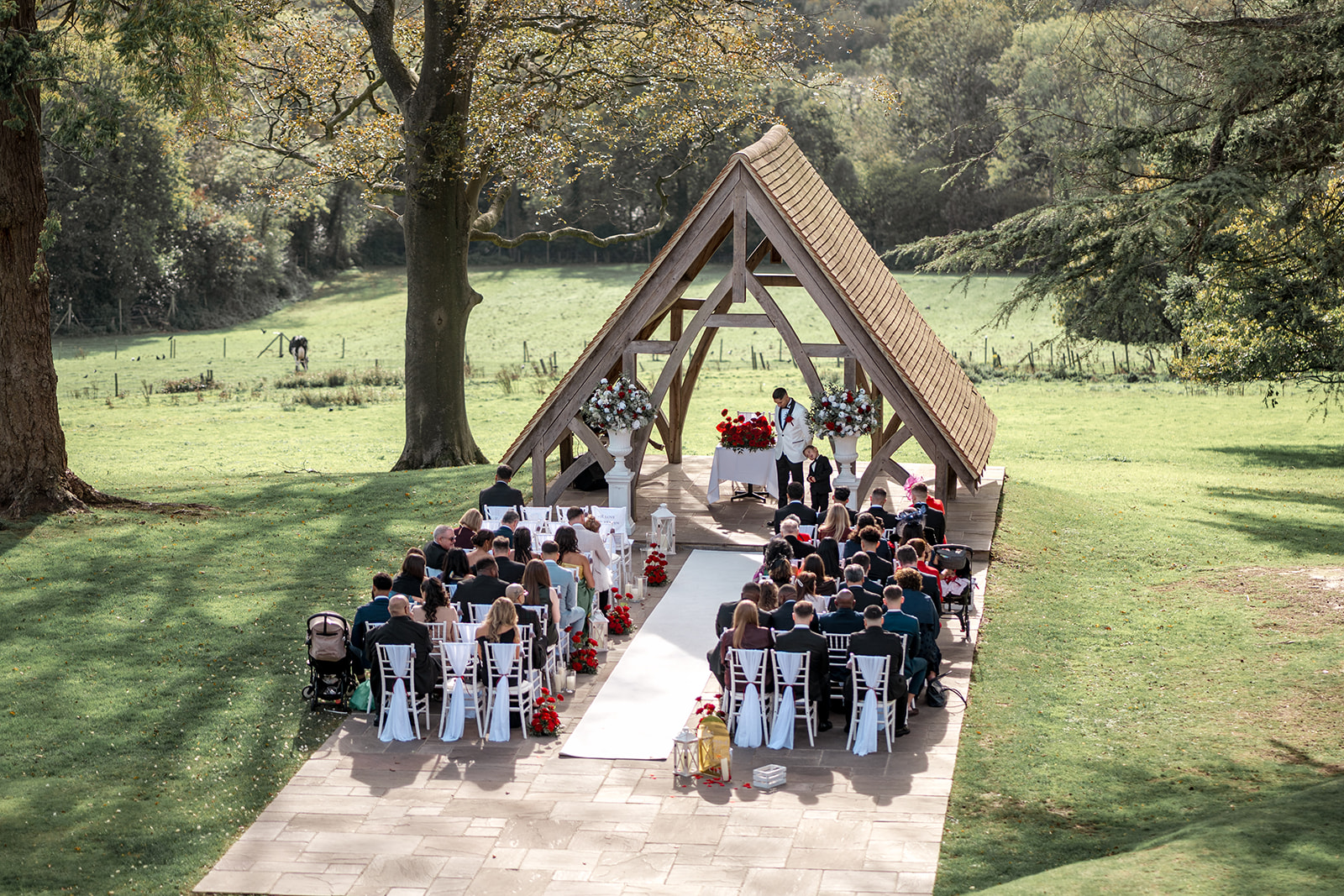
Every year, hundreds of British couples stare at the same Pinterest boards: a villa on Lake Como, a Tuscan hillside, a candlelit barn in the Cotswolds. Here's what actually happens when they have to choose.
Lake Como vs Tuscany vs UK the choice nobody warns you about.
We've worked with couples who've agonised over this for months. They come to us having saved two or three dream locations on Instagram, sometimes all three at once, and the question is always the same: which one is actually worth it? The honest answer is that Lake Como, Tuscany, and a UK wedding are solving three completely different problems. They're not interchangeable options on a list. Each one asks something different of you, your guests, and your budget.
Lake Como is about spectacle. It's the mountains reflected in flat grey-blue water, the boat transfers, the feeling that you've stepped into a film set. Tuscany is about warmth in every sense: the light, the food, the long lunches that turn into long evenings. A UK wedding, done well, is about depth. It's where your grandmother can actually get there, where the venue has its own story woven into the landscape, and where the weather, yes, even the weather, can produce light that we'd genuinely stack against anywhere in Europe.
The Lake Como vs Tuscany vs UK debate comes up in almost every destination enquiry we receive, and what we've noticed is that couples who choose purely on aesthetics often end up slightly disconnected from their own wedding day. The ones who choose based on what they actually value, the guest experience, the food, the ease of logistics, the season, end up with a day that feels like them. That's the only framework worth using.
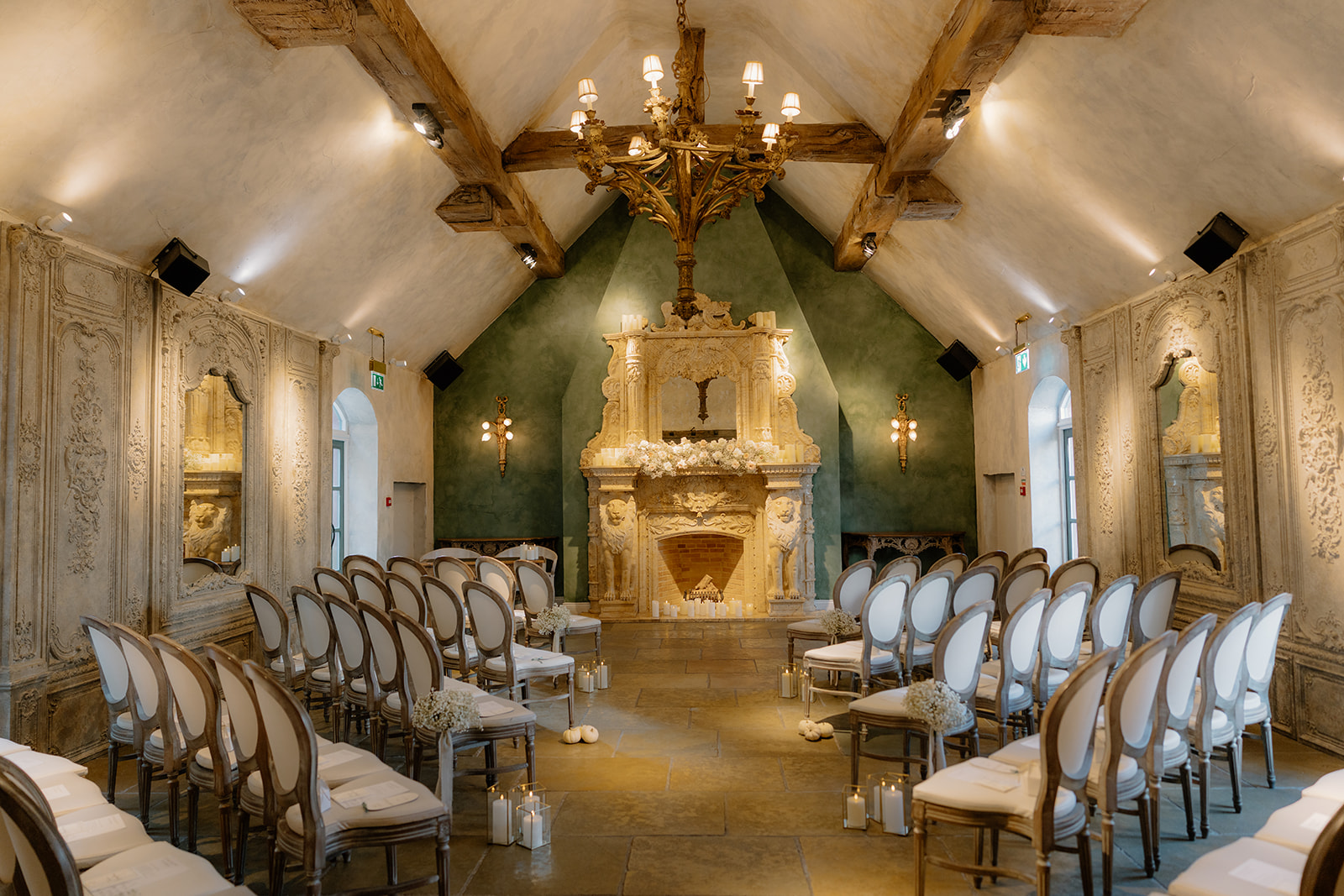
The case for Como glamour with real logistics.
Lake Como is genuinely one of the most photographed wedding destinations in the world, and for good reason. The light bouncing off the water in late afternoon, the terracotta walls, the cypress trees. It earns every bit of its reputation. But here's what we see couples underestimate: Como is logistically demanding in a way that Tuscany simply isn't.
Getting guests there involves either Milan Malpensa or Bergamo Orio al Serio, then either a train, a taxi, or a boat transfer to the venue. For a guest list of sixty-plus, that coordination becomes a part-time job. Venues on the lake itself, the ones actually on the water rather than on the hillside above it, are limited and book up eighteen months to two years in advance for peak summer dates. Budget-wise, you're looking at a significant investment: venue hire, catering minimums, boat transfers, accommodation across multiple properties, and supplier travel costs all add up faster than most couples expect.
That said, the couples who choose Como and commit to it fully tend to have a very specific guest list in mind: smaller, closer, people who'll genuinely embrace the adventure of it. We've seen Como weddings of thirty guests that felt electric. Sixty guests who'd never met each other before felt chaotic. The venue rewards intimacy.
- Best months: May, early June, and September (July and August are beautiful but crowded and hot in a way that's uncomfortable for formal wear)
- Typical guest list: 20-60 people works best
- Lead time needed: 18-24 months for waterfront venues
- What it does brilliantly: Drama, romance, a sense of occasion that's genuinely hard to replicate
- What it struggles with: Large guest lists, guests with mobility issues, last-minute planning
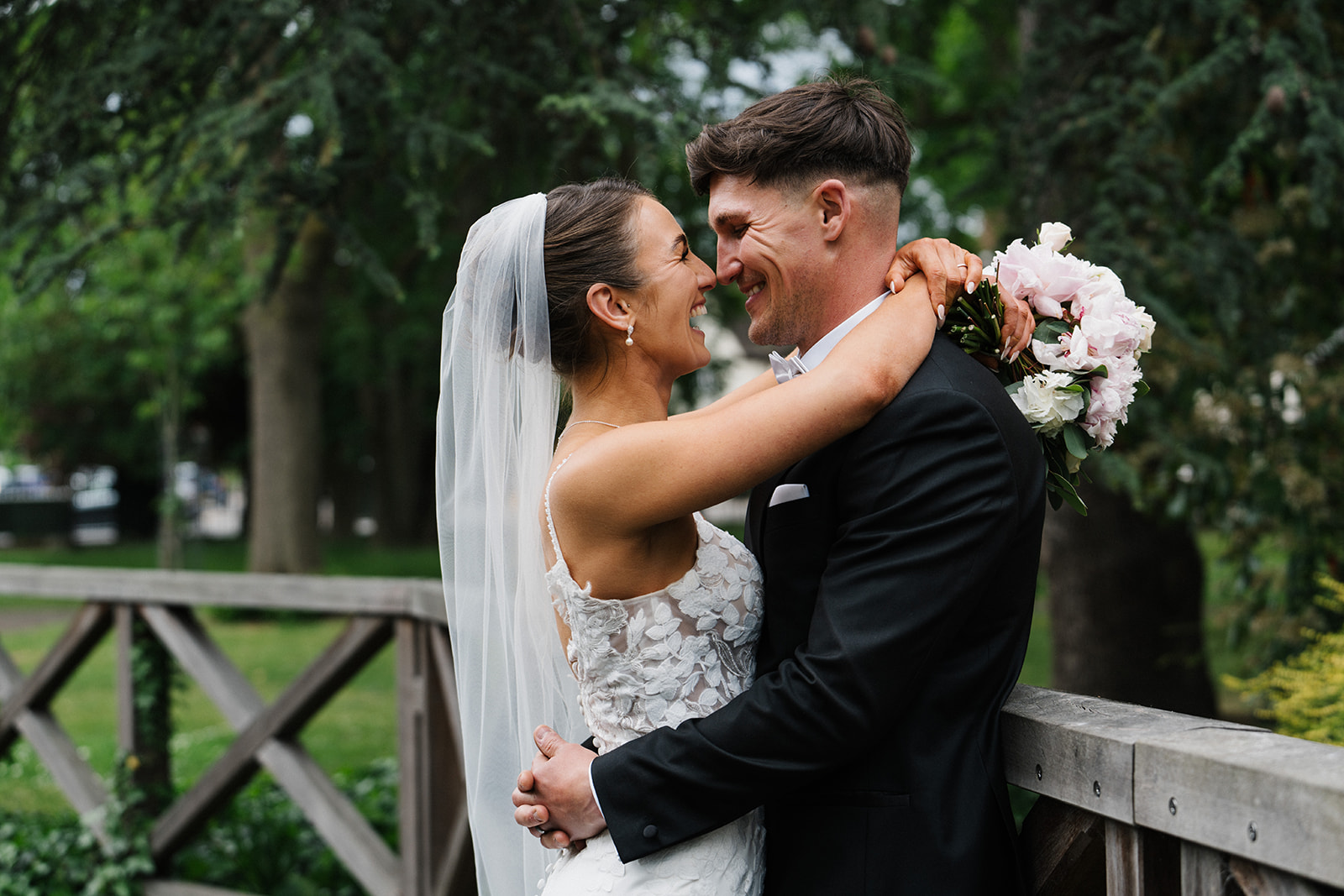
Why Tuscany converts so many and who it's actually right for.
If Lake Como is a film set, Tuscany is a long meal with everyone you love. It's the destination that works for the widest range of couples because it's genuinely flexible: you can do an intimate elopement in a medieval tower or a 120-person celebration at a converted farmhouse with its own vineyard. The infrastructure for wedding tourism is mature here in a way that makes planning less stressful than Como, with more venues, more catering options, and a slightly longer window of comfortable weather.
The Val d'Orcia, the hills around Siena, the Chianti region: each has its own character, and honestly the differences between them matter. Val d'Orcia is the one with the rolling cypress-lined roads you've seen on every wedding blog; it's as good in person as it looks in photographs. Chianti is greener, wilder, and slightly less polished, which some couples prefer. We'd always encourage couples to visit in person before committing, because Tuscany in a brochure and Tuscany in late October when the grapes are being harvested are two different experiences, and both are worth having.
The thing Tuscany does better than anywhere else is the multi-day celebration. Many venues are self-contained estates where your whole guest list can stay on-site, which changes the energy of a wedding completely. There's a welcome dinner the night before, a long lazy Sunday breakfast after, and the wedding itself becomes the centrepiece of a proper trip rather than a single-day event. For couples whose families are spread across the UK and who want everyone to actually spend time together, this format is hard to beat.
Costs in Tuscany have risen sharply over the past few years, so don't go in expecting it to be cheaper than the UK. It probably won't be. But the value for money, in terms of what you get for the spend, often feels higher because the setting does so much of the work.
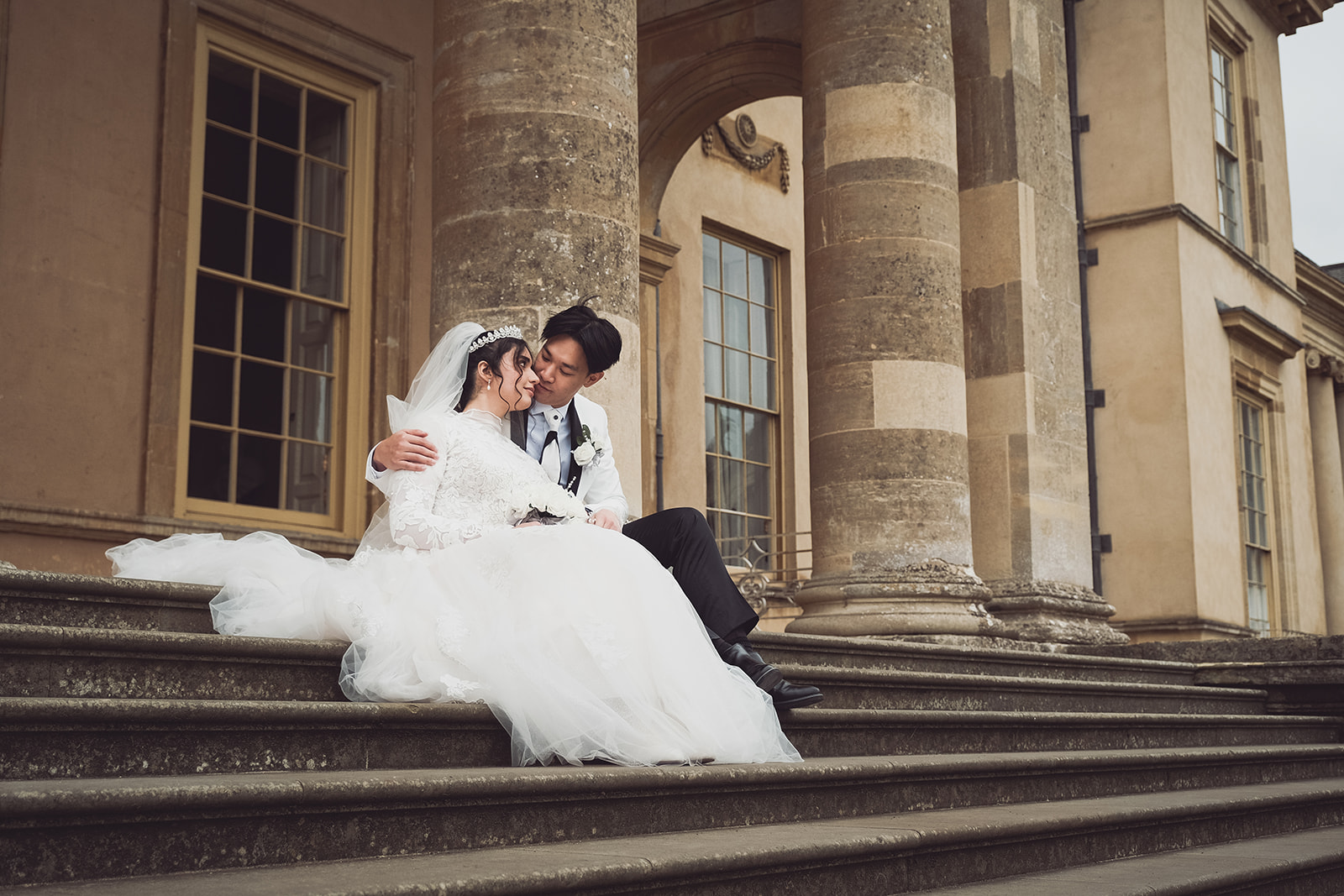
The UK option is having a moment and it's not hard to see why.
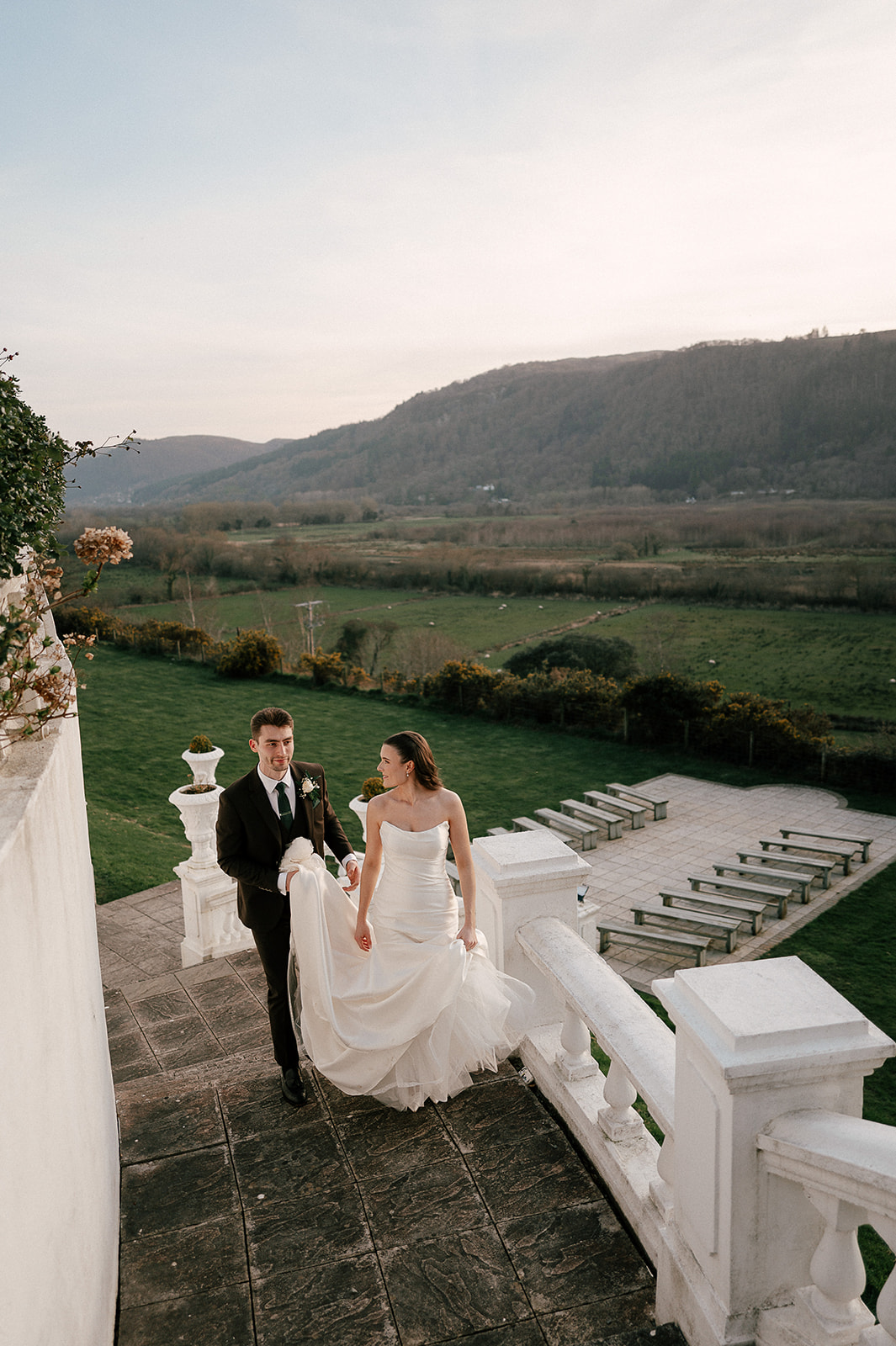
Something has shifted in the past couple of years. Couples who might previously have defaulted to Italy are looking harder at what the UK actually offers, and what they're finding is surprising them. We've shot weddings in Northumberland, the Scottish Highlands, the Wye Valley, coastal Cornwall, and the Yorkshire Dales, and the honest truth is that some of those days have produced the most extraordinary images we've ever made, not because we're particularly clever, but because the light and landscape were doing things that a Tuscan hillside simply can't replicate in November.
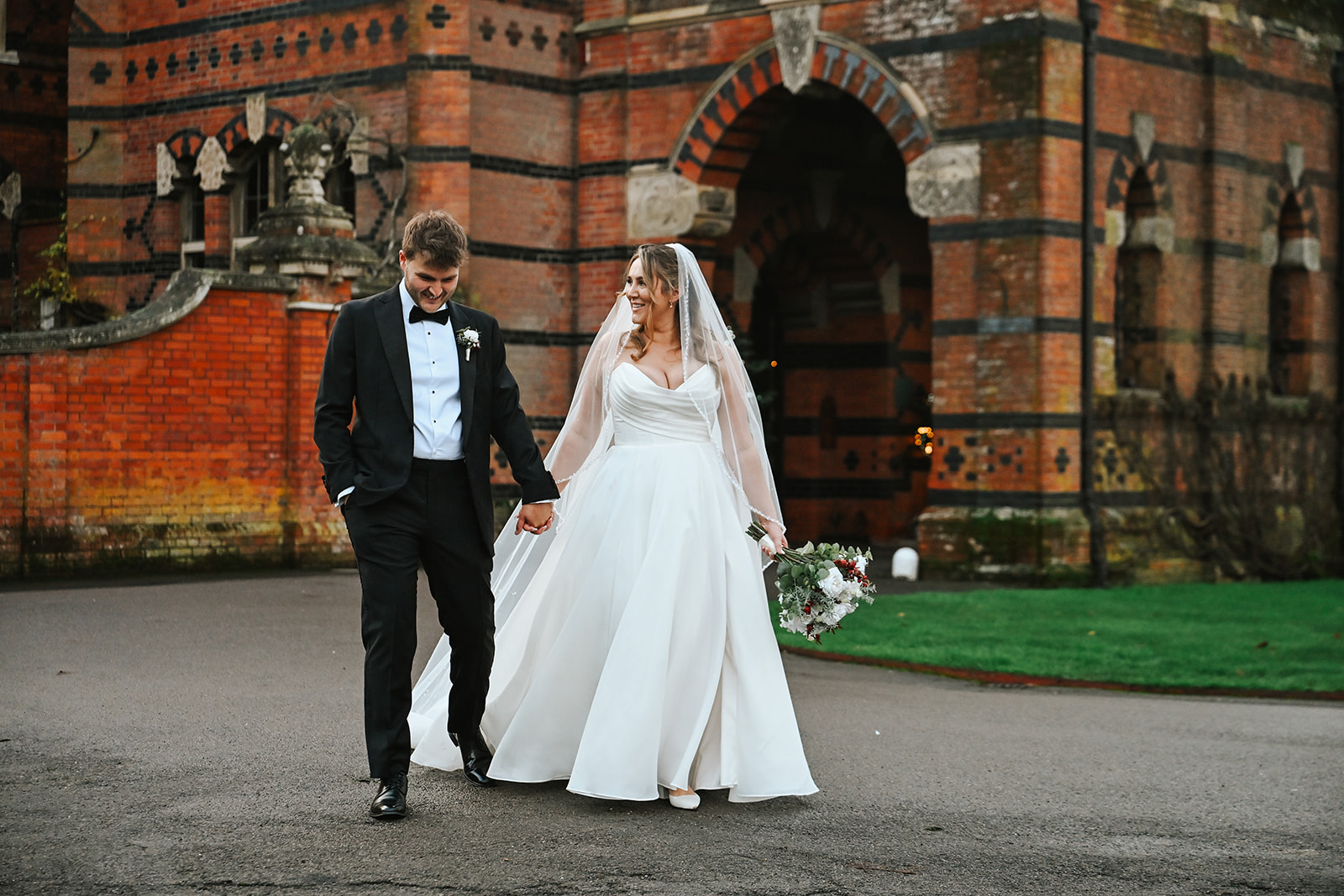
The UK case rests on a few things that tend to get undervalued in the destination wedding conversation. First, accessibility: when your grandmother can get the train and your best friend doesn't need to apply for time off six months in advance, the guest list fills out differently. People are more relaxed when they haven't spent four hours in transit. Second, supplier relationships: working with a caterer, florist, or band who knows the venue, who's done the loading-in a dozen times before, who knows the quirks of the kitchen, makes a real difference to how the day runs. And third, the venues themselves. The UK has a depth of interesting, characterful spaces, from converted Victorian glasshouses in Glasgow to medieval tithe barns in Herefordshire to cliff-top gardens in Pembrokeshire, that genuinely rivals anything Europe offers in terms of variety.
The weather objection is real but overstated. Yes, you might get rain. You might also get a still October afternoon in the Scottish Borders where the light turns amber at 4pm and every single frame looks like a painting. We plan around British weather rather than against it, and couples who do the same tend to stop worrying about it fairly quickly. A good marquee, a good team, and a flexible mindset go a long way.
We cover both photography and film for UK weddings, from intimate ceremonies in a registrar's office to full country house celebrations with two hundred guests, and if you're weighing up where to hold your day, we're always happy to talk through what works where.
Budget: what couples actually spend across all three destinations.
We're not going to pretend we're accountants, but after years of working alongside couples through the planning process, we've built up a clear picture of where money actually goes. Here's a rough framework based on what we see most often for a 60-80 guest wedding:
- Lake Como: Total spend typically sits between £60,000 and £120,000 for 60 guests. Venue hire and catering minimums are high, transport logistics add up quickly, and accommodation near waterfront venues is expensive. The ceiling is effectively unlimited if you want a private villa with exclusive use.
- Tuscany: A self-contained estate for 60-80 guests usually runs £45,000 to £90,000 all-in, depending on the property and season. Multi-day packages often represent better value than single-day hire because you're spreading the cost of travel and accommodation across more time.
- UK wedding: The range here is wider than anywhere else, from around £20,000 for a carefully planned barn wedding to £80,000-plus for a full country house exclusive use. The flexibility is the point: you can make a UK wedding work at almost any budget if you're willing to be creative with the venue and suppliers.
One thing that catches couples out with Italian destinations is the cost of flying suppliers out. If your photographer, videographer, florist, and band are all UK-based, you're looking at flights, accommodation, and travel day fees on top of their usual rates. Some couples factor this in happily; others are surprised by it. It's worth having that conversation early.
How to actually decide without losing your mind over it.
We've sat across from enough couples at this stage of planning to know that the decision usually comes down to one or two things that matter more than all the others. So here's the question we always ask: who do you most want in the room with you, and what does getting them there require?
If the answer is a large extended family including elderly relatives, people with young children, or guests who don't travel much, the UK wins almost every time, not because it's a compromise, but because those guests being relaxed and present changes the whole atmosphere of the day. If the answer is a tight circle of close friends who'd jump at the chance of a long weekend in Italy, then Como or Tuscany becomes a real possibility and probably a joyful one.
The other question worth sitting with: how much of your energy do you have for the planning process? A destination wedding in Italy requires significantly more logistical coordination than a UK wedding, even with a brilliant planner involved. If you're both in demanding jobs and the planning process already feels overwhelming, adding international venue coordination, supplier travel, and guest accommodation across multiple properties can tip things into genuinely stressful territory. There's no shame in that. Some of the most heartfelt, memorable weddings we've ever been part of have been in a village church in Shropshire followed by a marquee in a field.
And finally: go and see the shortlisted venues in person if you can. Not on a screen, not through someone else's wedding photos. The way a place feels when you walk into it, the smell of the stone, the sound of the space, the view from the spot where you'll actually stand, that's the information you can't get any other way, and it's usually what makes the decision for you.
Quick wins
- GUEST LIST FIRST: Before you fall in love with a location, figure out who you most need in the room. That answer will point you in the right direction faster than any mood board.
- BOOK EARLY FOR COMO: Waterfront Lake Como venues book up 18-24 months out for peak season. If this is your shortlist, start enquiring now, not after you've confirmed the date.
- TUSCANY SUITS MULTI-DAY: Self-contained estates in Tuscany work best as 2-3 day celebrations. If you want everyone together for more than just the wedding day, this format is hard to beat.
- UK LIGHT IS UNDERRATED: Autumn and early winter light in the UK, particularly in Scotland, Wales, and the north of England, is genuinely special. Don't write off the home option on weather alone.
Frequently Asked Questions
Is a Lake Como wedding actually more expensive than Tuscany?
Generally yes, primarily because venue options on the water are limited and command high minimum spends. Tuscany has a wider range of properties at different price points, so you have more room to find something that fits your budget.
Do we need a wedding planner for an Italian destination wedding?
We'd say yes, strongly. A local Italian planner, not just a UK-based destination planner, is worth every penny because they have supplier relationships, language skills, and venue knowledge that you simply can't replicate from a distance. Budget for this from the start.
Can UK weddings really compete with European destinations on atmosphere?
In our experience, absolutely. The atmosphere of a wedding comes from the people in the room and the thought put into the details, not the postcode. We've been at UK weddings that were more atmospheric than anything we've shot abroad, and we mean that.
What's the best time of year for a Tuscany wedding?
Late May, June, and September are the sweet spots: warm enough for outdoor ceremonies, not so hot that guests are uncomfortable in formal wear. October is increasingly popular for couples who love the harvest landscape and slightly cooler temperatures.