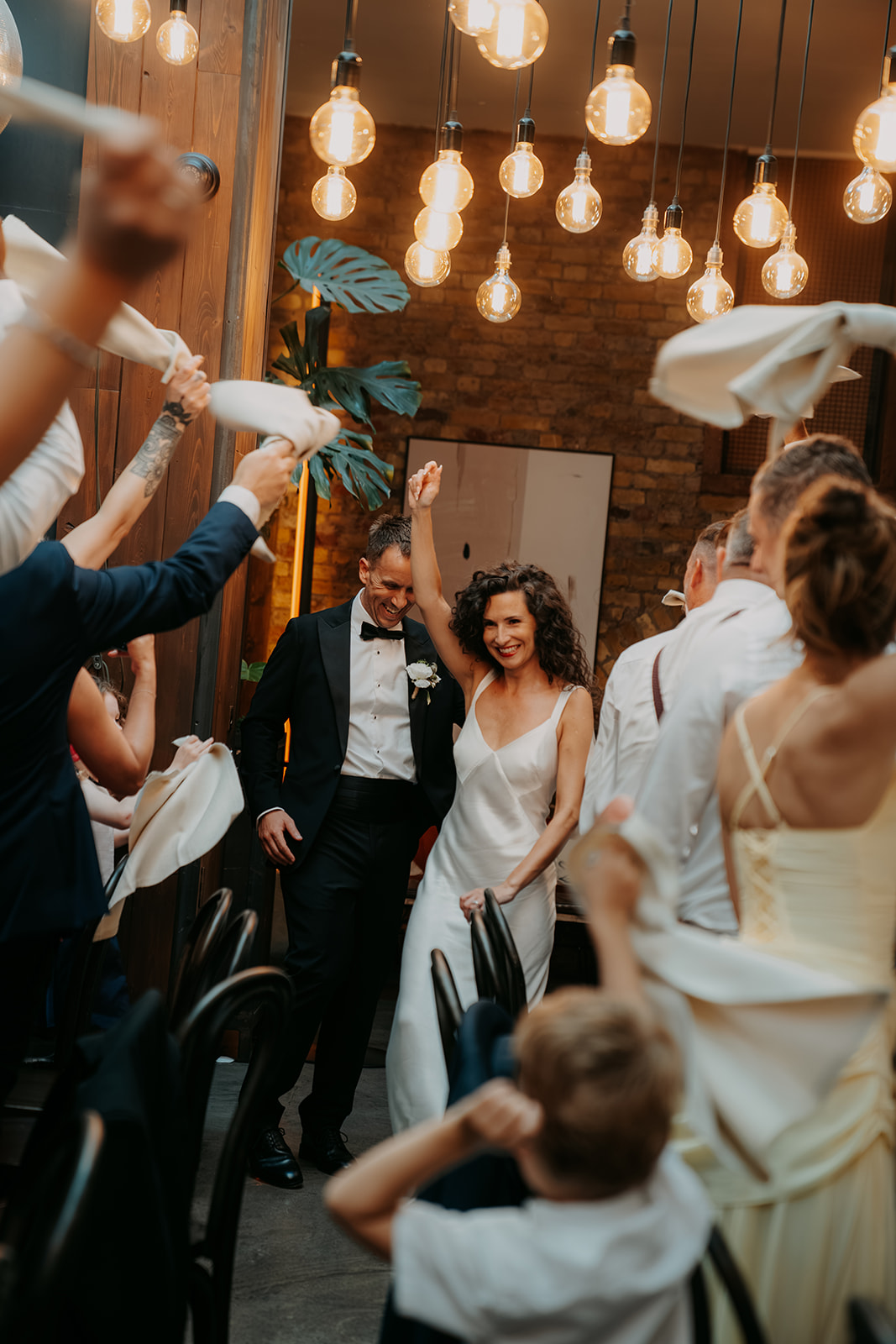
One couple called us on a Tuesday in January, newly engaged over Christmas, and asked if we could shoot their October wedding. Ten months away. We said yes - and it was one of the most beautifully organised weddings we filmed that year. The secret was not that they moved fast. It was that they moved in the right order.
A year feels short until you start with the right things.
Most couples who get in touch with us after a short engagement say the same thing: they spent the first few weeks feeling vaguely panicked, opening seventeen browser tabs, and not actually booking anything. That is the trap. Planning a wedding in under a year is entirely realistic, but the couples who pull it off well are the ones who resist the urge to do everything at once and instead identify the handful of decisions that genuinely unlock everything else.
Venue is the obvious one. Your venue dictates your date, your guest numbers, your catering options, and in many cases your supplier list. Until you have a venue confirmed, almost nothing else can be finalised. So if you're working with a timeline of ten or eleven months, that needs to happen in the first four to six weeks. Not shortlisted. Confirmed, with a deposit paid.
The second decision that couples underestimate is photography and film. Most working photographers and videographers book twelve to eighteen months ahead, and the best ones fill their calendars even earlier. If you're planning a wedding in under a year, you cannot treat this as something to sort out once the dress is sorted. It belongs in that first wave of bookings, alongside your venue and your registrar.
Everything else, the flowers, the cake, the favours, the exact shade of napkin, genuinely can wait. Not forever, but they are not the decisions that carry the rest of your planning with them. Knowing that distinction early is what separates a smooth short-engagement wedding from a stressful one.
What actually books out first and what doesn't.
Here is something that surprises a lot of couples: venues and photographers are not always the hardest things to find on a short timeline. The hardest things are often the suppliers with very small teams. A florist who does fifteen weddings a year. A string quartet with two players. A bespoke cake maker who works alone. These people can be booked solid well over a year out, and they are easy to forget until you're deep into planning.
Venues, on the other hand, often have cancellations. It's worth asking directly whether there are any dates available in your window, even at venues that feel like a stretch. Midweek dates and late autumn or early winter slots in particular tend to open up. If you have flexibility on the day of the week, a Thursday or Friday wedding in November can give you access to venues that would otherwise have been out of reach.
Photographers and videographers with associate models are also worth seeking out specifically if you're planning on a short timeline. A solo photographer might be fully booked for your date, but a company with a team of experienced shooters is far more likely to have someone available. The quality doesn't drop with that model; you're still getting a seasoned professional, just not a single person with a fixed diary.
The suppliers who are almost always available at shorter notice: hair and make-up artists (they often have more flexibility than people expect), DJs, toastmasters, and most stationers if you're open to digital or semi-custom designs. Use your energy on the ones with small capacity first, and let the more flexible suppliers come later.
A rough order of play for short-engagement couples.
There's no single right order, but having done this alongside hundreds of couples at this point, we'd suggest roughly the following when you're working with ten to twelve months:
- Months one and two: Set your budget, agree on rough guest numbers, and secure your venue and date. Register with your local register office or church as early as possible, since legal notice periods have their own fixed timelines that don't bend to your planning schedule.
- Months two and three: Book your photographer, videographer, and any specialist suppliers with small capacity (florist, cake, live music). This is also when to start dress shopping, since most made-to-order dresses need at least four to six months for production and alterations.
- Months three to five: Send save-the-dates, finalise your catering, and confirm your accommodation situation for guests who need it. If you're writing your own vows, give yourself more time than you think you need.
- Months five to eight: Invitations out, menu tasting done, hair and make-up artist confirmed. Start building your wedding day timeline in conversation with your venue coordinator and lead suppliers.
- Months eight to ten: Final dress fittings, seating plan, order of service, supplier confirmations. Share your timeline with everyone who needs it.
- Final four weeks: Confirm final guest numbers with caterers, brief your suppliers with any last details, and genuinely try to stop opening new browser tabs.
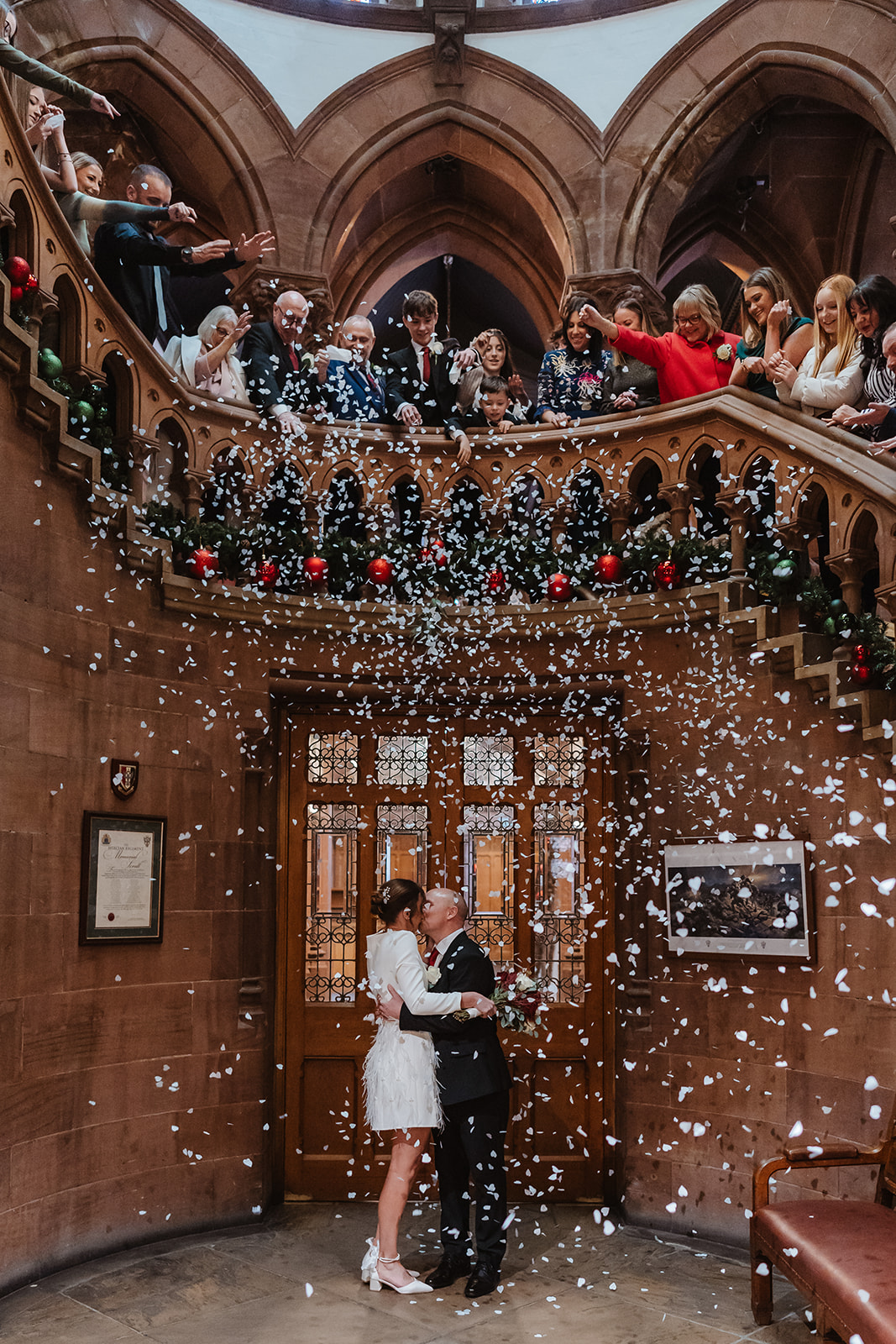
The couples who find this timeline stressful are usually the ones who try to do everything in parallel from day one. Work in waves instead, and the whole thing becomes much more manageable.
What you might need to let go of.
We'd rather be honest with you here than tell you everything is possible if you just plan well enough, because that's not quite true. A short engagement does come with trade-offs, and knowing what they are lets you decide which ones you're comfortable making.
Bespoke and made-to-order is where you'll feel the squeeze most. Couture dresses, custom stationery suites, hand-painted seating charts, furniture hired from specialist vintage companies: all of these have long lead times, and some simply won't be achievable. That doesn't mean your wedding won't look exactly how you want it. It means you might be choosing between a bespoke gown and a ready-to-wear one that you love just as much, or between a custom stationery suite and a beautifully printed semi-custom design.
Peak-season Saturdays in popular areas can be another sticking point. If your heart is set on a Saturday in June in a county like Norfolk, where coastal and countryside venues fill up fast, you may find the calendar genuinely thin. But if you can shift to a Friday, or look at late September or early October instead, the picture changes considerably. Some couples find that the flexibility forced on them by a short timeline leads them to a date and setting they love more than their original idea.
What you almost certainly won't have to compromise on: the quality of your suppliers, the warmth of the day, or the feeling of it. A twelve-month wedding is not a lesser wedding. Some of the most relaxed and joyful days we've photographed and filmed have been planned in under a year, partly because there was less time to overthink everything.
How to approach suppliers on a tight timeline.
When you're reaching out to suppliers with a short timeline, be upfront about it immediately. Don't bury the date at the end of a long enquiry email. Lead with it. Something like: "We're getting married in eight months and we know that's a shorter lead time than usual" is a perfectly good opening. It saves everyone time, and any supplier worth working with will either say yes enthusiastically or refer you to someone who can help.
Ask specifically whether they have your date available before you fall in love with their work. It sounds obvious, but a lot of couples spend weeks researching a florist or a photographer only to find they're fully booked, which is heartbreaking and avoidable. A quick email or DM before you go deep on their portfolio is worth it.
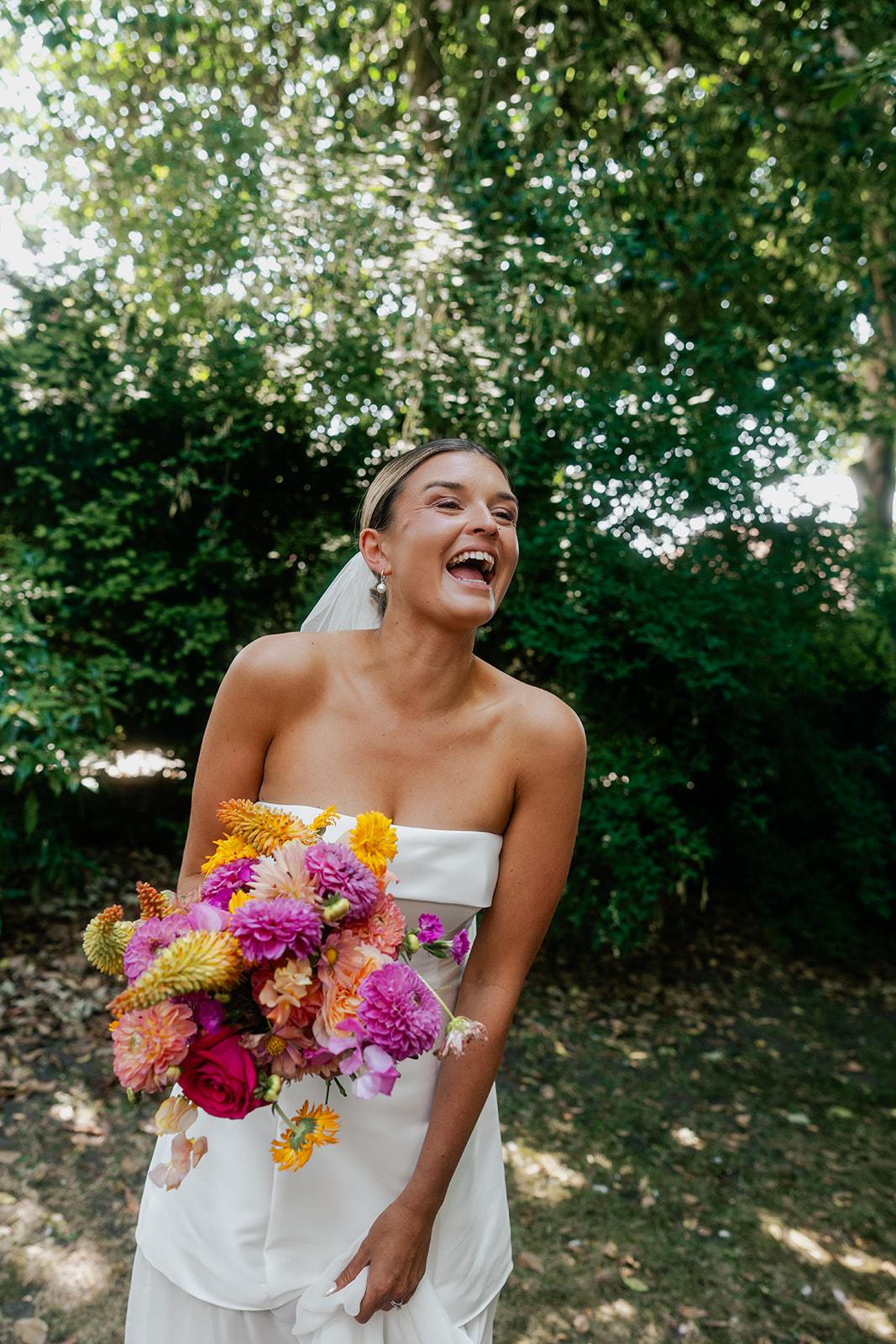
When it comes to photography and videography in particular, ask about the team structure. A company that works with a group of experienced associate photographers and filmmakers is your best friend on a short timeline. They're far more likely to have someone available for your specific date, and you're not compromising on experience or quality to get there. We've covered weddings across the UK with dates confirmed just a few months out, and those weddings look exactly like the ones planned two years in advance.
One practical note: if a supplier you love is unavailable for your date but offers a waiting list, it's worth going on it. Cancellations do happen, especially in the six-to-twelve-month window. We've seen couples land their first-choice venue, photographer, and florist through waiting lists alone. It's not a reliable strategy on its own, but it costs nothing to ask.
And if you're looking for a team to cover both your photography and film on a date that felt impossible to fill, we'd genuinely love to hear from you. We photograph and film weddings across the UK, and our associate model means we very often have availability where a solo photographer wouldn't.
Why short engagements can work in your favour.
There's a version of wedding planning where the engagement lasts two and a half years and every decision gets revisited seventeen times. Flowers are chosen, reconsidered, changed entirely, then changed back again. The seating plan goes through eleven drafts. By the time the day arrives, some couples are so exhausted by the planning that it takes them half the reception to actually arrive in the moment.
A shorter timeline doesn't allow for that kind of spiral. You make a decision, you move on, you trust it. There's something freeing about that, even if it doesn't feel that way at the start. The couples we've worked with who planned in under a year often describe the day itself as feeling more immediate, more present, less like the end of a long project and more like the beginning of something.
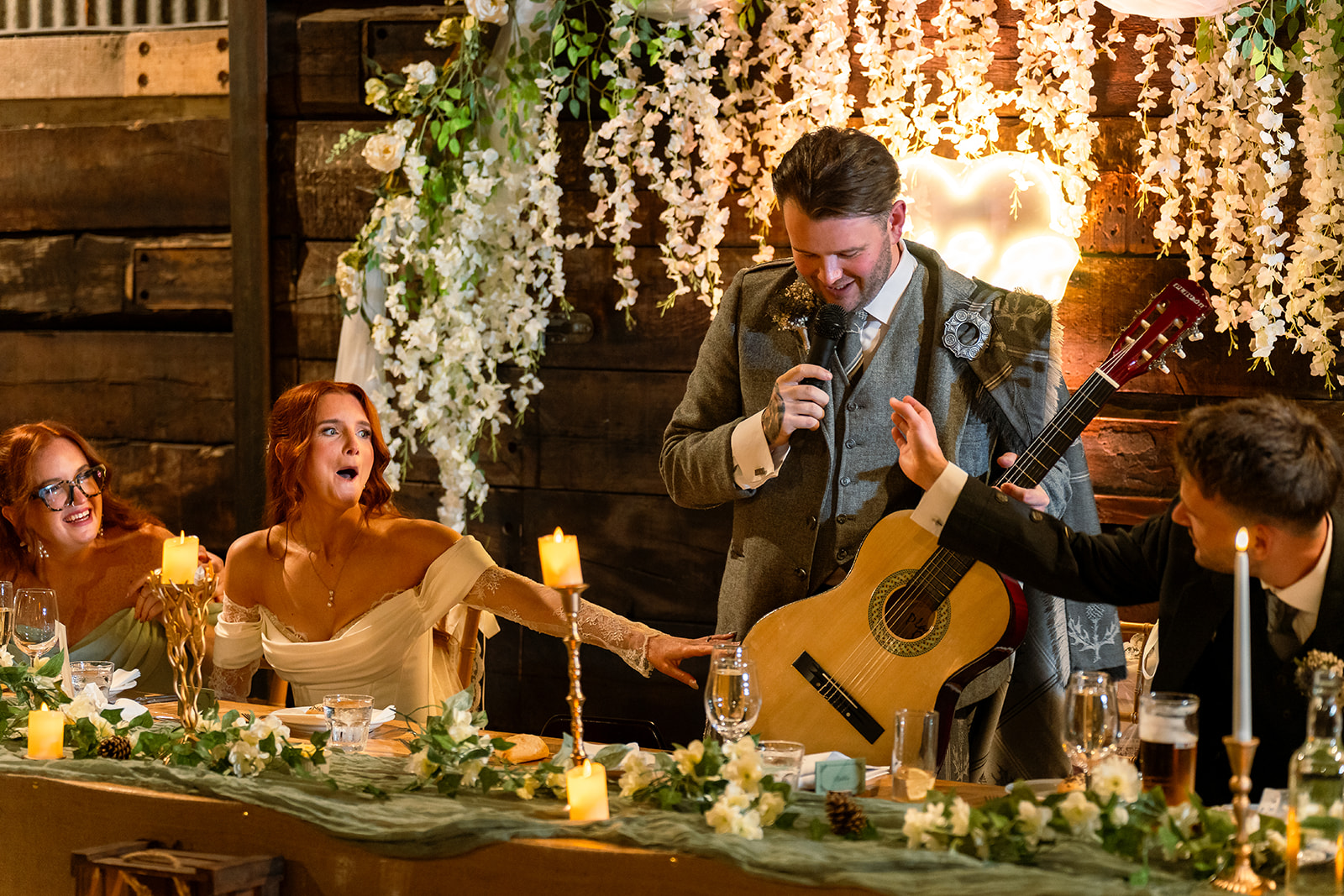
It also means 2027 is genuinely wide open. If you're reading this in late 2026 and you've just got engaged, you're not behind. You're actually in a good position, because 2027 availability across venues, photographers, and most other suppliers is still healthy. The couples who wait until spring to start looking are the ones who find the calendar thinning.
So is planning a wedding in under a year realistic? Yes, with some caveats. You'll need to move quickly on the things that matter most, stay flexible on the things that don't, and resist the urge to treat every decision as equally urgent. The couples who do that end up with weddings that feel personal and unhurried, which is everything you're planning towards anyway.
Quick wins
- BOOK VENUE FIRST: Your venue locks in your date, your numbers, and your catering. Nothing else can be finalised until it's confirmed, so make it your first deposit, not your fifth.
- PHOTOGRAPHERS FILL FAST: Photography and film should be in your first wave of bookings, not an afterthought. Look for teams with associate models if your date feels tight; they're far more likely to have availability.
- SMALL SUPPLIERS, BIG LEAD TIMES: Solo florists, bespoke cake makers, and live musicians often book out further in advance than venues do. Reach out to them before you finalise your stationery or your centrepieces.
- FLEXIBILITY PAYS OFF: A Friday or midweek date, or a late autumn slot, can open up venues and suppliers that would otherwise be fully booked. If your date is flexible, use that as a genuine advantage.
Frequently Asked Questions
Can you plan a wedding in under a year in the UK?
Yes, and many couples do it successfully. The key is booking your venue, registrar, and core suppliers (photographer, videographer, florist) within the first two to three months, and staying flexible on day-of-week and season if your preferred options are unavailable.
What is the minimum time needed to plan a UK wedding legally?
In England and Wales, you must give at least 28 days' notice to a register office before a civil ceremony. In Scotland the minimum notice is 29 days, and in Northern Ireland it's also a minimum of one month. Always check with your local registration service early, as some offices are busier than others and appointments book up.
Will I struggle to find a wedding photographer with less than a year's notice?
It depends on the photographer. Solo photographers who work alone often book out twelve to eighteen months ahead, but companies with teams of associate photographers are significantly more likely to have availability at shorter notice. It's always worth asking directly rather than assuming a date is gone.
Is 2027 still a good year to book a wedding?
As of late 2026, 2027 availability across venues, photographers, and most other suppliers is still in reasonably good shape, particularly for dates outside peak summer Saturdays. If you're newly engaged and considering a 2027 wedding, starting your bookings now puts you in a strong position.