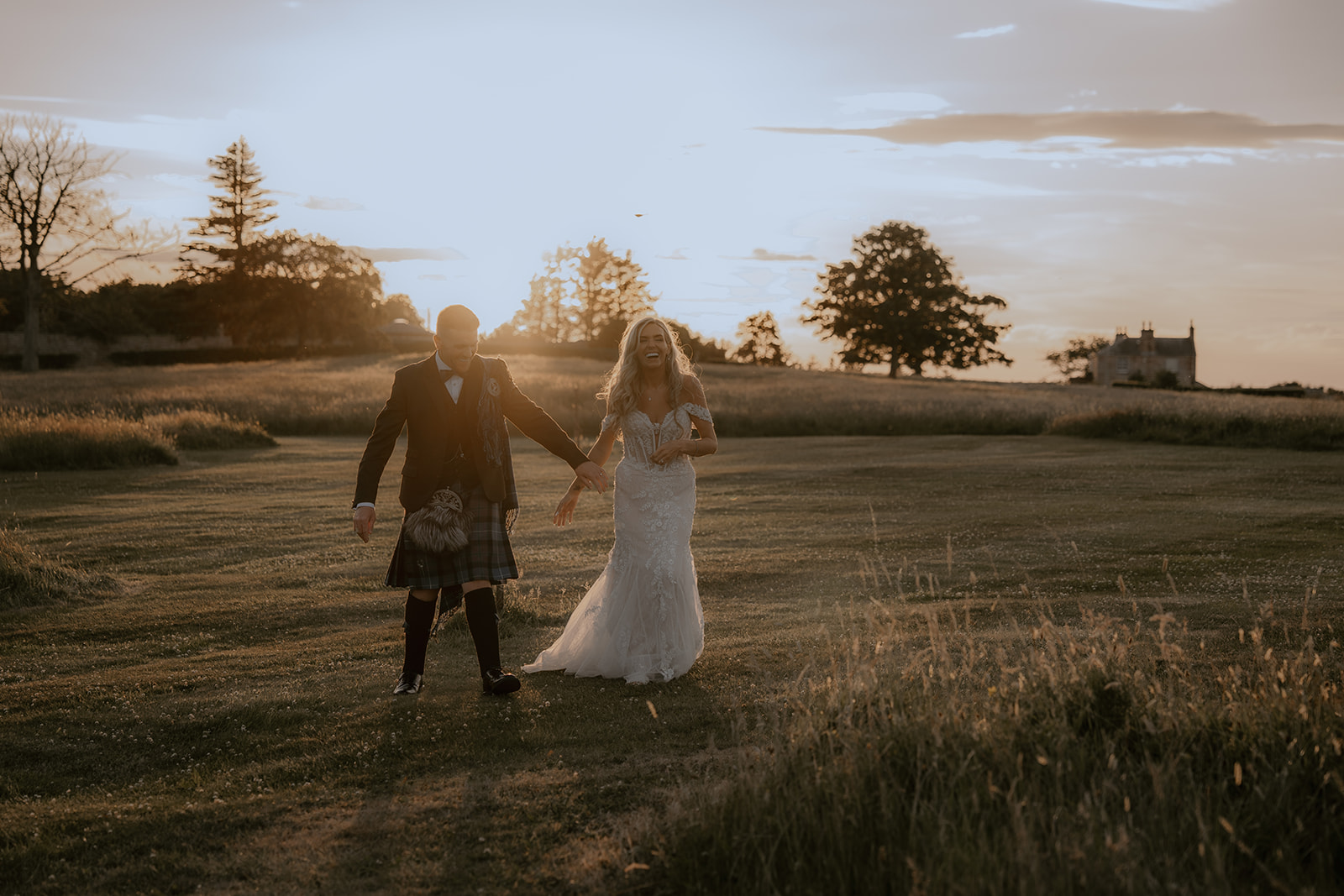
Taylor Swift turned up to a wedding at Real World Studios near Bath, and the internet lost its mind. Here's why the wedding itself - not the guest list - is the real lesson.
It wasn't the celebrity guests that made this wedding work.
When news broke that Taylor Swift, Sabrina Carpenter and Jack Antonoff had attended Oli Jacobs and Laura Sisk's wedding at Peter Gabriel's Real World Studios near Bath, the internet did what it does. Screenshots, threads, the works. But here's the thing that struck us: the wedding went viral not because it was grand or formal or dripping in spectacle. It went viral because it looked real. Intimate. Like a celebration that actually meant something to the people in the room.
Real World Studios is a recording studio and event space with a creative, music-industry soul. It's not a country house with a chandelier ballroom. It's not trying to impress anyone. And that, honestly, is exactly why it worked as a wedding backdrop. The setting matched the couple. The guest list matched the couple. The whole thing had a coherence to it that you can't manufacture by picking a more impressive postcode.
What we take from it - and what we'd say to any couple planning a wedding right now - is this: the most resonant weddings we photograph and film are almost never the biggest ones. They're the ones where every room feels full of people who genuinely want to be there, and where the venue feels like it was chosen because it means something, not because it photographs well from the car park.
The celebrity angle got the clicks. But the lesson underneath is one that applies to any couple, anywhere in the UK, at any budget.
Why smaller guest lists change everything about a wedding.
There's a pressure in wedding planning that nobody really talks about openly: the fear of cutting the list. Couples agonise over it. Every name removed feels like a small act of rejection, and before you know it you've got 140 people in a room and you've spent the whole day saying hello and goodbye rather than actually being present with anyone.
Intimate weddings sidestep that entirely. When you're celebrating with 40, 60, maybe 80 people who are genuinely close to you, the energy in the room is completely different. There's no awkward table of people who barely know anyone else. There's no corner of the reception that feels like a separate party. Everyone is folded into the same warmth, and it shows in every single frame.
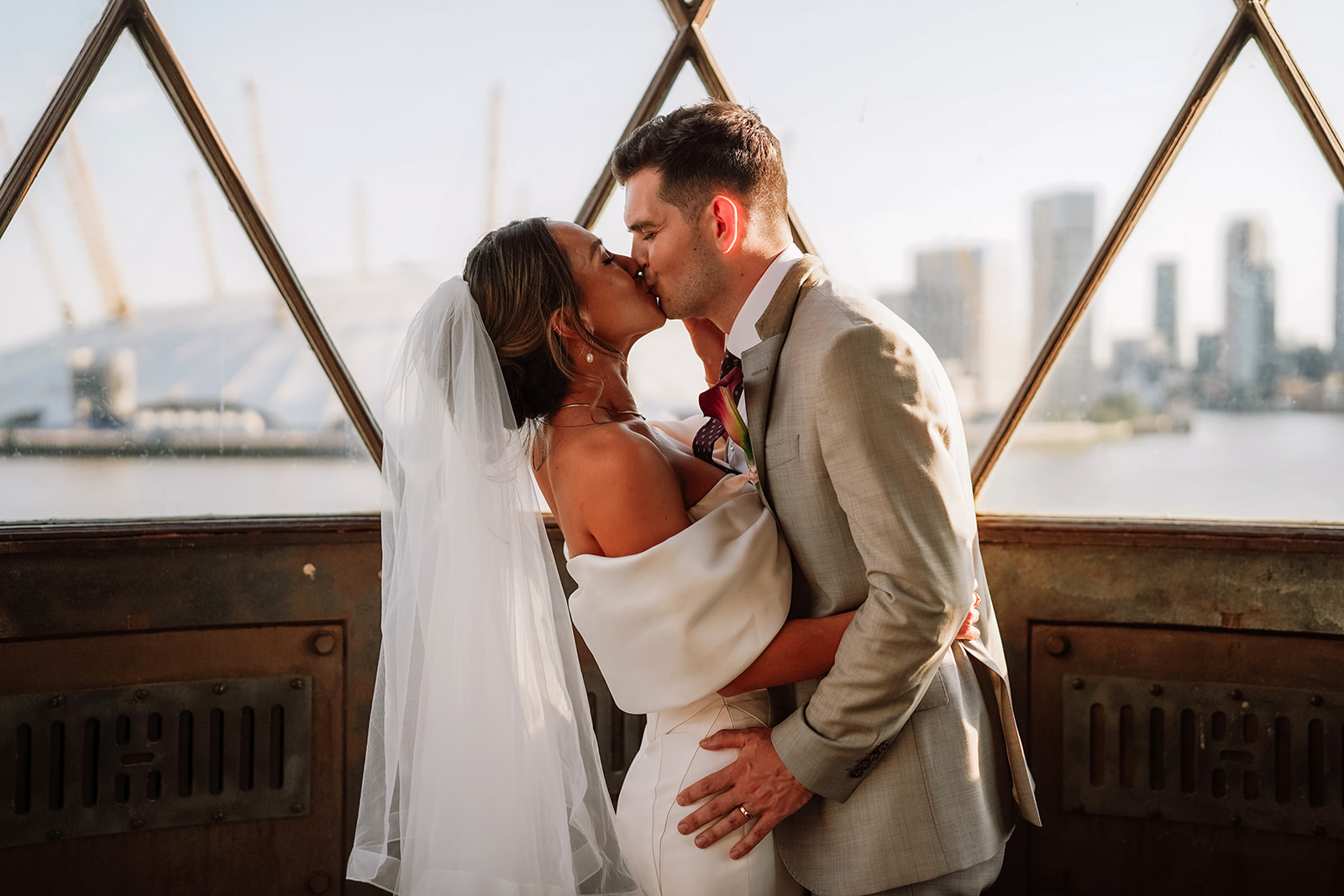
From behind the lens, the difference is striking. Smaller weddings mean more candid moments, more genuine reactions, more of those unguarded exchanges between people who love each other and haven't seen each other in months. Speeches land differently. The first dance has a different quality when the dance floor is surrounded by people who actually care, rather than distant colleagues politely watching from their seats.
A few things we've noticed about intimate weddings that genuinely change the feel of the day:
- Conversations run deeper. Couples at smaller weddings actually remember talking to their guests, not just seeing them.
- The atmosphere builds faster. A room of 50 people who love you is louder and warmer than 150 people who are still finding their seats.
- The timeline breathes. Less logistics, fewer moving parts, more time for the moments that matter.
- The photography reflects it. Genuine reactions photograph so much better than politely performed ones.
Cutting your list isn't a compromise. For a lot of couples, it's the best decision they make in the whole planning process.
Choosing a venue with a soul not just a pretty ceiling.
Real World Studios works as a wedding venue because it has a genuine identity. Peter Gabriel built it. Musicians have recorded there. It carries stories in its walls. That kind of place doesn't need to try hard to feel special because it already is, for reasons that have nothing to do with weddings.
This is a thread we keep pulling at with couples who are venue-hunting. The most interesting wedding locations we've worked in across the UK aren't always the most polished. A working farm in the Lake District with a converted barn. A literary estate in Wales where the library doubles as a ceremony space. A Victorian mill that still smells faintly of its own history. These places have texture. They give a wedding something to lean against.
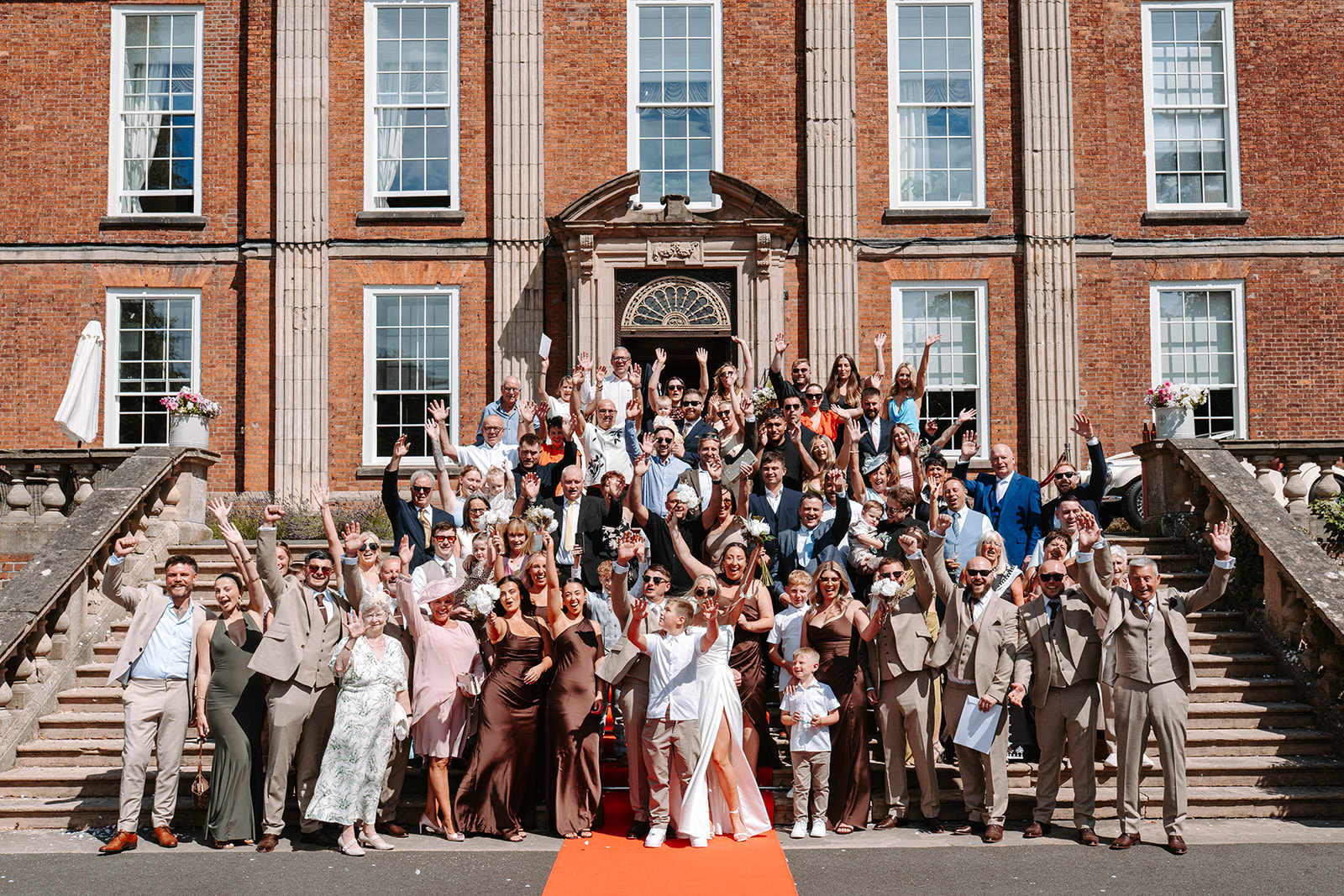
Compare that to the kind of venue that exists purely for weddings: the beige carpet, the interchangeable draping, the room that could be anyone's wedding on any given Saturday. Nothing wrong with it, functionally. But it doesn't give you much to work with, and it doesn't tell your guests anything about who you are as a couple.
When you're choosing a venue, it's worth asking yourself: does this place have a story before we arrived? Does it reflect something about us, or are we just filling it with our stuff? The best venue for your wedding is the one that would make sense to anyone who knows you well. Not the one with the best brochure photography.
And practically speaking: venues with character tend to give photographers and videographers far more to work with. Natural light, interesting architecture, outdoor spaces that don't look like a hotel car park. The setting does half the work before we've even arrived.
The guest list is part of the design.
Here's something the Oli and Laura wedding made very clear: when the guest list itself becomes the talking point, you've done something right. Not because of who was there (though yes, obviously, Taylor Swift), but because the people in that room clearly belonged there. They were connected to the couple in real, meaningful ways. The room had a logic to it.
Most couples think about their guest list as a logistics problem. Who do we have to invite? Who can we get away with not inviting? It's treated as a constraint rather than a creative decision. But the guest list is actually one of the most powerful design choices you have. The people you invite set the tone of the entire day.
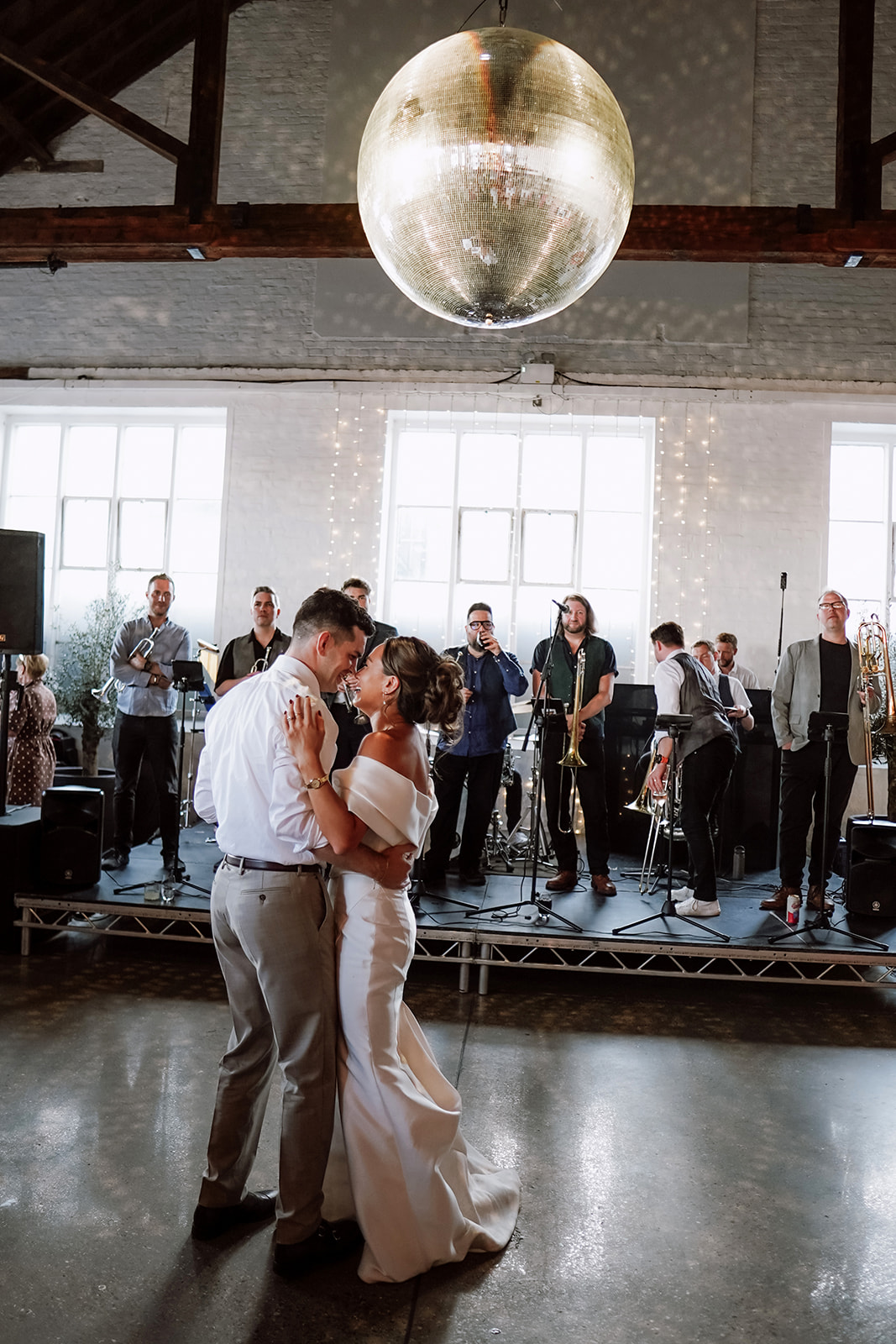
A room full of people who genuinely love you creates a specific kind of atmosphere that no amount of florals or lighting can replicate. The speeches are funnier. The dancing starts earlier. The moments of genuine emotion, the ones that make a wedding feel like a wedding rather than an event, happen more freely when everyone in the room is a real part of your life.
Some questions worth sitting with as you build your list:
- Would this person be able to tell a story about us, off the cuff, at the dinner table?
- Are we inviting them because we want them there, or because it would be awkward not to?
- Does including them change the feel of the room in a way we'd actually notice?
Nobody tells you this clearly enough during planning: a smaller, more considered guest list isn't a budget decision. It's a hospitality decision. It's choosing depth over coverage, and the couples who make that choice almost always say, afterwards, that it was the right one.
We cover both photography and film at weddings across the UK, and the days we come back from feeling like we've genuinely done something worthwhile are almost always the intimate ones, where the room was full of people who couldn't stop looking at each other.
Let the venue tell you what kind of wedding to have.
One detail about the Real World Studios wedding that got less attention than it deserved: the setting is a music studio. Of course the atmosphere was going to be music-led. Of course the people in the room were going to be connected through sound and creativity. The venue wasn't just a backdrop; it was actively shaping the kind of celebration that could happen inside it.
This is something we think about a lot. The best weddings we've been part of have a coherence between the setting and the celebration. A coastal venue in Cornwall lends itself to a relaxed, barefoot kind of day. A grand Victorian townhouse in Edinburgh calls for something with a bit more formality and theatre. A working studio near Bath, surrounded by music industry people, is going to produce something raw and joyful and a bit unpredictable.
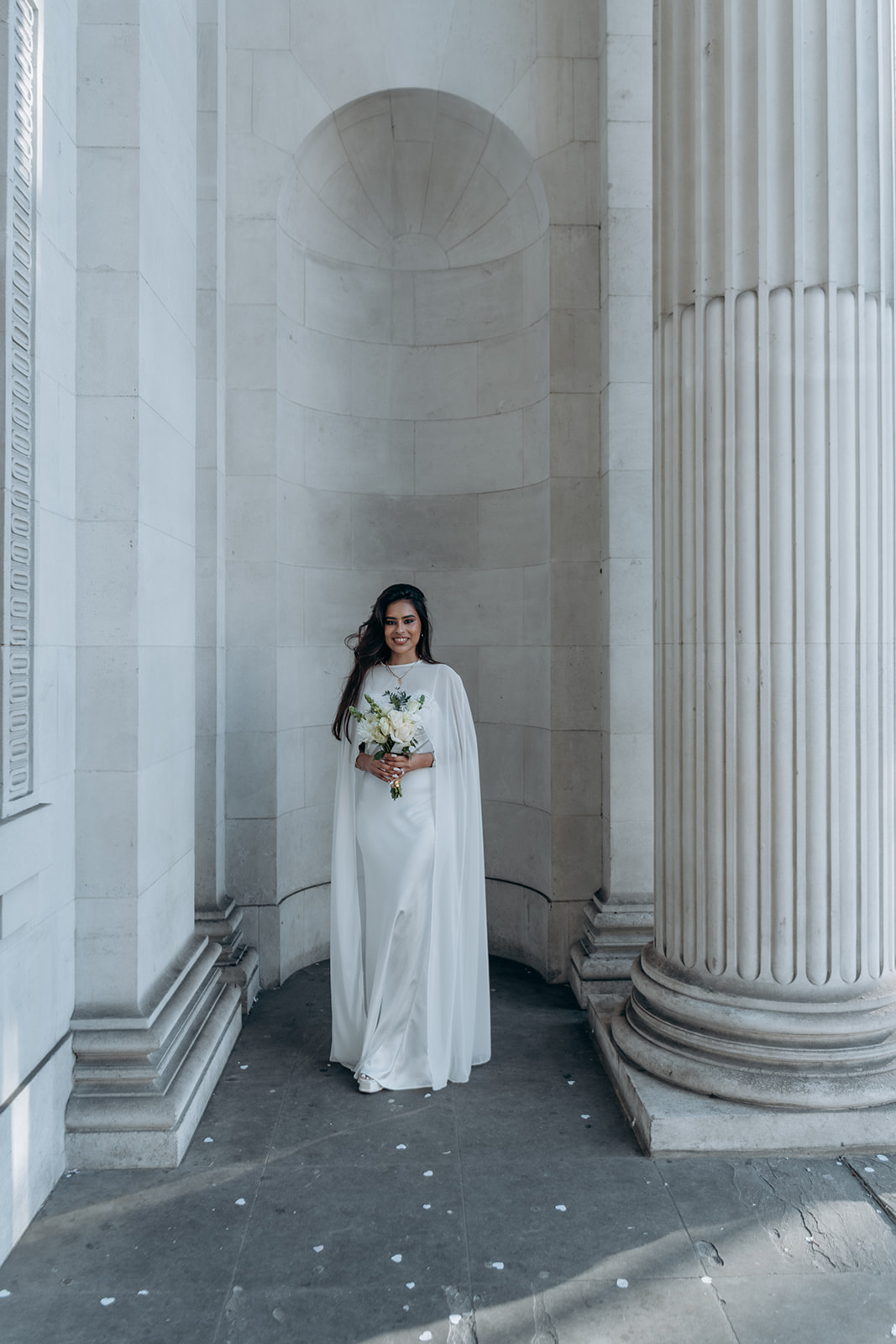
Couples who fight against their venue's natural character often end up with a day that feels slightly at odds with itself. The ones who lean into it, who let the space inform the music choices, the catering style, the order of the day, tend to end up with something that feels cohesive and genuinely theirs.
Practically, this means: visit your venue more than once before you book. Go at different times of day. Think about how the light changes, how the sound moves through the space, what the room wants to be. The best decisions in wedding planning often come from listening to the venue rather than imposing something onto it.
And if your venue has a genuine story, use it. Reference it in your ceremony. Let it inform your music choices. The guests will feel the coherence, even if they can't quite articulate why the day felt so right.
What any couple can actually do with all of this.
The Oli and Laura wedding resonated so widely because it tapped into something a lot of couples are quietly craving: a wedding that feels personal rather than performed. The celebrity guests made it news. But the intimacy, the creative venue, the sense that every person in that room was supposed to be there, is what made it genuinely aspirational.
None of that requires a recording studio or a surprise pop star. It requires intention. Choosing a venue because it means something rather than because it ticks boxes. Building a guest list around people who actually know you. Designing a day that reflects who you are as a couple, rather than what a wedding is supposed to look like.
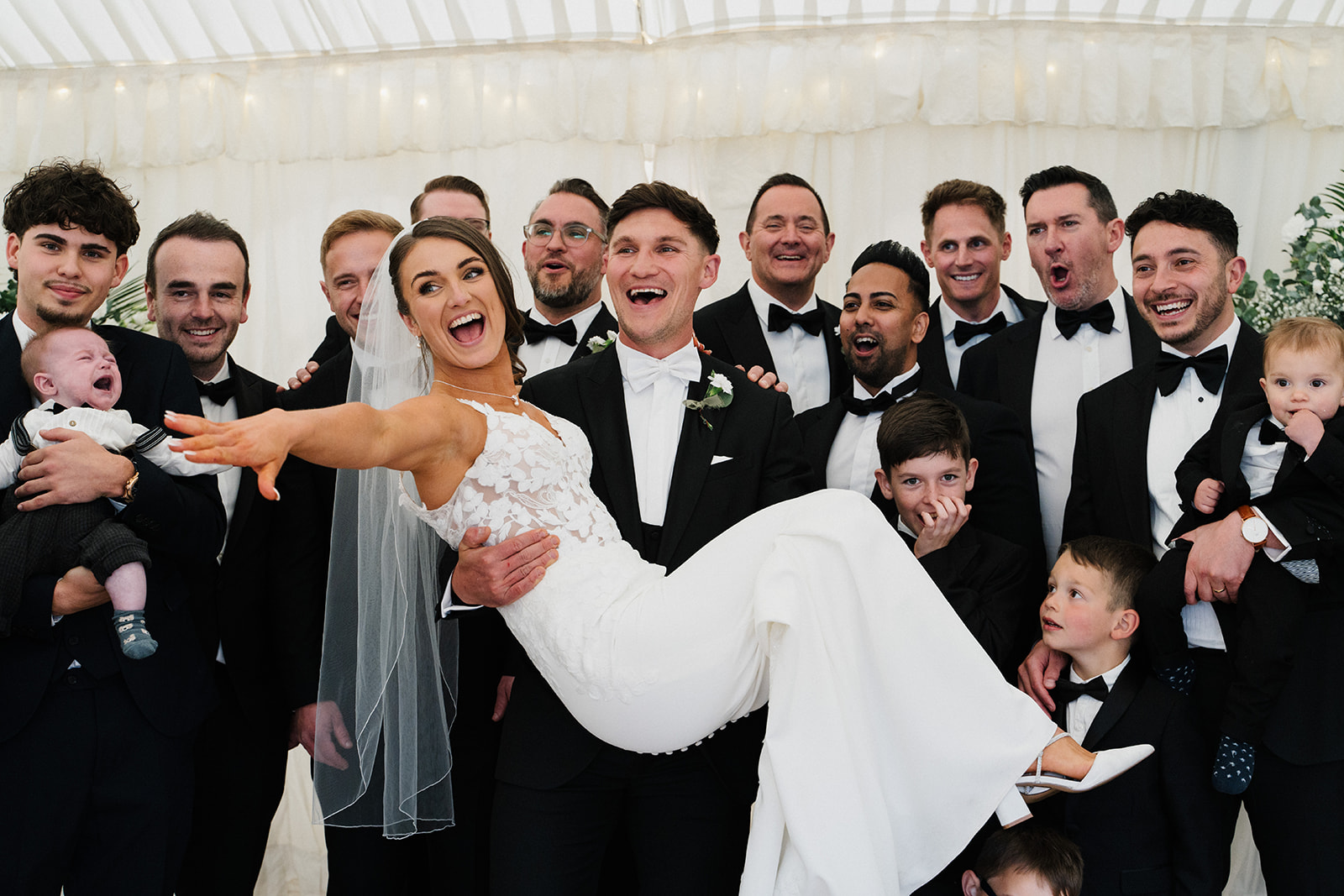
The couples who approach planning this way, and we've worked with enough of them to say this with some confidence, tend to be the ones who actually enjoy their wedding day rather than endure it. They're present. They're relaxed. They're not managing a performance; they're just celebrating with the people they love most.
A few genuinely useful things to take away from all of this:
- Resist the headcount pressure. A smaller, more intentional guest list almost always produces a better day.
- Choose venues with their own identity. The setting should tell your guests something about you before the ceremony even starts.
- Think about coherence. Do the venue, the vibe, the guest list, and the music all make sense together?
- Protect the unscheduled moments. The best memories from any wedding are rarely the ones on the timeline.
Taylor Swift turning up to a wedding near Bath was always going to be a story. But the wedding underneath the story is a genuinely good one, and the reasons it worked are available to any couple who's willing to prioritise feeling over spectacle.
If you're planning something intimate and personal and you'd like someone to document it properly, we'd love to hear about your day.
Quick wins
- GUEST LIST: A smaller, more considered guest list changes the entire atmosphere of a wedding. Prioritise depth of connection over breadth of coverage.
- VENUE IDENTITY: Choose a venue that has its own story before you arrive. Places with genuine character give your wedding something to lean against.
- COHERENCE: The best weddings have a logic to them: the setting, the people, the music, and the mood all make sense together. Design for coherence, not just aesthetics.
- PRESENCE OVER SPECTACLE: The most memorable wedding moments are almost never the most elaborate ones. Protect space in your day for things that can't be scheduled.
Frequently Asked Questions
What makes an intimate wedding different from a small wedding?
Size is part of it, but intimacy is really about intention. An intimate wedding is one where every guest is genuinely connected to the couple, the venue reflects their personality, and the day is designed around depth of experience rather than scale. You can have 80 guests and still have an intimate wedding if the room is full of the right people.
How do we choose a wedding venue that has genuine character?
Look for venues with a life outside of weddings: working estates, creative spaces, historic buildings, places that carry their own stories. Visit more than once, at different times of day, and ask yourself whether the space reflects something true about you as a couple. If the honest answer is no, keep looking.
Is an intimate wedding harder to photograph and film?
The opposite, usually. Smaller guest lists mean more genuine reactions, more candid moments, and a room that's easier to move through quietly. The emotional density in an intimate wedding tends to produce richer, more personal imagery than a large formal reception.
How do we handle the pressure to invite more people than we actually want?
This is one of the most common planning pressures couples face, and it's worth having a frank conversation early about who the wedding is actually for. A useful frame: if you wouldn't spend a full evening with someone in normal life, inviting them to your wedding is unlikely to improve that relationship, and it will change the feel of your day.